

DOT Drug Testing Services for CDL Drivers
DOT drug testing is a federally required program designed to maintain safety across the commercial transportation industry. Drivers who operate commercial motor vehicles must follow strict drug testing regulations established by the Federal Motor Carrier Safety Administration (FMCSA). These rules ensure that drivers are alert, responsible, and medically fit to operate large commercial vehicles on public roadways.
At Texas DOT Physicals LLC, we provide professional DOT drug testing services for CDL drivers, owner-operators, and transportation companies. Our clinic follows all federal guidelines to ensure accurate and compliant testing while providing a fast and convenient experience for drivers.
Drug testing programs help prevent impaired driving, reduce accidents, and protect both drivers and the general public. For transportation companies, maintaining compliance with DOT drug testing regulations is essential for maintaining operating authority and avoiding federal penalties.


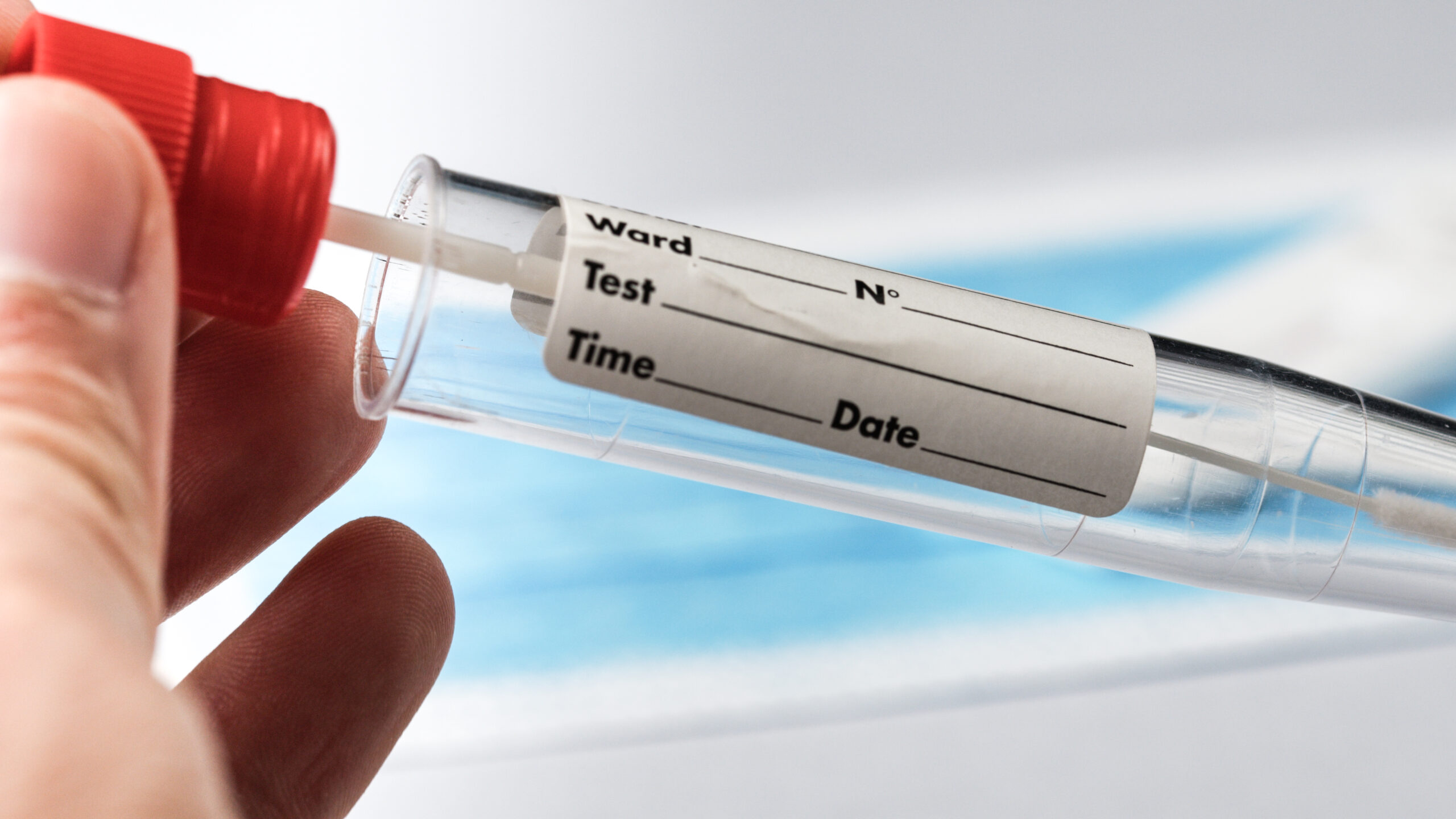

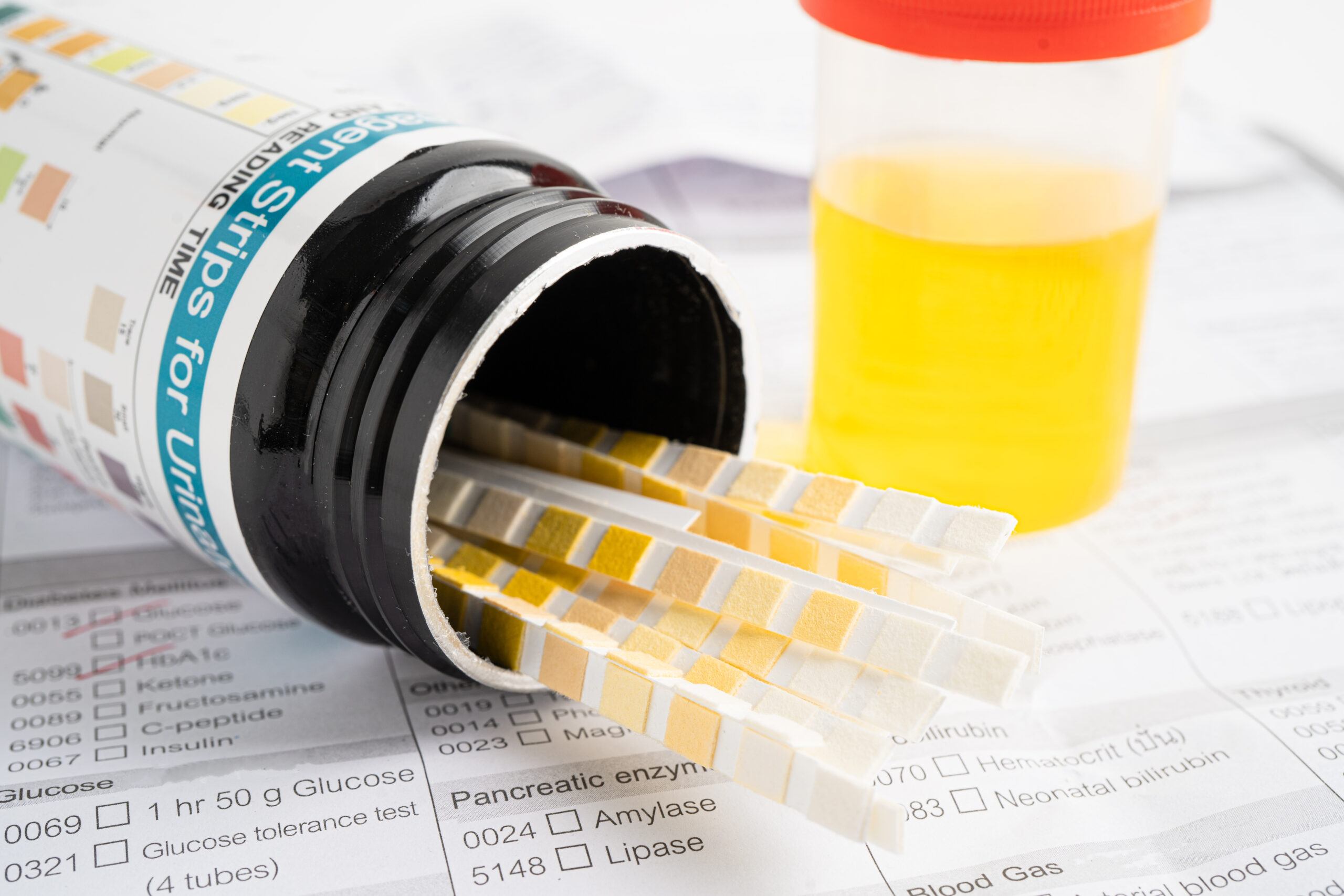
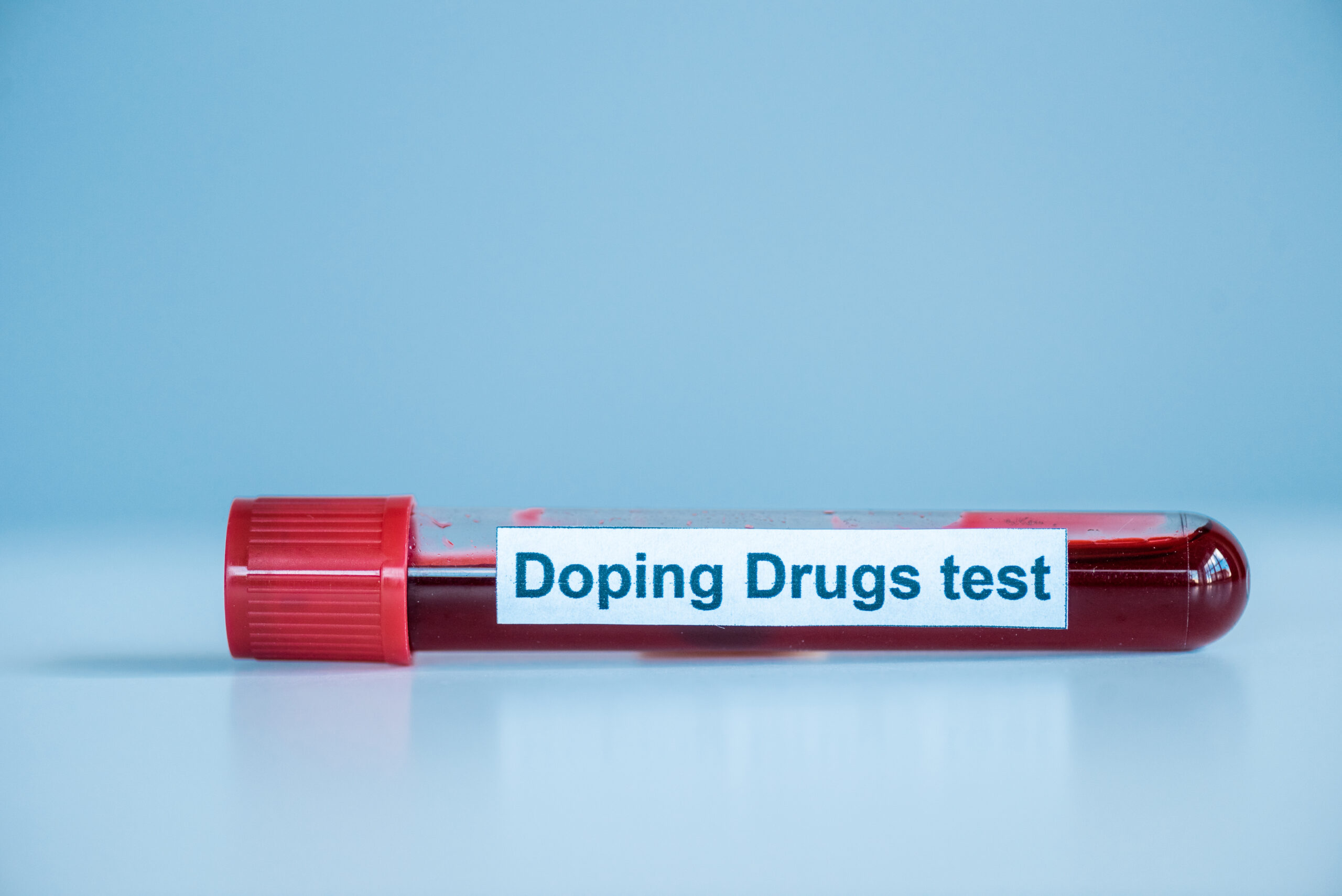
What Is DOT Drug Testing?
DOT drug testing is a federally regulated drug screening program that applies to safety-sensitive employees within the transportation industry. These employees include commercial truck drivers, bus drivers, and other individuals who operate vehicles requiring a commercial driver’s license (CDL).
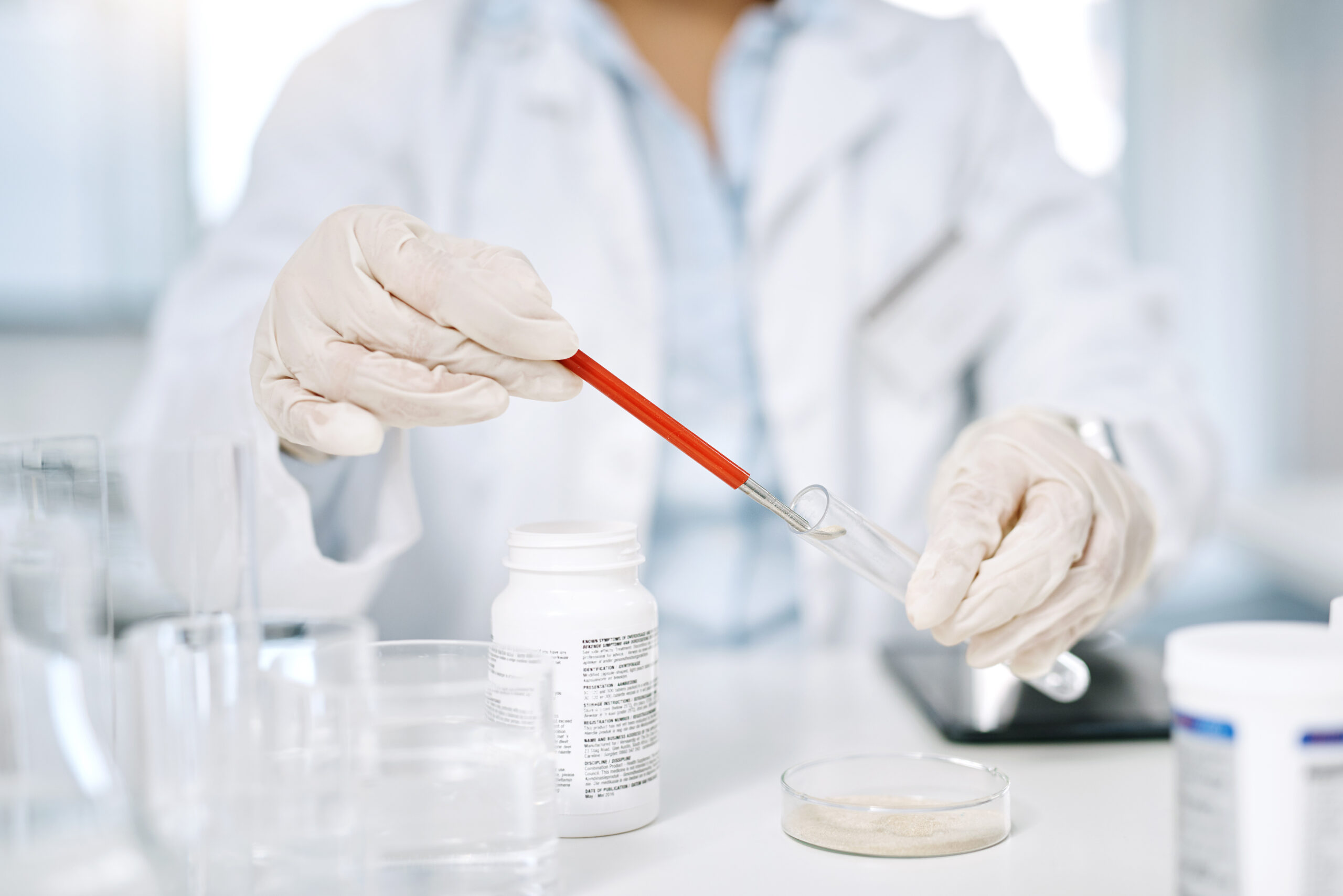
Unlike standard workplace drug testing, DOT drug testing follows very specific federal procedures. The testing process must be performed at certified collection sites, samples must be analyzed by federally approved laboratories, and results must be reviewed by a Medical Review Officer (MRO).
The purpose of this structured process is to ensure that testing is accurate, fair, and compliant with federal transportation safety standards.
Who Is Required to Take DOT Drug Tests?
Drivers who operate commercial vehicles requiring a CDL are typically subject to DOT drug testing regulations. This includes drivers who operate vehicles weighing more than 26,001 pounds, transport hazardous materials, or carry a large number of passengers.
In addition to drivers, certain safety-sensitive transportation employees may also be subject to DOT drug testing depending on their role within a transportation company.
Drivers Required to Participate in DOT Drug Testing
- Commercial truck drivers (CDL holders)
- Bus drivers transporting passengers
- Hazardous materials transportation drivers
- Drivers operating interstate commercial vehicles
- Owner-operators working under DOT authority
If a driver is employed by a transportation company regulated by the Department of Transportation, participation in the company’s drug testing program is mandatory.
Types of DOT Drug Testing
DOT regulations require several different types of drug testing depending on employment status and specific circumstances. Each type of test serves an important role in maintaining safety throughout the transportation industry.
Pre-Employment Drug Testing
Before a driver can begin working for a DOT regulated company, they must pass a pre-employment drug test. This test ensures that the driver is not currently using prohibited substances before operating commercial vehicles.
Employers must receive a negative drug test result before allowing a driver to perform safety-sensitive functions such as driving or operating commercial vehicles.
Random DOT Drug Testing
Random drug testing is one of the most important components of DOT drug testing programs. Drivers are randomly selected throughout the year for testing without prior notice. The selection process must be scientifically random to ensure fairness.
Random testing helps deter substance abuse by ensuring that drivers understand they may be tested at any time during their employment.
Post-Accident Drug Testing
In certain accident situations, DOT regulations require drivers to undergo drug and alcohol testing immediately after the incident. This testing helps determine whether substance use played a role in the accident.
Employers must ensure post-accident testing occurs as soon as possible after the accident to maintain compliance with federal regulations.
Reasonable Suspicion Drug Testing
If a supervisor or trained employer representative believes that a driver may be under the influence of drugs, the driver may be required to complete a reasonable suspicion drug test. This decision must be based on specific, observable behavior or physical signs of impairment.
Return-to-Duty Drug Testing
Drivers who violate DOT drug testing regulations must complete a return-to-duty process before they can resume safety-sensitive duties. This process includes evaluation by a Substance Abuse Professional and a negative return-to-duty drug test.
Follow-Up Drug Testing
After returning to duty, drivers may be required to complete a series of follow-up drug tests over a specified period of time to ensure continued compliance with DOT regulations.

Substances Tested in DOT Drug Screening
DOT drug testing screens for five categories of controlled substances that may impair a driver’s ability to operate a commercial vehicle safely.
- Marijuana (THC)
- Cocaine
- Amphetamines and methamphetamines
- Opioids including heroin and prescription pain medications
- Phencyclidine (PCP)
Testing laboratories use advanced technology to detect these substances in urine samples with high levels of accuracy.
DOT Drug Testing Process
The DOT drug testing process follows strict federal procedures designed to maintain accuracy and fairness throughout the testing process.
Step 1: Sample Collection
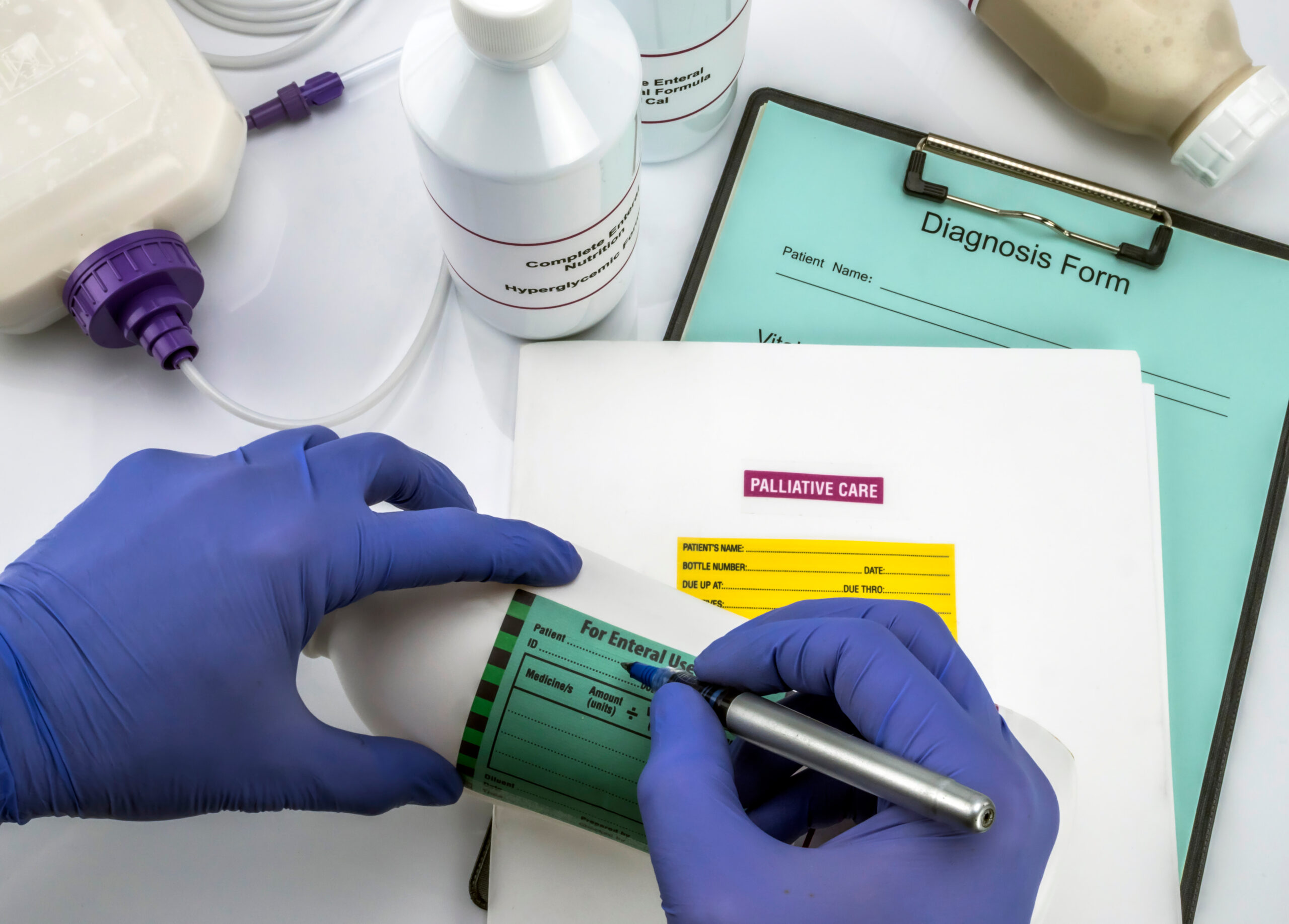
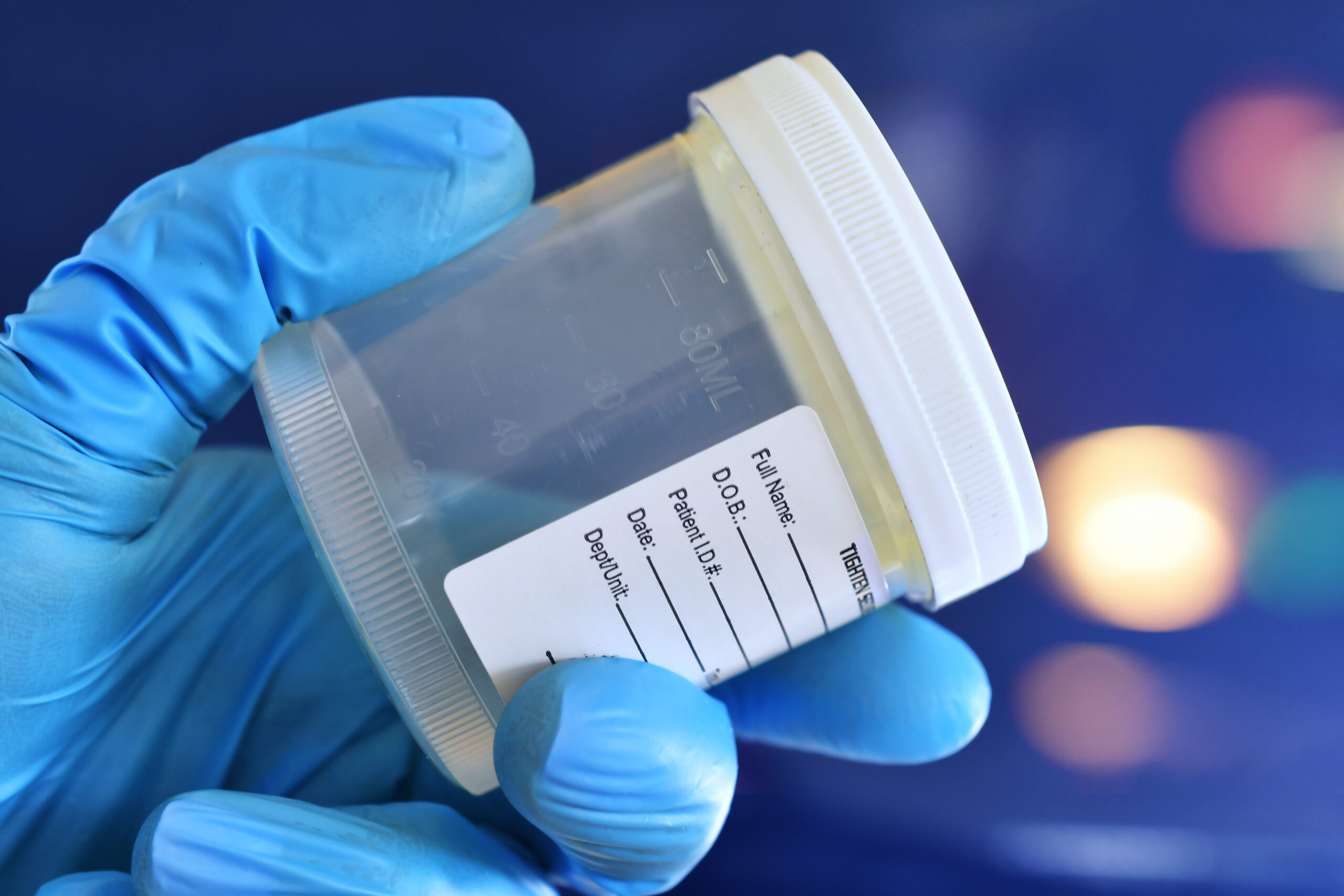
The driver provides a urine sample at a certified DOT collection site. The sample is collected following chain-of-custody procedures that ensure the integrity of the sample.
Step 2: Laboratory Analysis
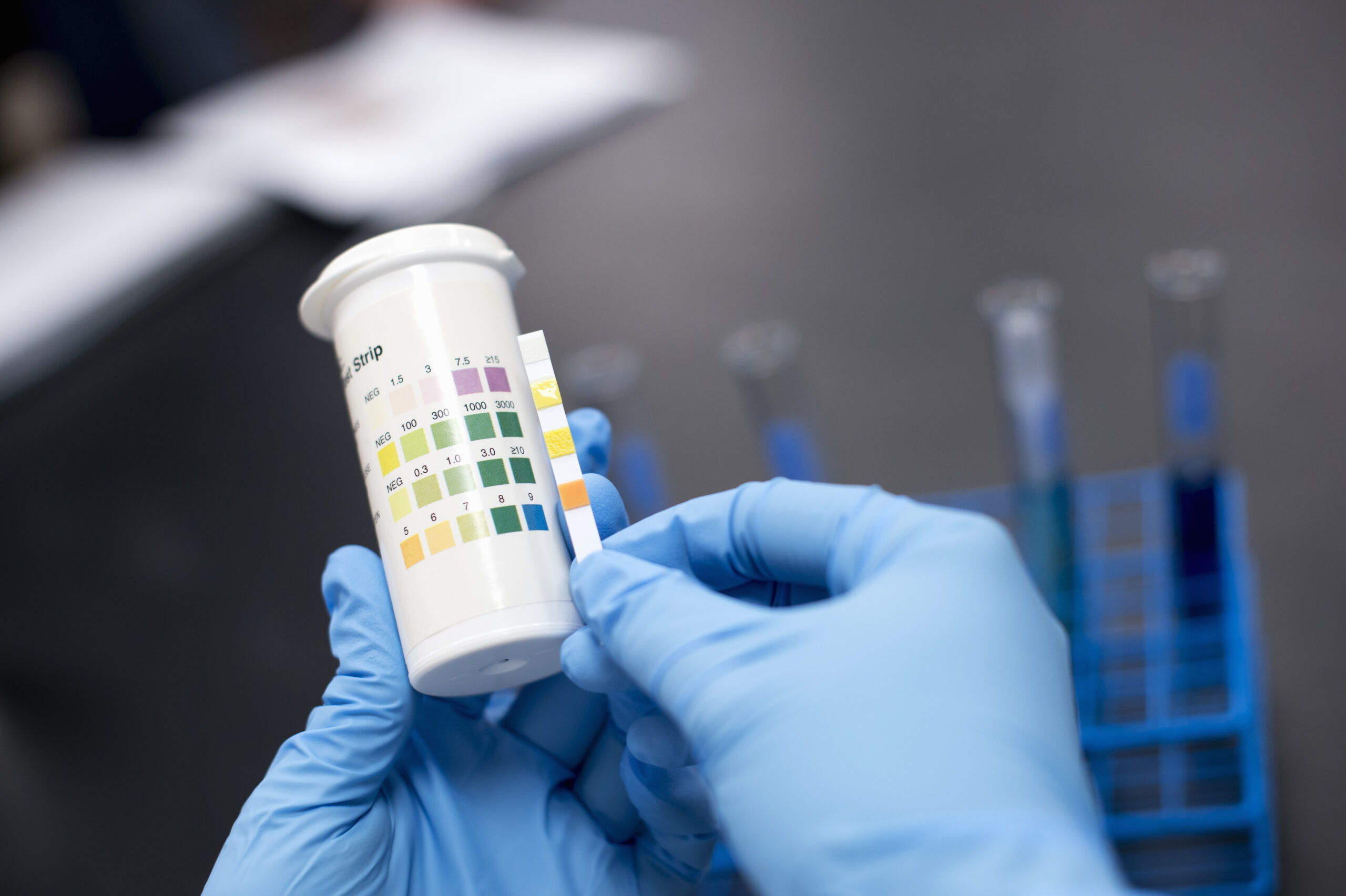
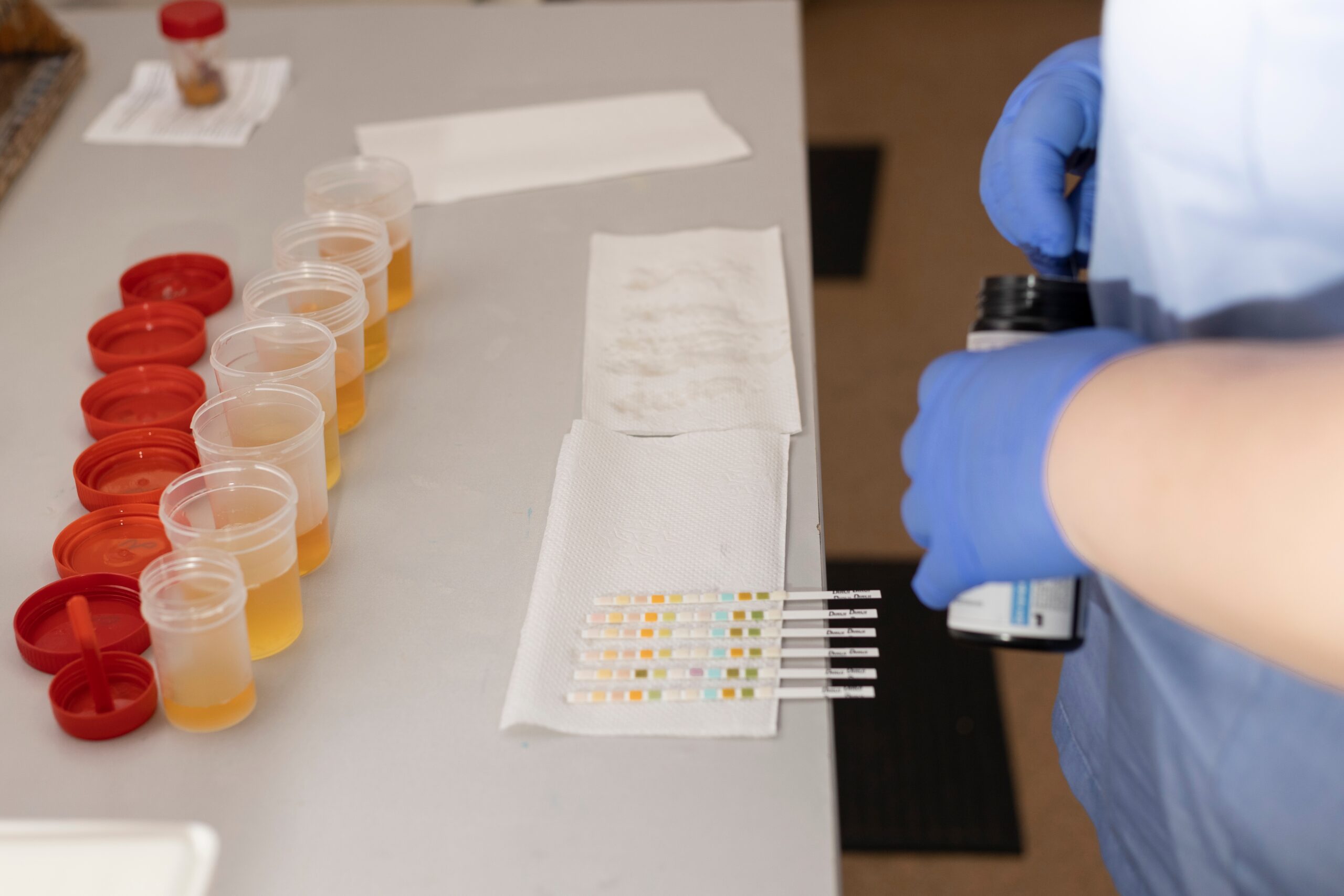
The sample is sent to a federally certified laboratory where it is tested using advanced screening techniques to detect controlled substances.
Step 3: Medical Review Officer Evaluation
If a test result is positive, a Medical Review Officer reviews the result and contacts the driver to determine whether a legitimate medical explanation exists for the result.
Step 4: Final Result Reporting
Once the Medical Review Officer verifies the results, the final report is sent to the employer or requesting agency.
Why DOT Drug Testing Compliance Is Important
Compliance with DOT drug testing regulations protects drivers, employers, and the public. Impaired driving can lead to serious accidents, injuries, and fatalities. Drug testing programs help reduce these risks by ensuring drivers remain sober and responsible while operating commercial vehicles.
Employers who fail to follow DOT drug testing requirements may face significant fines, legal liability, and loss of operating authority. Maintaining a compliant drug testing program is therefore essential for transportation companies.
Why Choose Texas DOT Physicals LLC for DOT Drug Testing?
At Texas DOT Physicals LLC, we specialize in DOT compliance services for commercial drivers and transportation companies. Our team understands the regulatory requirements involved in DOT drug testing and provides efficient testing services designed for busy drivers.
- Certified DOT drug testing procedures
- Fast and accurate test results
- Convenient testing for drivers
- Professional and confidential testing process
- Compliance with FMCSA regulations
Whether you are an individual CDL driver or a fleet operator managing multiple drivers, our clinic can provide reliable DOT drug testing services to keep you compliant with federal regulations.
Schedule Your DOT Drug Test Today
If you need a DOT drug test for employment, compliance, or random testing requirements, Texas DOT Physicals LLC provides fast and professional service. Our clinic works with individual drivers, trucking companies, and transportation organizations to provide dependable DOT drug testing services.
Visit our homepage to learn more about our services or stop by our clinic for quick and reliable DOT drug testing today.
Drivers must be able to perceive what is known as a “forced whisper” at a distance of 5ft or more, with or without a hearing aid. This standard equates to an average hearing loss in the better ear of less than 40 dB.
Drivers are required to have at least 20/40 acuity in each eye with or without correction. They are also required to have at least 70” peripheral in the horizontal meridian, measured in each eye.
The certified medical examiner will check the driver’s blood pressure and pulse to look for high blood pressure and irregular heartbeats.
49 CFR 391.43(f)
An individual whose BP is less than 140/90 and it’s on antihypertensive medications may be certified for one year. An individual diagnosed with Stage 1 hypertension (BP is 140/90 – 159/99) may be certified for one year. At recertification, an individual with a BP less than or equal to 140/90 may be certified for one year; however, if his or her blood pressure is greater than 140/90 but less than 160/100, a one-time certificate for three months can be issued. An individual diagnosed with Stage 2 hypertension (BP is 160/100 – 179/109) should be treated and a one-time certification for 3-month can be issued. Once the driver has reduced his or her BP to less than or equal to 140/90, he or she may be recertified annually thereafter. An individual diagnosed with Stage 3 hypertension (BP greater than 180/110) should not be certified until his or her BP is reduced to less than or equal to 140/90, and may be recertify every six months.
A urinalysis is required. The test looks for indications of underlying medical conditions such as diabetes.
The physical exam will cover a dozen different categories:
- General appearance
- Eyes (cataracts, glaucoma, macular degeneration, etc.)
- Ears (scarring of tympanic membrane, perforated ear drums, etc.)
- Mouth and throat (to look for problems breathing or swallowing)
- Heart (murmurs, extra sounds, pacemaker, etc.)
- Lungs and chest, not including breast examination (abnormal breathing, impaired respiratory functions, cyanosis, etc.)
- Abdomen and Viscera (enlarged liver, viscera, muscle weakness)
- Vascular (abnormal pulse, carotid, varicose veins)
- Genito-urinary (hernias)
- Extremities (limb impaired)
- Spine, other musculoskeletal (previous surgery, limitation of motion, tenderness, etc.)
- Neurological (impaired equilibrium, coordination or speech pattern, ataxia, asymmetric deep tendon reflexes)
A DOT physical can only be completed by a qualified medical examiner certified by the FMCSA. It is up to the Medical Examiner to determine if a candidate meets all the requirements, and to mark the report to the best of their knowledge.
Cities we serve
Find DOT Physicals Near You
Texas DOT Physicals helps commercial drivers stay compliant with fast exams and testing. Choose your city to get directions, details, and next steps.
Texas DOT Physicals Form
There are several forms associated with DOT physicals.
These forms are available online, so that drivers and employers can review them before a visit — they include:
Common FMCSA DO NOT CERTIFY Conditions
- Non-compliant with CPAP treatment
- Blood Pressure greater than 180 / 110 or greater
- Insulin Treated Diabetes Mellitus without FORM FMSA-5870
- Any symptomatic or uncontrolled heart or lung conditions
- Schedule II drug use WITHOUT prescribing physician documentation that the drug does not impair individuals driving safety
- Vertigo or dizziness
- Vision worse thant 20 / 40 or Hearing less than 5 feet
- Within 1 year / 365 days of having a stroke, TIA, heart transplant or seizure
Texas DOT Blog
Seeking a Reliable DOT Physical Provider in Houston, Texas
For commercial drivers in Houston, Texas, determining a trustworthy DOT Physical provider is crucial. This piece will lead you on how to seek a reliable DOT physical provider in Houston. When seeking a DOT Physical provider… … The Department of
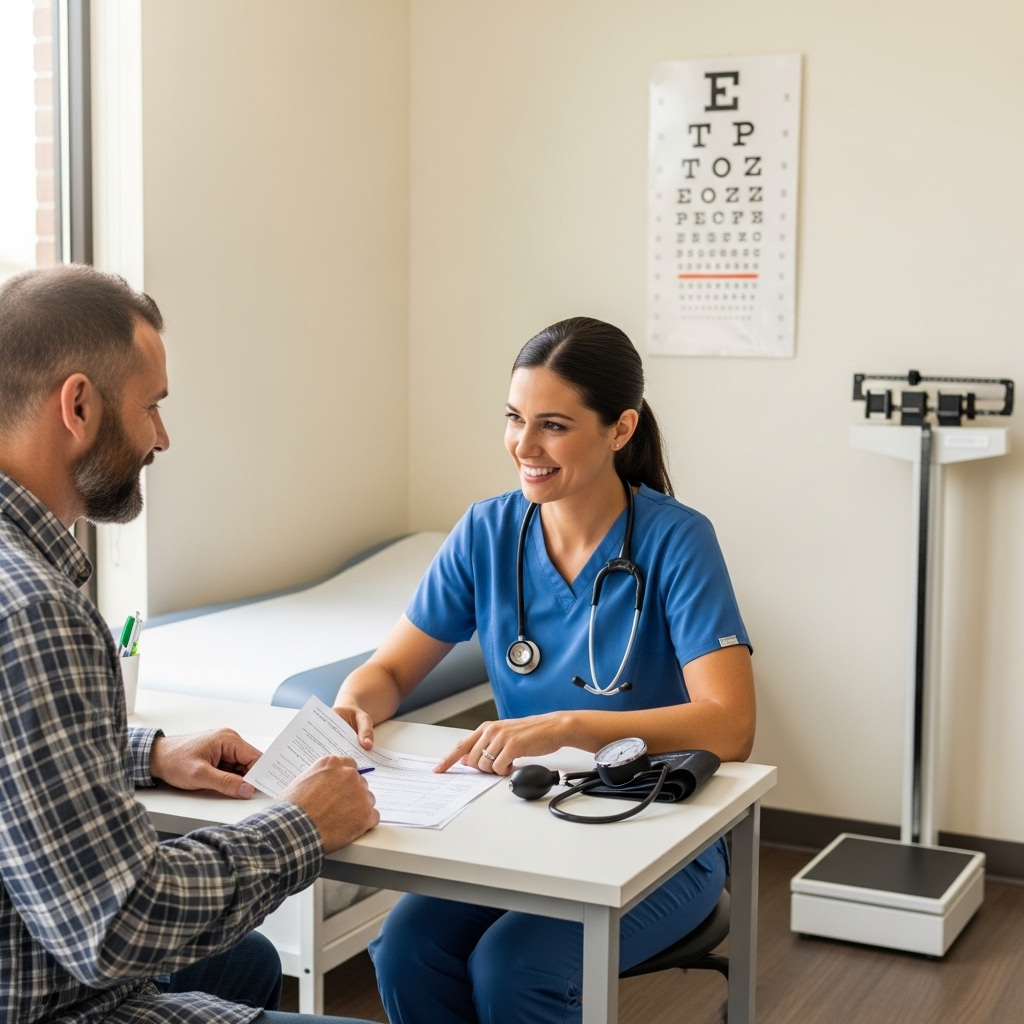
Understanding DOT Physical Requirements in Houston, Texas
If you’re a commercial driver residing in Houston, Texas, it’s essential to comprehend the ins and outs of the Department of Transport (DOT) physical exam. This piece outlines the DOT physical requirements in Houston. The main goal of a DOT
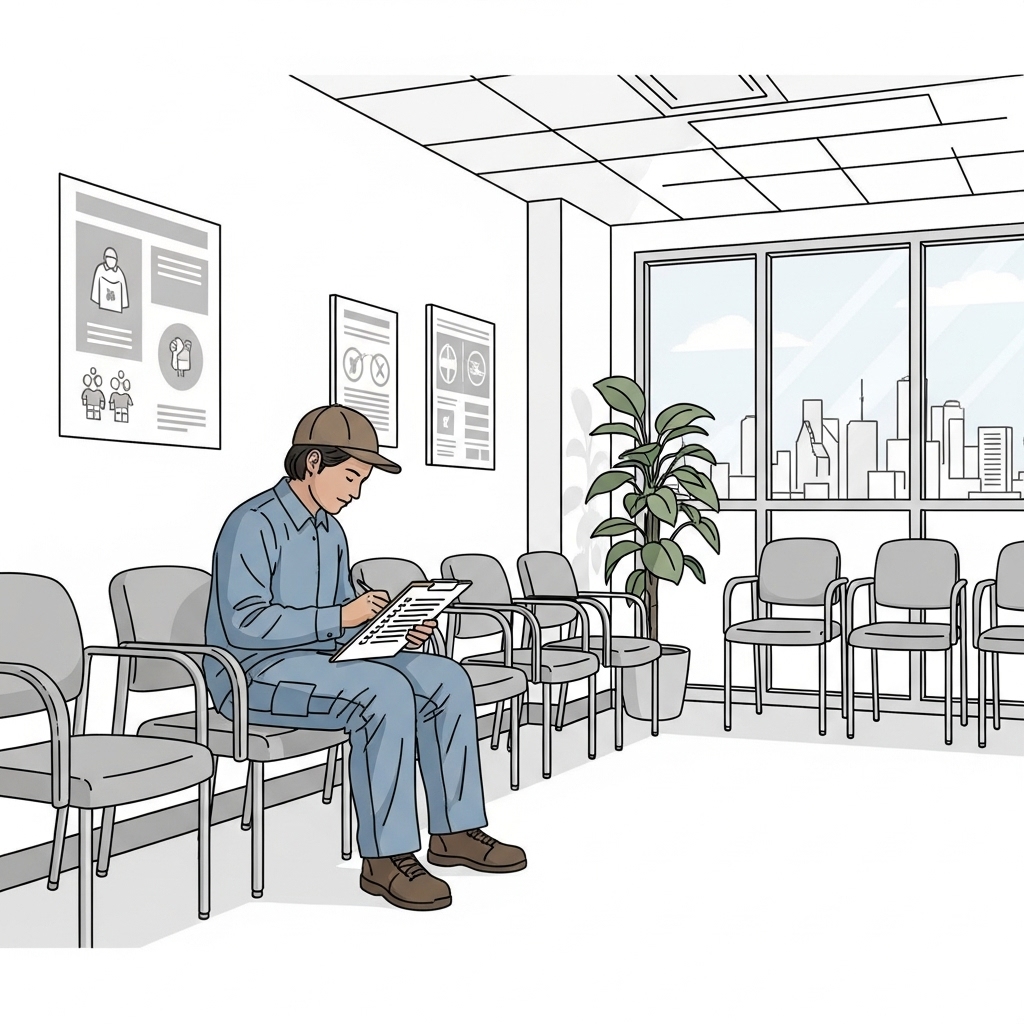
Understanding the DOT Physical Requirements in Houston, Texas
Understanding the DOT Physical requirements in Houston, Texas is key to successfully passing the test…. Learn more about the physical requirements for commercial drivers. Plenty of Rest Before Your Physical Before going for your DOT physical in Houston, Texas, ensure