


Understanding DOT Drug Testing Benefits for Houston Employers
In the bustling city of Houston, where the economy thrives on transportation and logistics, understanding the significance of DOT drug testing is vital for employers. The Department of Transportation (DOT) regulations are in place to ensure safe operations within various transportation sectors. Employers who implement DOT drug testing not only enhance workplace safety but also promote a culture of responsibility and reliability among their employees. This commitment can lead to a more productive workforce and a reduction in workplace accidents.
For many Houston employers, the first question revolves around the tangible benefits of DOT drug testing. These benefits extend beyond compliance with federal regulations, establishing a framework for employee accountability. When drivers and employees understand that substance usage is monitored, it often leads to safer driving practices and healthier lifestyle choices. In an industry where the stakes are high, the protection of both employees and the public becomes paramount. The implementation of a robust drug testing policy can also minimize the risk of liability for employers.
Another essential aspect to consider is the impact on insurance premiums. Many insurance providers favor companies that uphold stringent safety measures, including regular drug testing. Employers can often reap the financial rewards of lower premiums as a result of reduced accident rates associated with drug-related incidents. This is particularly significant in Houston, where operational efficiency and financial management are key contributors to a company’s overall success.
However, it’s not just about legal compliance or financial gain; DOT drug testing fosters a culture of trust and professionalism within the workplace. When employees see that their wellbeing is prioritized, it can enhance morale and workplace cohesion. This environment encourages workers to perform optimally and take pride in their contributions.
Frequently Asked Questions
What substance tests are required under DOT regulations?
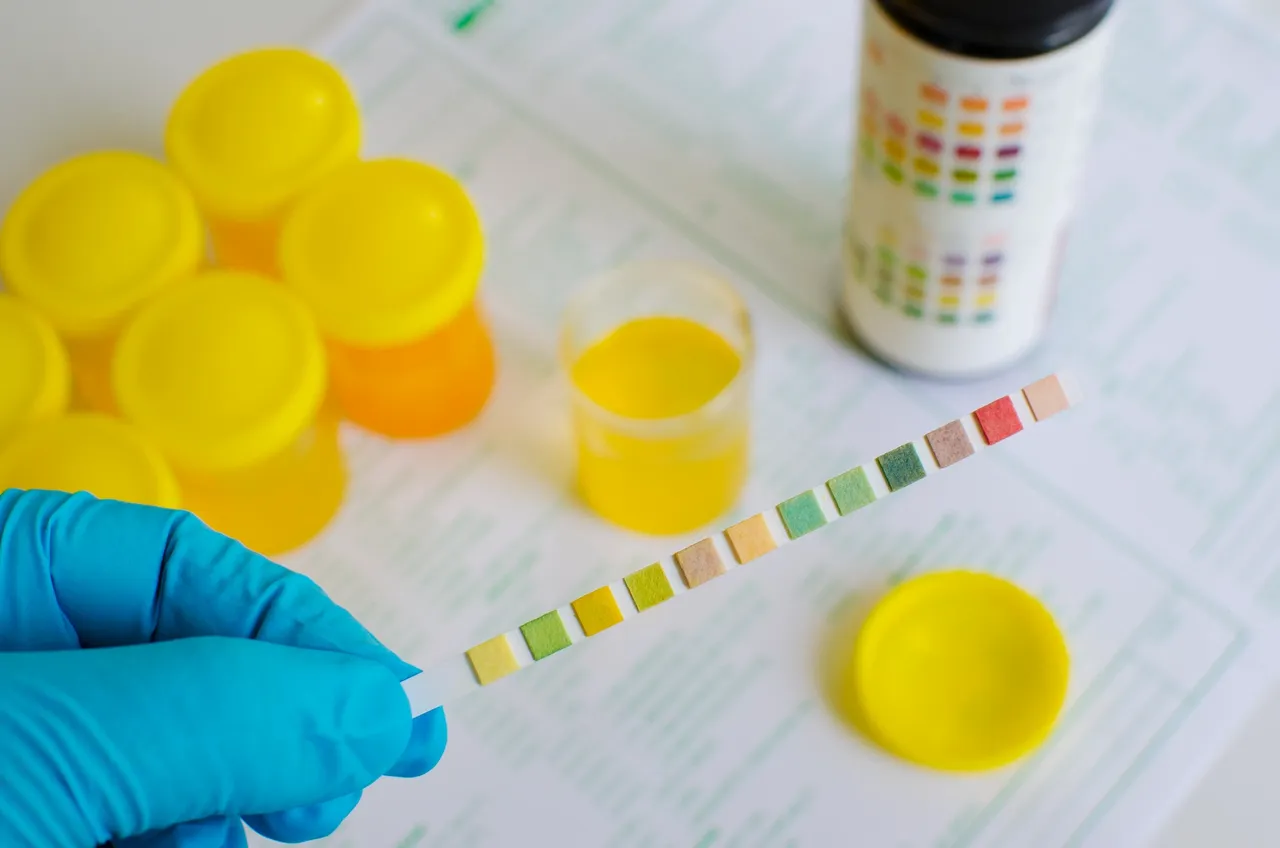
DOT regulations outline testing for marijuana, cocaine, opiates, amphetamines, and phencyclidine. Employers must ensure their testing programs encompass these substances.
How often should drug testing be conducted?
DOT mandates pre-employment testing as well as random testing throughout an employee’s tenure. Regular program reviews and updates are crucial to remain compliant.
What happens if an employee fails a drug test?
Employees who test positive may face disciplinary actions, which could include job loss, mandatory rehabilitation, or being prohibited from operating DOT-regulated vehicles.
In conclusion, adopting DOT drug testing is a decision that strengthens the foundation of any transportation-oriented business in Houston. By keeping safety paramount and ensuring compliance with regulations, employers are not just fulfilling legal obligations but are also investing in their most valuable asset—their workforce. For comprehensive support and guidance in implementing a DOT drug testing program, consider reaching out to a local expert. Visit Texas DOT Physicals LLC to learn more about establishing a successful testing program tailored to your business needs. Taking action today lays the groundwork for a safer, more productive workplace tomorrow.