


Understanding DOT Drug Testing Regulations in Houston, Texas
As residents of Houston, Texas, understanding the Department of Transportation (DOT) drug testing regulations is crucial for both employers and employees in safety-sensitive positions. Houston, a bustling hub for transportation and logistics, has its share of complexities when it comes to ensuring compliance with these regulations. The Federal Motor Carrier Safety Administration (FMCSA) mandates strict drug testing policies that businesses must adhere to, and being familiar with these guidelines is essential to avoid legal repercussions.
To start, it’s important to recognize that the DOT drug testing program is designed to ensure that individuals in safety-sensitive roles, such as commercial drivers, are not impaired while operating vehicles or heavy machinery. These regulations are not just bureaucratic nonsense; they are in place to safeguard the lives of workers and the general public alike. Depending on your role within the transportation sector, you may be subjected to various levels of testing.
One of the most critical aspects of compliance is understanding who is subject to testing. According to DOT regulations, any individual operating a commercial vehicle must undergo drug testing. This applies to truck drivers, bus operators, and even certain employees in the rail and aviation sectors. The consequences of non-compliance can be severe, including job loss and legal penalties.
Moreover, random drug testing is a common requirement under DOT regulations. Employers are obligated to implement a random drug testing program that fairly represents their workforce. For many, this may feel invasive, but it serves to maintain a safe working environment. When an employee is selected for random testing, their participation is mandatory, and they must comply immediately.
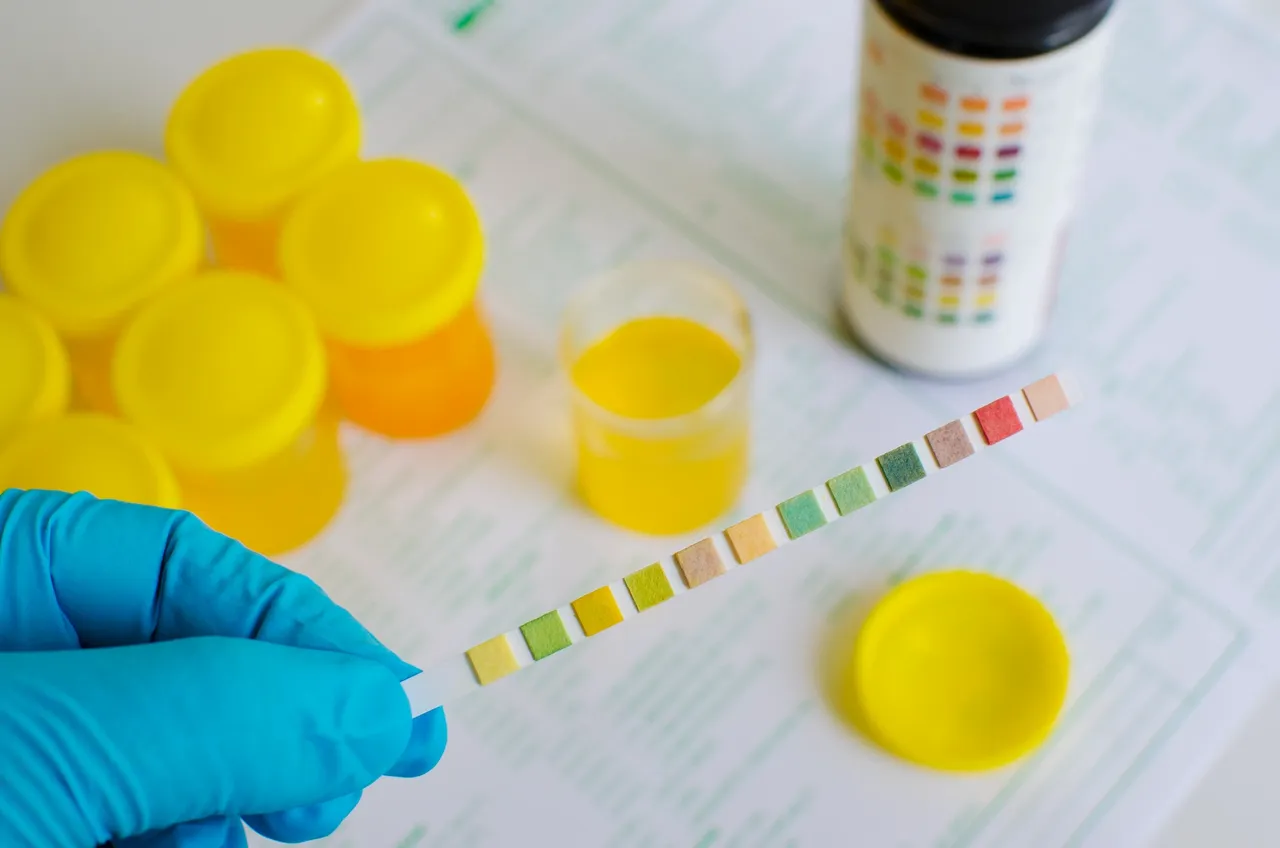
As you navigate through these regulations, you might find yourself asking questions like, “What substances are being tested for?” The DOT drug testing program screens for specific substances, including marijuana, cocaine, opiates, amphetamines, and phencyclidine (PCP). Each of these substances is known to impair an individual’s ability to perform their job safely. Therefore, passing a drug test isn’t just a formality—it’s a vital part of your job.
In addition to understanding the substances tested for, knowing how to prepare for a drug test is equally important. Employers often conduct pre-employment tests, which means you should be aware of your body’s physiological responses to drugs. The best approach is to maintain a clean lifestyle, avoiding any substances that could lead to a positive test result. If you’re seeking more information on how to navigate these requirements, consider referring to Texas DOT physicals as a reliable resource.
An equally important consideration is the role of third-party testing providers. Many companies in Houston choose to work with external service providers to manage their drug testing programs effectively. These organizations help ensure compliance with DOT regulations and provide necessary educational resources for employers and employees alike. They can also assist in navigating the often murky waters of drug testing policies, ensuring that all protocols are followed.
Moreover, it’s crucial that employers educate their employees about the drug testing process. Transparency is key. Everyone should be aware of what to expect during testing and the protocols in place to protect their rights. Providing information sessions or resources about what happens during a drug test can go a long way in alleviating anxiety and ensuring compliance.
To better understand the importance of these regulations, consider the implications of failing a drug test. A positive result can lead to immediate termination or, at the very least, a lengthy review process. Therefore, it’s paramount to foster a culture of safety within the workplace. This can be achieved through regular training sessions focusing on the risks associated with drug use and the importance of compliance with DOT regulations.
Frequently Asked Questions
Q: What is the purpose of DOT drug testing?
A: The primary purpose of DOT drug testing is to ensure the safety of the workforce and the public by preventing workers in safety-sensitive positions from being impaired while on the job.
Q: Who is subject to DOT drug testing?
A: Employees operating commercial vehicles and those in safety-sensitive roles are required to undergo DOT drug testing.
Q: What happens if an employee fails a drug test?
A: A positive test result can lead to significant consequences, including termination of employment and eligibility to return to work after a mandatory waiting period.
In conclusion, understanding DOT drug testing regulations is not just about avoiding penalties; it’s about safeguarding lives and promoting a culture of responsibility. For those seeking to stay informed, resources are available through certified providers. Emphasize the significance of a safe work environment in your organization. If you’re looking for more in-depth information and local resources, consider visiting Texas DOT physicals for guidance.
By keeping yourself informed and compliant, you contribute to a safer community overall. Whether you are an employee or an employer, knowing these regulations creates a positive impact. Remember: the safety of our roads starts with responsible individuals.