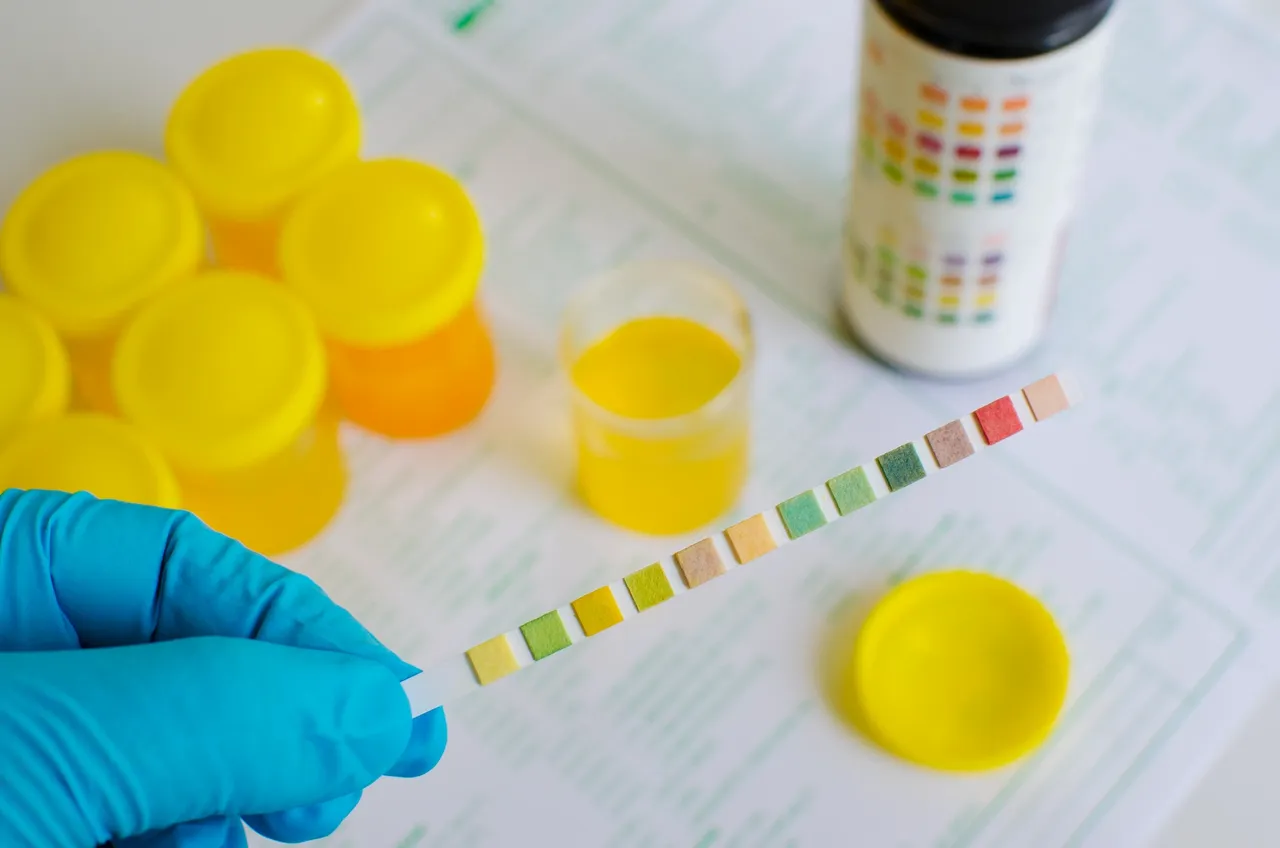



Understanding DOT Drug Testing Requirements in Houston, Texas
In the bustling city of Houston, Texas, the Department of Transportation (DOT) drug testing requirements play a vital role in ensuring the safety of our roads and the reliability of transportation services. These mandates are not merely guidelines but essential regulations that protect the everyday commuter and the integrity of the trucking and transport industry. Knowing what these requirements entail is crucial for both employers and employees.
For companies operating in Houston, understanding the intricacies of DOT drug testing is a fundamental aspect of compliance. Employers must ensure that their employees, especially those in safety-sensitive positions, partake in regular drug testing to maintain a safe working environment. This is not just a matter of policy; it’s a commitment to public safety. Whether you own a transportation company or are an employee subject to these regulations, being informed can empower you.
The testing protocols stipulated by DOT include pre-employment screening, random drug testing, reasonable cause testing, post-accident testing, and return-to-duty testing. When a company is established, it must develop a drug and alcohol testing program that complies with these regulations. Houston-based companies must also navigate through local ordinances that may further specify drug testing protocols.
Many employers turn to local professionals who specialize in DOT drug testing to ensure they are compliant with both state and federal regulations. It’s a wise decision to partner with testing facilities that understand the local market nuances and can provide accurate, timely results. This not only ensures compliance but also builds trust with employees.
Common Questions Surrounding DOT Drug Testing
One persistent concern in the industry is the privacy of the employees undergoing drug testing. Companies need to establish clear policies that inform employees about the testing process, your rights, and the measures taken for confidentiality. Understanding the legal implications can aid in alleviating fears and fostering an atmosphere of transparency.
A frequently asked question is how often these tests are administered. The DOT stipulates random testing that adds an element of unpredictability, ensuring that employees are constantly aware that they may be tested. This is designed to deter substance abuse among employees.
Moreover, the complexities surrounding what happens if an employee fails a drug test are often misunderstood. It’s crucial to establish a clear understanding of the repercussions, including potential retraining or rehabilitation requirements. These steps are intrinsic to aiding the employee in regaining their footing within the industry.
For many, finding a reliable location for testing can prove challenging. Fortunately, there are numerous facilities throughout the Houston area that provide dedicated DOT drug testing services. Engaging with these centers not only offers accessibility but also allows for more streamlined testing processes. Including information on these local resources within your employee handbook can provide clear paths for employees to know where to go and what to expect.
It’s imperative to note that the goal of these testing requirements is not merely punitive but rather preventive. By ensuring that potential risks are identified before they become problematic, we contribute to a safer working environment.
Finally, we cannot overlook the importance of education around drug use and the implications of substance abuse. Providing employees with resources, support, and information about drug abuse can help build a culture of accountability and care within the workplace.
FAQs on DOT Drug Testing Requirements
1. What types of drugs are included in DOT testing?
DOT testing commonly screens for marijuana, cocaine, opiates, amphetamines, and phencyclidine (PCP), among others.
2. How long does it take to get results from a drug test?
Results can vary based on the testing facility, but typically, negative results are reported quickly while positive results require further analysis and can take longer.
3. Can an employee refuse to take a DOT drug test?
Refusing a drug test is not an option for employees subject to DOT regulations, and there could be serious consequences for noncompliance.
4. How can companies stay compliant with DOT drug testing regulations?
Collaborating with experienced local providers of DOT drug testing services can help maintain compliance.
In conclusion, as we navigate the complexities of DOT drug testing requirements in Houston, it is essential that all parties involved remain informed and engaged. Educating ourselves and our teams about these regulations is key to fostering a safe transportation environment. Ensure your business is compliant today!
For any company looking for dependable and efficient drug testing solutions in Houston, don’t hesitate to reach out to professionals specialized in DOT drug testing services. Your commitment to safety begins with being informed and compliant.