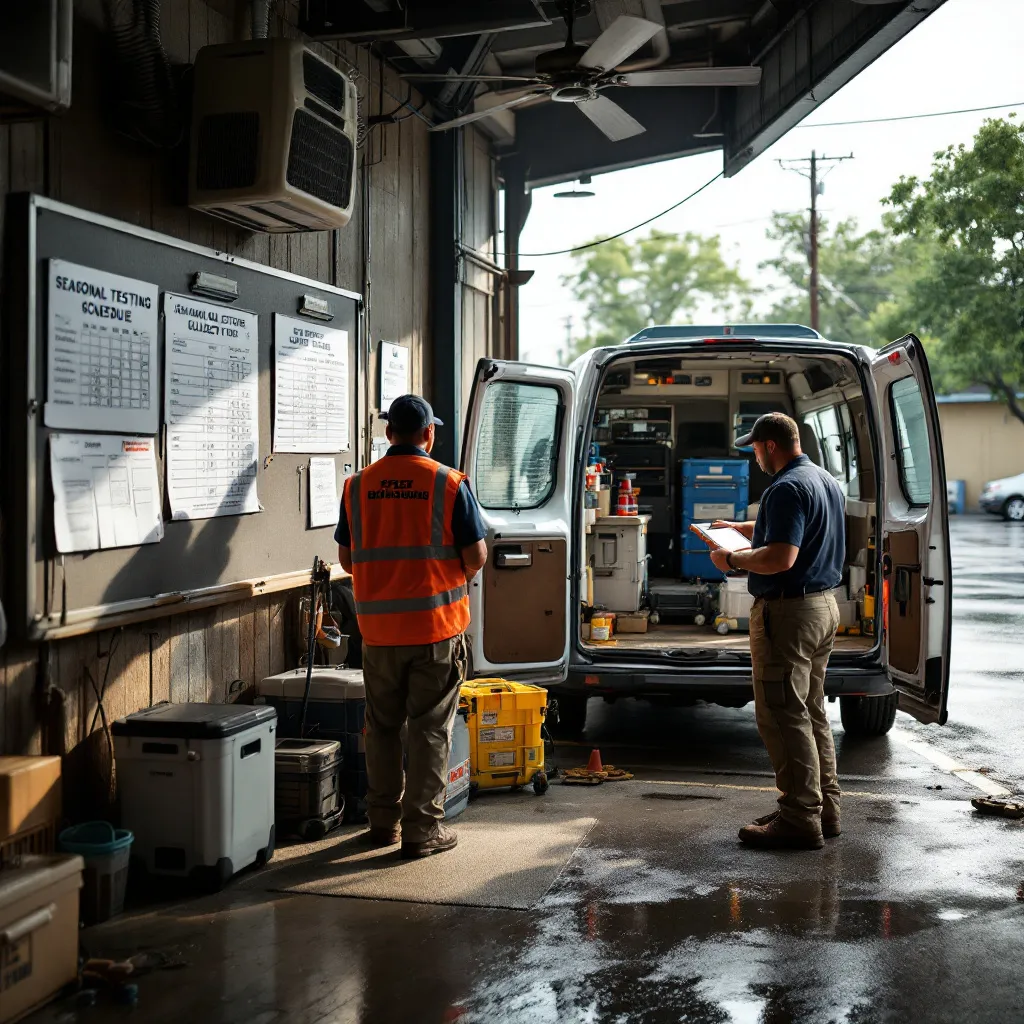



Common DOT Drug Testing Issues Employers Face In Houston Texas
As a Houston-based DOT physical and commercial driver health expert, I often speak with fleet managers and small business owners about how to handle testing programs and maintain compliance. DOT Drug Testing is one of the most misunderstood areas, and I make it a priority to explain the rules in straightforward terms so employers can protect drivers, meet federal mandates, and keep operations running smoothly. For many local employers the difference between a clean testing program and one that invites violations is surprisingly small, and understanding common pitfalls can save time and stress.
Why DOT Drug Testing matters for Houston employers
In Houston, commercial operations face unique challenges: a large volume of interstate freight, diverse staffing, and the pressure of tight delivery schedules. DOT Drug Testing ensures safety on the roads and reduces liability when incidents occur. Beyond the legal requirement, a clear testing policy communicates that safety is a priority and helps maintain trust with customers and regulators. I advise employers to think of their program as an ongoing safety investment rather than a one-time administrative task.
Common documentation and chain-of-custody errors
One frequent issue I see is incomplete or incorrectly completed forms. Submissions that lack signatures, miss dates, or contain conflicting information can cause collected specimens to be rejected. Chain-of-custody errors are especially problematic because they strike at the heart of a specimen’s integrity. When paperwork is inconsistent, a laboratory may deem the result as invalid, which creates additional steps for retesting and can disrupt scheduling for drivers. Implementing clear checklists and training staff who accompany drivers to collection events reduces these errors significantly.
Collection and specimen handling problems
Another area that creates trouble is the collection process itself. Improper sealing, delays that exceed testing windows, and failing to follow temperature or volume requirements are all reasons a laboratory might report an issue. For employers in Houston, where some collection sites may be busier than others, it helps to build relationships with reputable collectors who understand DOT requirements and can handle high-volume events without cutting corners. A quality collector is an extension of your compliance program.
Understanding laboratory results and medical review
When a lab reports a positive result, the Medical Review Officer (MRO) plays a central role. Employers sometimes act on preliminary results or misunderstand the MRO’s responsibilities, which can lead to wrongful employment actions. The MRO evaluates legitimate medical explanations and confirms positives before they become actionable. Communicating this process clearly to supervisors helps avoid hasty decisions and ensures the driver’s rights and health are respected while compliance steps are followed.
Policy clarity and supervisor training
Policies that are vague or inconsistently enforced are a common source of violations. Supervisors need to recognize behaviors that trigger reasonable suspicion testing and understand how to document observations. Training should be practical and include examples relevant to Houston operations—such as behaviors observed during long-haul shifts or while operating within congested urban zones. Consistency in enforcement prevents allegations of unfair treatment and supports a defensible program during audits.
DOT Drug Testing: addressing delays and retests
Delays in testing or retests after an initial issue often cause operational headaches. Some employers wait too long to arrange a retest, leaving drivers in a limbo that affects schedules and payroll. Advance planning is essential: know who your authorized collector is, understand the re-collection timeframe, and have a clear policy for handling invalid or cancelled results. Proactive logistics planning can help maintain route continuity and minimize downtime for drivers.
Adapting to workforce turnover and contractor relationships
High turnover and the use of contract drivers complicate DOT compliance. Ensuring that all workers—full time, part time, and contracted—meet the same standards requires careful onboarding procedures. If a contractor manages their own testing, verify their documentation and the MRO’s determinations to ensure equivalency with your program. Consistency across all categories of workers keeps your company aligned with DOT expectations and reduces audit risk.
FAQ: What employers in Houston ask most
Q: How quickly must a driver be tested after an incident?
A: Timeframes depend on the type of test required and the circumstances, but it’s critical to act quickly. Post-accident testing protocols often require specimens within specific windows to be valid. Contacting your collection site and MRO promptly preserves evidence and protects both the driver and the company.
Q: Can an employer refuse to allow a retest?
A: Employers should follow DOT regulations and the MRO’s guidance. If a retest is authorized under DOT procedures, refusing it can create legal and operational complications. Work with your MRO and collection site to resolve discrepancies professionally and quickly.
Q: What should I do if paperwork is rejected by the lab?
A: Treat rejected paperwork as a learning opportunity. Investigate where the error occurred—at collection, during signing, or in data entry—and update processes to prevent recurrence. Training front-line staff and using standardized checklists usually cures most documentation problems.
Q: How do I choose a reliable collector in Houston?
A: Look for collectors experienced with DOT rules, transparent about their procedures, and responsive when you need confirmations or rapid testing. Strong communication between your safety team and the collector reduces delays and confusion.
Managing a compliant and effective DOT testing program in Houston requires attention to details large and small. If you want a pragmatic partner who understands local logistics, regulatory expectations, and the realities drivers face on Houston roads, consider a straightforward approach to program design and vendor selection. For more detailed guidance and hands-on assistance with test coordination and policy review, contact our team through the trusted resource below: DOT Drug Testing. Our goal is to keep your drivers safe and your operation compliant so you can focus on business.
If you have immediate questions or need on-site consultation to review your current procedures, reach out and we’ll help you develop a plan that reduces errors, streamlines collections, and protects your workforce. We prioritize practical solutions for Houston employers and will work with your schedules and routes to minimize disruption. Remember that clear policies and quality partners are the best defenses against costly testing errors—let us help you tighten the process with local expertise and hands-on support. Learn more and start improving your program today with our local team: DOT Drug Testing.
Texas DOT Physicals
11811 East Fwy # 230, Houston, TX 77013, United States
Phone: +1 (877) 792-5546