


DOT Drug Testing Maintenance Tips For Fleet Managers In Houston Texas
As a Houston-based DOT physical and commercial driver health expert, I know how quickly compliance tasks can pile up for fleet managers. Early on, you’ll want to treat DOT Drug Testing as a core part of your maintenance routine rather than a one-off checklist item. Establishing predictable schedules and clear internal procedures reduces stress for drivers, keeps your fleet running, and protects your company from costly violations. For managers looking for a practical starting point, consider linking your testing calendar to routine maintenance milestones and safety meetings, and rely on trusted local providers like DOT Drug Testing to handle the clinical details.
DOT Drug Testing: Why regular maintenance matters
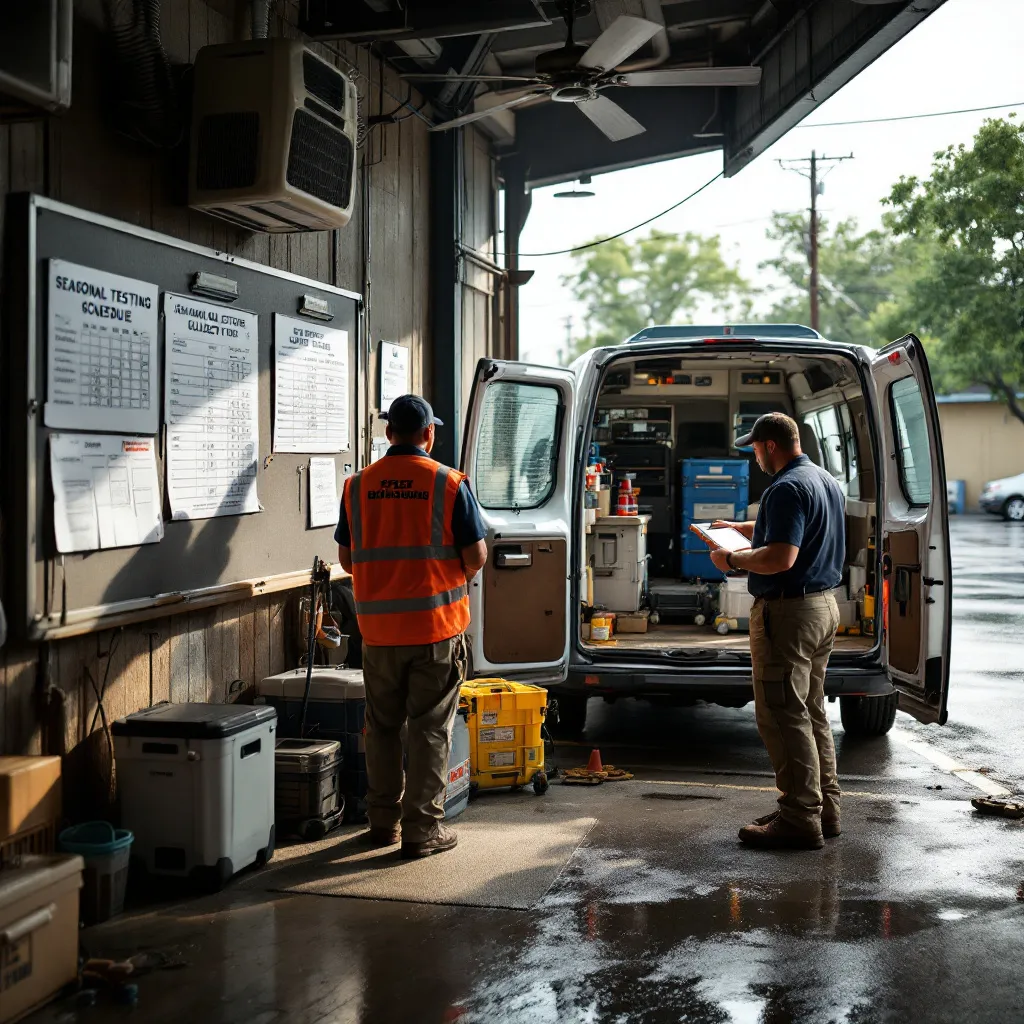
Maintaining a drug testing program is about more than following federal rules; it’s about sustaining a culture of safety. When schedules lag and records become inconsistent, the risk of noncompliance increases alongside driver uncertainty. As someone who works with Houston drivers every week, I’ve seen fleets that integrate testing reminders into vehicle service routines consistently outperform those that treat tests as isolated tasks. In practical terms, build your program to align pre-employment screenings, random testing windows, and post-incident tests with maintenance windows so drivers already expect downtime and paperwork at predictable intervals.
Designing a reliable testing schedule
An effective schedule balances regulatory timelines with operational realities. Random testing pools, return-to-duty processes, and reasonable accommodation cases all require documentation and attention. Start by creating a centralized calendar accessible to dispatch and safety officers, and assign clear ownership for each type of test. Establish backup plans for drivers who miss appointments, and make sure your fleet has established relationships with local clinics that understand commercial testing standards. I recommend reaching out to local specialists and labs early—when you have an established partner, you reduce turnaround time and improve communication on chain-of-custody procedures.
Recordkeeping and audits: keeping the paper trail clean
Accurate records are the backbone of any DOT program. Maintain digital copies of medical review officer (MRO) decisions, chain-of-custody forms, and negative/positive notifications. Set periodic internal audits to confirm that every driver file contains the required documentation and that testing frequencies match your random selection rates. When DOT inspectors arrive, an organized set of records tells your story: proactive, consistent, and safety-minded. Strong recordkeeping also protects drivers by ensuring their privacy and guarding against administrative errors that could impact employment status.
Training drivers and supervisors for real-world scenarios
Training should be practical, brief, and repeated. Drivers need to know what to expect during a specimen collection, the importance of timely disclosure of prescriptions, and the process for contesting an MRO finding. Supervisors should understand how to implement post-accident testing and what constitutes reasonable suspicion. Role-playing short, realistic scenarios during safety meetings can demystify the process and reduce friction when tests are needed. In Houston’s busy commercial environment, clarity and calm from supervisors make a big difference when a driver is nervous about testing.
Coordination with medical providers and MROs
Reliable coordination with medical review officers and collection sites keeps your program moving. Make sure your chosen medical partners understand DOT rules and local nuances, such as how weather or traffic can impact collection timelines. When your clinic is experienced, you get consistent specimen handling, faster MRO responses, and fewer administrative hang-ups. For fleets in Houston who want to streamline that relationship, establishing a direct point of contact at your testing provider helps resolve issues quickly and keeps drivers back on the road safely and legally. If you need a dependable local option, consider providers who specialize in commercial programs like DOT Drug Testing, which can reduce friction during busy periods.
Maintaining driver trust and privacy
Trust is easily damaged when testing feels punitive rather than protective. Communicate clearly why testing exists, how results are handled, and what support is available for drivers who test positive, including return-to-duty pathways and treatment resources. Keep medical information strictly confidential and accessible only to those with a legitimate need to know. A respectful, transparent approach maintains morale and helps drivers see testing as a component of their employment health program—not a disciplinary trap.
Frequently Asked Questions
Q: How often should a fleet conduct random testing?
A: Random testing rates are set by federal guidelines and can vary depending on the year and regulatory mandates. Your safety manager should review current DOT percentages and ensure your pool of random-tested drivers is selected using an unbiased, statistical method. Regular internal audits confirm you’re meeting obligations.
Q: What records are essential for an audit?
A: Essential items include chain-of-custody forms, MRO results and communications, driver certificates of completion for return-to-duty, policy acknowledgement forms, and documentation of random selection procedures. Keeping digital backups and indexed files speeds inspections and reduces stress for your team.
Q: How should I handle a positive test?
A: Follow DOT procedures: remove the driver from safety-sensitive duties, refer them to an MRO for verification, and if confirmed, arrange evaluation by a qualified substance abuse professional (SAP). A structured return-to-duty program, including follow-up testing, is necessary before the driver resumes safety-sensitive functions.
Maintaining a strong DOT Drug Testing program in Houston requires planning, consistent recordkeeping, solid partnerships, and respectful communication with drivers. If you want a practical next step, connect with a trusted local clinic that understands commercial testing demands and can support your schedule and documentation needs. Reach out to specialists like DOT Drug Testing for guidance tailored to Houston fleets, and make testing part of your routine maintenance plan to keep operations safe and compliant.
Texas DOT Physicals
11811 East Fwy # 230, Houston, TX 77013, United States
Phone: +1 (877) 792-5546