

Common DOT Drug Testing Issues Facing Houston Texas Drivers
As a local DOT physical and commercial driver health expert, I see the same concerns come up again and again when talking with Houston drivers about DOT Drug Testing. Whether you drive regional routes out of the Port of Houston or local delivery shifts around Harris County, understanding how drug testing works and what commonly trips up drivers can keep you on the road and out of costly delays. In this article I’ll walk through the most frequent issues, explain practical steps you can take, and point you to resources that many of my patients find helpful, including our own testing services like DOT Drug Testing.
DOT Drug Testing Requirements in Houston
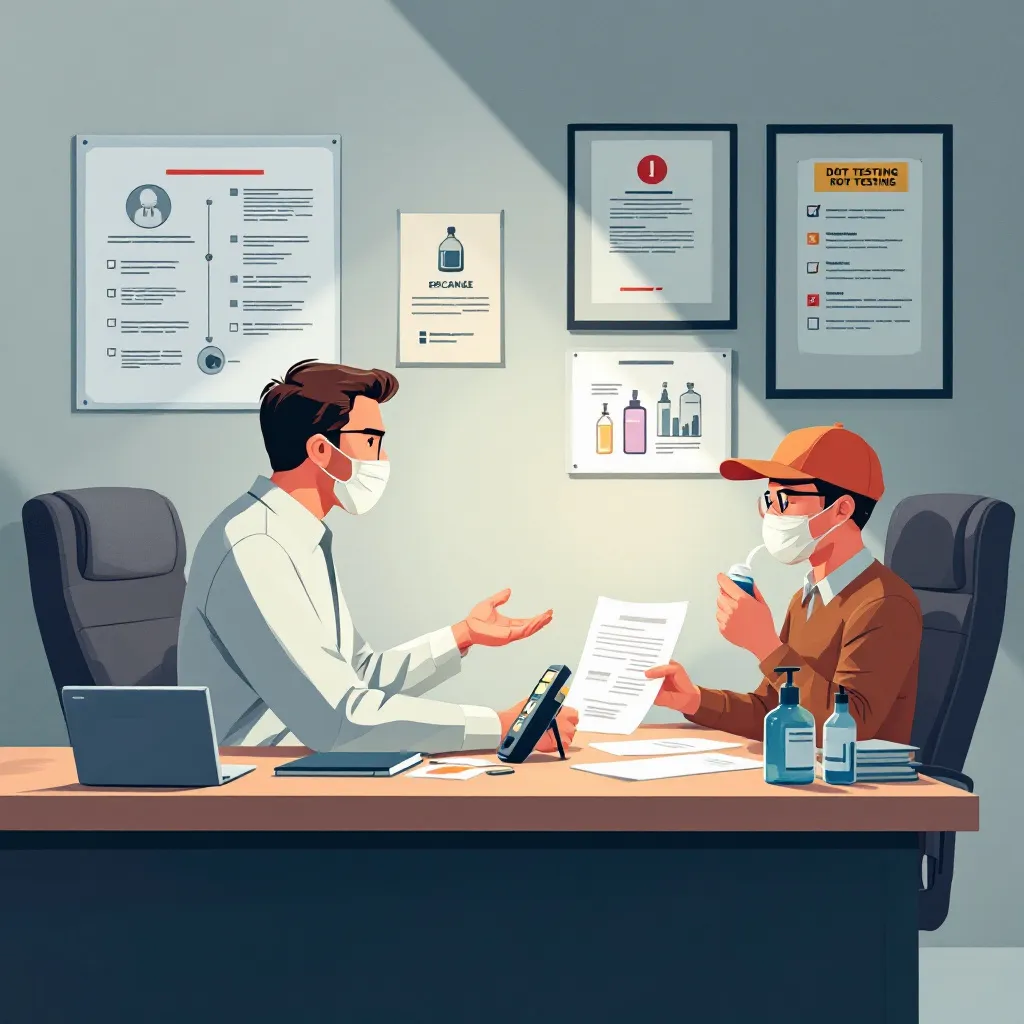
Federal guidelines set the baseline for testing, but local implementation and employer policies often determine how those rules are applied day to day in Houston, TX. Drivers must understand when tests are required — pre-employment, random, post-accident, reasonable suspicion, return-to-duty, and follow-up testing — and how chain-of-custody procedures protect both the driver and the employer. I emphasize to drivers that knowing these categories helps you prepare mentally and practically; for example, having a clear record of any legitimate prescription medications and documentation from your physician can prevent misunderstandings when a specimen is collected.
Common Collection and Chain-of-Custody Problems
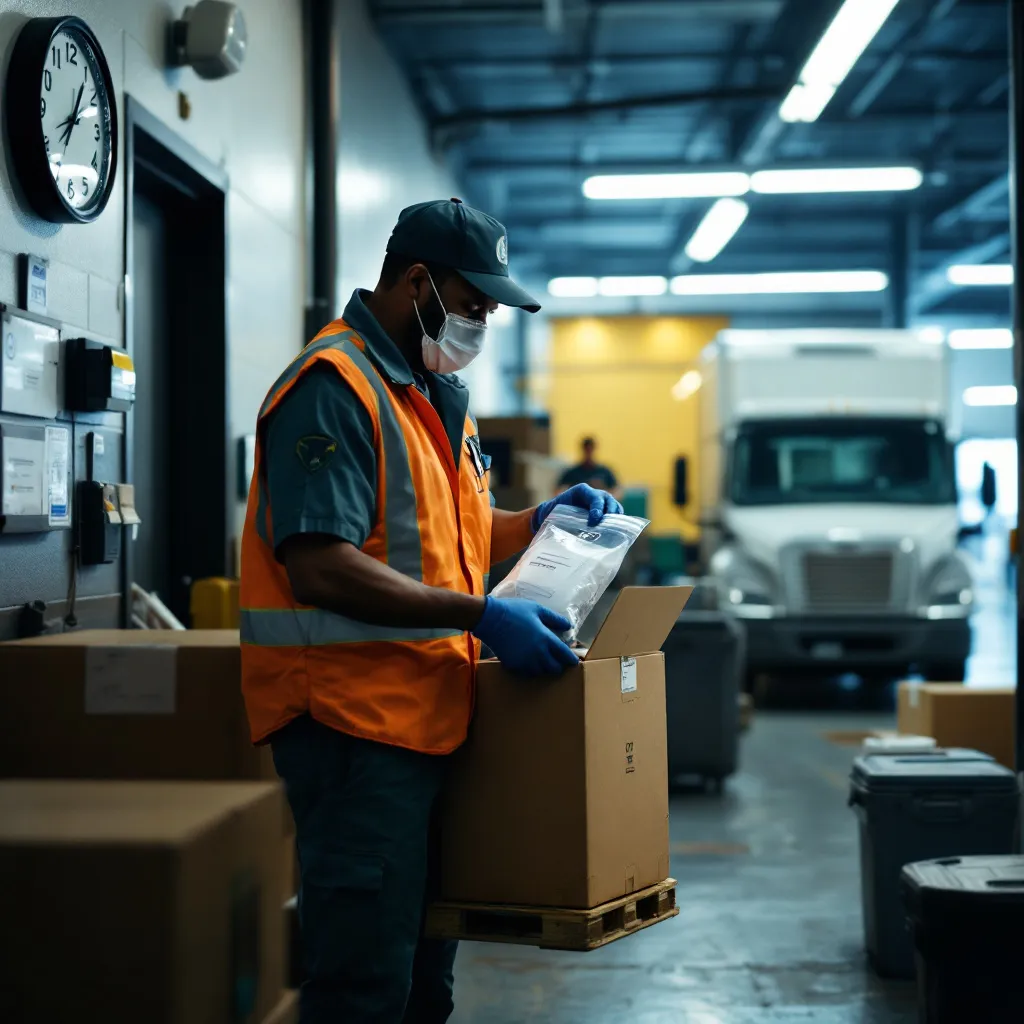
One of the most frequent issues I encounter involves collection protocol. Small mistakes at the collection site — such as improper sealing, incomplete paperwork, or failure to follow temperature checks — can lead to a specimen being reported as invalid or cancelled. This is frustrating for drivers because it creates delays and sometimes mandates a repeat test, which can affect scheduling. I work with local collection facilities to stress the importance of careful documentation and advise drivers to watch that the collector completes each step correctly. If something looks off, politely ask for clarification before you leave the site.
Prescription Medications and Legitimate Use
Many drivers worry that legally prescribed medications will automatically disqualify them. In practice, a documented prescription or a signed statement from a treating provider usually resolves these situations, but the detail matters. For certain controlled substances, there may be additional requirements or temporary restrictions on driving duties depending on the medication and the medical evaluation. As an expert in the field, I counsel drivers to carry copies of prescriptions, keep treatment notes accessible, and communicate proactively with their employer’s medical review officer when necessary.
Random Testing and Statistical Expectations
Random testing is another source of anxiety. Because selections are made by a computer-based program, some drivers feel targeted when called in, while others are surprised by the timing. The random nature means you should always be prepared — not just for the test itself, but for any administrative follow-up. Carriers and medical examiners in Houston often provide guidance on what to expect, but it helps to know your rights and responsibilities at the testing site and to treat the process as a routine occupational health task.
Common Misunderstandings That Lead to Test Failures
There are misconceptions that cause unnecessary failures: using over-the-counter supplements without checking ingredients, assuming any herbal product is safe, or trying to alter a specimen. Attempts to dilute, substitute, or tamper with a sample are taken very seriously and typically result in a refusal to test or a positive test listing. Honest communication and preparation are the best defenses. If you have doubts about any product, ask your company medical officer or a clinic experienced in commercial driver evaluations before using it.
What to Do If You Test Positive or Have a Discrepancy
Receiving a positive result or an unexpected discrepancy is stressful, but there are clear steps to take. The Medical Review Officer process exists to review legitimate medical explanations. Maintain copies of prescriptions, request a prompt review, and consider a second confirmatory test if appropriate. Many drivers benefit from consulting a trusted occupational health clinic to navigate the process, understand return-to-duty procedures, and plan for possible rehabilitation or follow-up testing. Our office regularly assists drivers through these steps and can recommend next actions tailored to your situation.
Practical Tips to Reduce Your Risk
Practical habits go a long way: keep a folder with medication records, avoid unverified supplements, stay hydrated without resorting to extreme dilution, and arrive at collection sites with proper identification. Build a relationship with a local DOT clinic so you have a familiar place to turn for testing and questions. If your employer partners with testing providers, learn their protocols early to avoid surprises. And remember that staying informed is part of professional driving — being proactive protects your license and livelihood.
How Local Clinics Help with Compliance
Local clinics in Houston offer services beyond specimen collection: we provide education, pre-trip guidance, coordination with medical review officers, and assistance with return-to-duty planning. If you are uncertain about a specific situation, such as a medication change after a DOT physical, reach out to a clinic familiar with commercial driver requirements. Many drivers find peace of mind in having a professional they can call when paperwork or results become confusing, and our team is committed to making that support available through reliable testing services like DOT Drug Testing.
Frequently Asked Questions
Q: What counts as a positive DOT drug test?
A: A positive test is one where the laboratory confirms a substance at or above the federal cutoff levels and the Medical Review Officer does not find an acceptable medical explanation. Prescription medications properly documented are considered during review.
Q: Can I be retested if I disagree with the result?
A: Drivers can request the split specimen be tested at a different certified laboratory, following the procedures for challenging a DOT test. Timelines and fees depend on the testing program and carrier policies.
Q: Will a dilute specimen always count as a failed test?
A: Not always. A specimen reported as dilute may require a retest, and the context matters. Repeated or extreme dilution attempts raise red flags and can be treated as refusals.
Q: How long do substances remain detectable under DOT testing?
A: Detection windows vary by substance, usage patterns, metabolism, and the test type. Urine testing follows federal cutoff guidelines; if you have concerns, consult a medical professional for specifics based on your situation.
Q: Who can I contact locally for guidance or testing?
A: Seek a clinic experienced in occupational and DOT-related services to get accurate, up-to-date information and testing referral. Our Houston team helps drivers navigate testing and compliance every week.
If you have questions about navigating any part of the DOT drug testing process or need local testing and guidance, contact our clinic for professional help and clear next steps. We provide driver-centered support to keep you compliant and driving safely, including enrollment in testing programs and assistance through any follow-up processes. Reach out to schedule an evaluation or to learn more about our testing services including DOT Drug Testing, and let us help you stay on the road with confidence.
Texas DOT Physicals
11811 East Fwy # 230, Houston, TX 77013, United States
Phone: +1 (877) 792-5546