


How Houston Texas Employers Should Handle DOT Drug Testing Inspections
As a local DOT physical and commercial driver health expert in Houston, I often speak with employers who feel anxious about federal reviews, record requests, and on-site checks. The good news is that clear preparation turns anxiety into confidence. Early in any conversation I stress the importance of routine DOT Drug Testing practices and accurate documentation — those two elements frequently decide whether an inspection is routine or becomes a costly compliance challenge.
Understanding what an inspector looks for
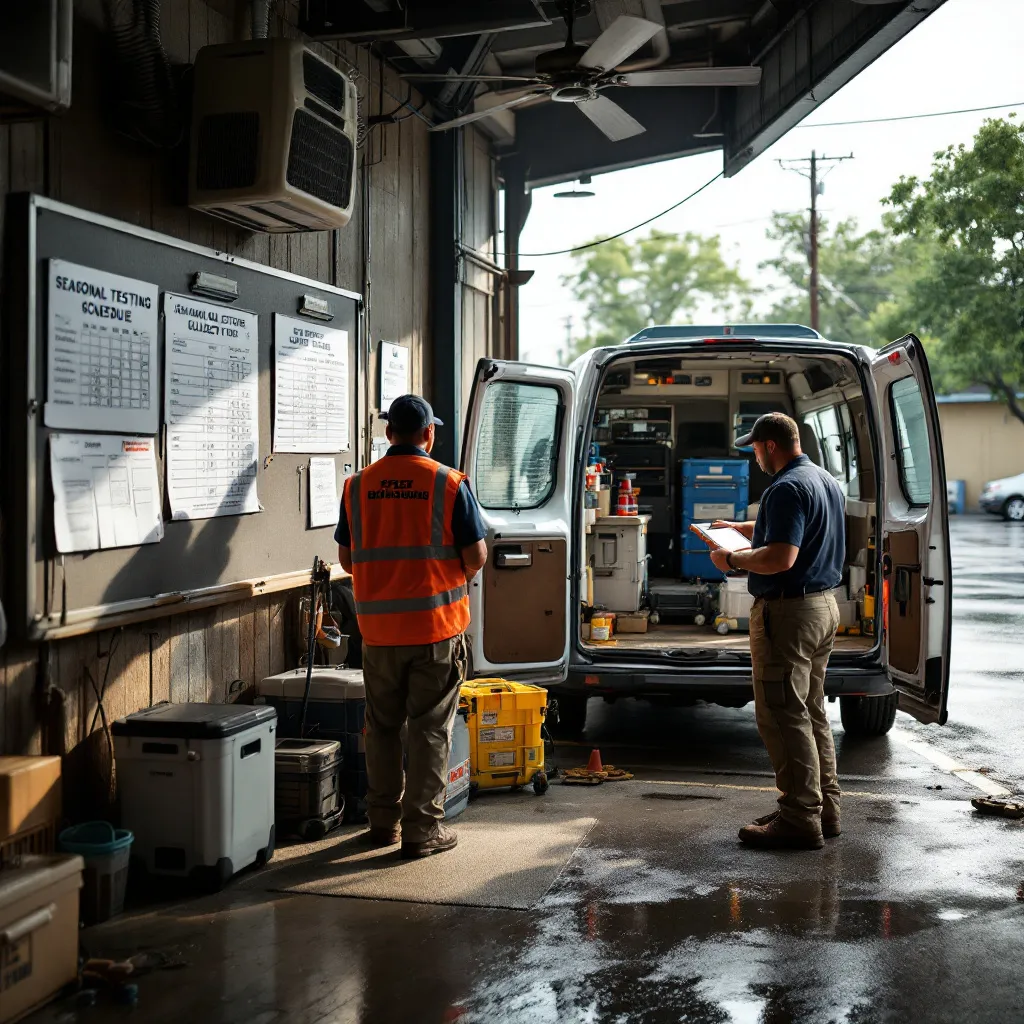
When a Federal Motor Carrier Safety Administration (FMCSA) or Department of Transportation representative arrives, they are not trying to catch you out so much as they are validating that you have the systems on file that protect drivers, the public, and your organization. Inspectors focus on documented policies: your drug and alcohol testing program, designated consortium or third-party administrator agreements, and the training records for supervisors who recognize impairment. A thorough employer will show a regular testing schedule, lists of positions subject to testing, and clear post-accident testing protocols. In Houston, where busy terminals and hot summers complicate operations, showing consistent procedures and chain-of-custody adherence is especially persuasive.
Preparing staff and records before an inspection
Preparation starts with designated points of contact. Choose someone familiar with your testing files and your policies who can meet inspectors quickly. Train front-line supervisors to understand what triggers tests, how to initiate a post-accident test, and how to direct drivers to a collection site. Maintain a single, well-organized repository for driver files and testing documentation so you can present complete records without delay. Consistency matters: dates, signatures, and the names of collection sites should match across documents. When you can confidently say that each step in a testing event — from notification to laboratory confirmation — was handled in accordance with federal rules, the inspection moves smoothly.
Common findings and how to correct them
Inspectors commonly find gaps in recordkeeping: missing acknowledgments of policy changes, incomplete return-to-duty documentation, or lapses in follow-up testing for drivers who have undergone treatment. Correcting these issues involves two parallel efforts: immediate remediation and system improvement. Immediately, compile missing forms, obtain required signatures, and document corrective steps taken. For the long term, implement standardized checklists, create electronic backups of paper files, and schedule periodic internal audits. In Houston, local carriers who adopt simple, repeatable processes report fewer inspection notes and faster resolutions when issues are identified.
The role of a third-party administrator and local resources
Many employers rely on a consortium or third-party administrator to manage collections and laboratory confirmations. Choosing a responsive partner who understands the specifics of Texas testing facilities reduces delays and confusion during inspections. That partner should provide timely reports, help interpret lab results, and advise on next steps such as return-to-duty evaluations or split-specimen requests. If an inspector asks for documentation you don’t have on hand, a strong TPA can often supply certified copies quickly. In the middle of a review, having that support can be the difference between an inspection that is merely advisory and one that escalates into enforcement.
DOT Drug Testing: what employers need to document
There are a few documentation elements that consistently matter most: a written policy signed by drivers, a roster of safety-sensitive positions, proof of required training, testing results with laboratory MRO (Medical Review Officer) conclusions, and records of any rehabilitation or return-to-work agreements. Keep incident logs and clear notes around post-accident testing decisions, including why tests were or were not administered. For Houston employers operating across county lines, harmonize records so the same standard applies regardless of which terminal an inspector visits. Strong documentation tells a clear compliance story.
What to do during an inspection
When an inspector arrives, conduct yourself with professionalism and openness. Offer the point of contact, present the requested records promptly, and avoid volunteering unrelated information. If the inspector requests copies, provide them in an organized manner and keep documented notes of what was shared. If any items are missing, explain the corrective steps you will take and commit to a timeline. For employers who prefer hands-on support, calling a local DOT physical expert can clarify next steps and contextualize any inspector feedback so your response is targeted and effective. At this stage, attention to process and calm communication go a long way.
FAQ
Q: What triggers a DOT drug test inspection visit? A: Inspections can be scheduled, complaint-driven, or follow an accident. Random audits and safety reviews also prompt record checks.
Q: How long should I keep DOT drug testing records? A: Maintain records according to federal timelines: for many documents this is three to five years, but some items require longer retention. Keep a clear retention schedule.
Q: Can supervisors be trained to collect specimens? A: No. Supervisors may initiate the testing process but collection must be done by an authorized collector. Supervisors should instead be trained to recognize impairment and follow testing protocols.
Q: What if a driver refuses a test? A: Refusal must be documented and treated as a serious violation that typically results in removal from safety-sensitive duties until return-to-duty criteria are met.
Next steps for Houston employers
If you want to reduce the stress of an unexpected review, start with three actions: organize your records, ensure supervisory training is current, and test your access to certified collection sites. If you need practical on-the-ground help, reach out to a local partner who understands both the FMCSA rules and Houston operational realities. We offer hands-on guidance and can help you review files before an inspection. For direct assistance related to DOT Drug Testing, call or visit to review your program and make sure your team is inspection-ready.
Texas DOT Physicals
11811 East Fwy # 230, Houston, TX 77013, United States
Phone: +1 (877) 792-5546