


DOT Drug Testing Benefits for Houston Texas Drivers and Employers
As a local DOT physical and commercial driver health expert in Houston, I understand how essential safety and compliance are for drivers and the companies that employ them. When it comes to keeping our roads and workplaces safe, the foundation starts with reliable DOT Drug Testing, clear policies, and compassionate care for drivers who must meet federal standards. In this article I’ll explain the practical benefits of testing for both individual drivers and employers across Houston, how testing is handled locally, and what to expect when you schedule an appointment.
DOT Drug Testing: Why it matters for safety and compliance
DOT Drug Testing exists to reduce impaired driving and protect public safety, and the program has practical implications for the everyday work of Houston’s commercial drivers. From commercial motor vehicle operators to contractors who occasionally work on regulated freight, adhering to testing protocols demonstrates a company’s commitment to safety. For drivers, passing required tests is often a gateway to employment, but beyond that it builds trust with dispatchers, fleet managers, and fellow motorists on busy Houston highways.
How testing supports employers and operations
Employers benefit in measurable ways when they maintain a robust testing program. Regular testing helps reduce incident rates, supports insurance and liability claims, and may lower turnover by establishing an environment where safety is prioritized. In my experience working with Houston companies, a clearly communicated DOT program paired with consistent follow-through fosters a stronger safety culture. Employers also gain better screening processes for hiring and random testing that are defensible and aligned with federal regulations.
What drivers should expect during the process
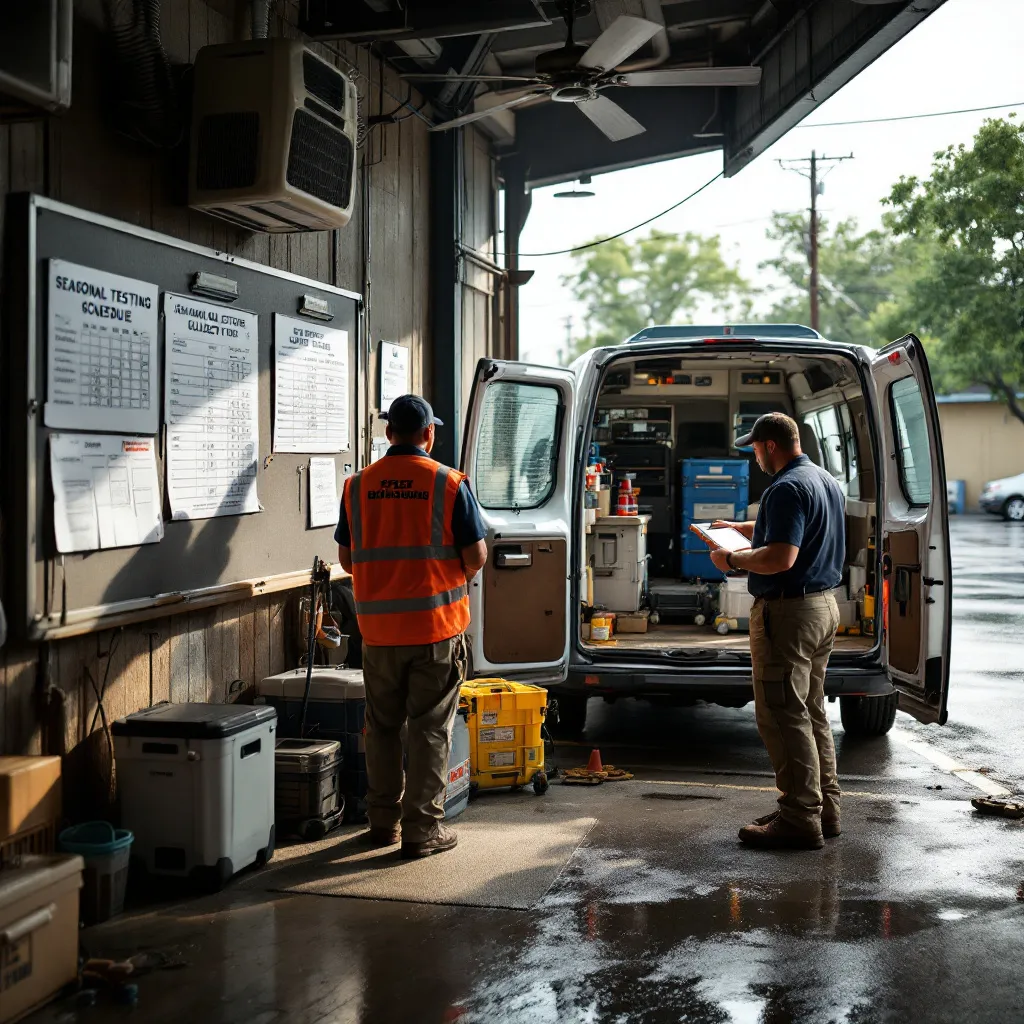
Drivers often worry about logistics and privacy. The testing process in Houston is straightforward and conducted with respect for confidentiality and dignity. Collection sites follow strict chain-of-custody and specimen handling rules, and drivers receive clear instructions about pre-test behaviors and what constitutes a confirmed positive result. If a driver has a legitimate prescription or medication concern, trained medical review officers evaluate documentation to ensure fair outcomes and protect patients’ rights.
Local advantages and practical considerations in Houston
Houston’s infrastructure and medical community make DOT testing accessible, with numerous certified collection sites and occupational clinics familiar with industry needs. Working with a local clinic means faster turnarounds and staff who understand regional employment patterns and the challenges of commercial driving in heavy urban traffic. For employers coordinating multiple drivers, having a nearby testing partner minimizes downtime and helps maintain predictable operations. I recommend that fleets set clear policies and schedule testing during less busy periods to reduce disruption.
Beyond logistics, education plays a big role. Drivers who receive clear explanations about the purpose of testing and the consequences of non-compliance tend to respond more positively. Safety conversations, when led by clinicians or safety officers who understand the driver’s perspective, can reduce anxiety and create a cooperative atmosphere that supports long-term compliance and wellness.
Another practical benefit is the integration of testing results into broader health and safety programs. When employers link testing with DOT physicals, training, and wellness resources, they create a comprehensive system that benefits the workforce and the bottom line. These programs are particularly effective when they include confidential pathways for drivers to seek help for substance use disorders without fear of immediate job loss, provided they follow return-to-duty requirements where applicable.
In the middle of your compliance plan, you may find it helpful to have a reliable local partner for ongoing needs. That’s why many operators in Harris County and surrounding areas turn to clinics that specialize in occupational services, and many refer drivers to resources focused on education and rehabilitation in addition to testing. Clinicians who handle both physicals and drug testing can streamline paperwork and reduce administrative friction, creating a smoother experience for employers and drivers alike. For trusted local options, consider scheduling a consultation with dedicated providers who understand commercial driving realities and regulatory demands, including how to interpret results and manage follow-up care. One reliable resource for this is DOT Drug Testing, which serves Houston drivers and employers with comprehensive services.
Common questions about testing accuracy and confidentiality
Testing accuracy and privacy are among the top concerns I hear from drivers and managers. Labs that process DOT specimens follow rigorous accreditation standards and use confirmed testing methods to minimize false positives. When there is a question, a medical review officer provides an additional layer of protection by reviewing medical histories and prescriptions before any adverse employment action occurs. Confidentiality is enforced at every step of the process; only individuals with a need to know receive test outcomes and related documentation.
Frequently Asked Questions
Q: What substances are covered by DOT tests? A: DOT tests screen for controlled substances specified by federal guidelines, and testing panels are updated as regulations change. If you have specific questions about medications, speak with the clinic or your medical review officer.
Q: How quickly are results reported? A: Turnaround times vary by lab and whether confirmatory testing is required, but most standard negative results are reported rapidly. Positive initial results trigger a confirmatory process before any final reporting.
Q: Can a driver refuse testing? A: Refusal has serious consequences under DOT rules and for employment, so drivers are strongly advised to comply and to discuss any concerns upfront with their employer or the testing clinic.
Q: What if I use prescription medication? A: Disclose prescriptions during the review process; a medical review officer evaluates whether legitimate medical use explains a test result and can prevent inappropriate penalties.
Q: How often are random tests conducted? A: Employers in safety-sensitive industries often run random testing programs; the frequency is typically established by company policy and regulatory minimums.
Bringing together medical expertise, regulatory knowledge, and local Houston experience makes DOT testing a practical tool to protect drivers, employers, and the public. If you’re managing a fleet, supervising drivers, or preparing for your next DOT physical, it’s wise to partner with clinicians who know the rules and understand the challenges of commercial driving in our city. To learn more about how to set up or improve testing programs, contact a specialized clinic and ask about their integrated DOT services, including guidance on compliance and return-to-duty protocols.
Ready to make compliance and driver safety a priority for your team? Connect with our local experts for streamlined, confidential testing and support. Schedule your next DOT physical and testing appointment with trusted providers who serve Houston’s commercial driving community: DOT Drug Testing. We’ll help you maintain compliance and keep your drivers safe on the road.
Texas DOT Physicals
11811 East Fwy # 230, Houston, TX 77013, United States
Phone: +1 (877) 792-5546