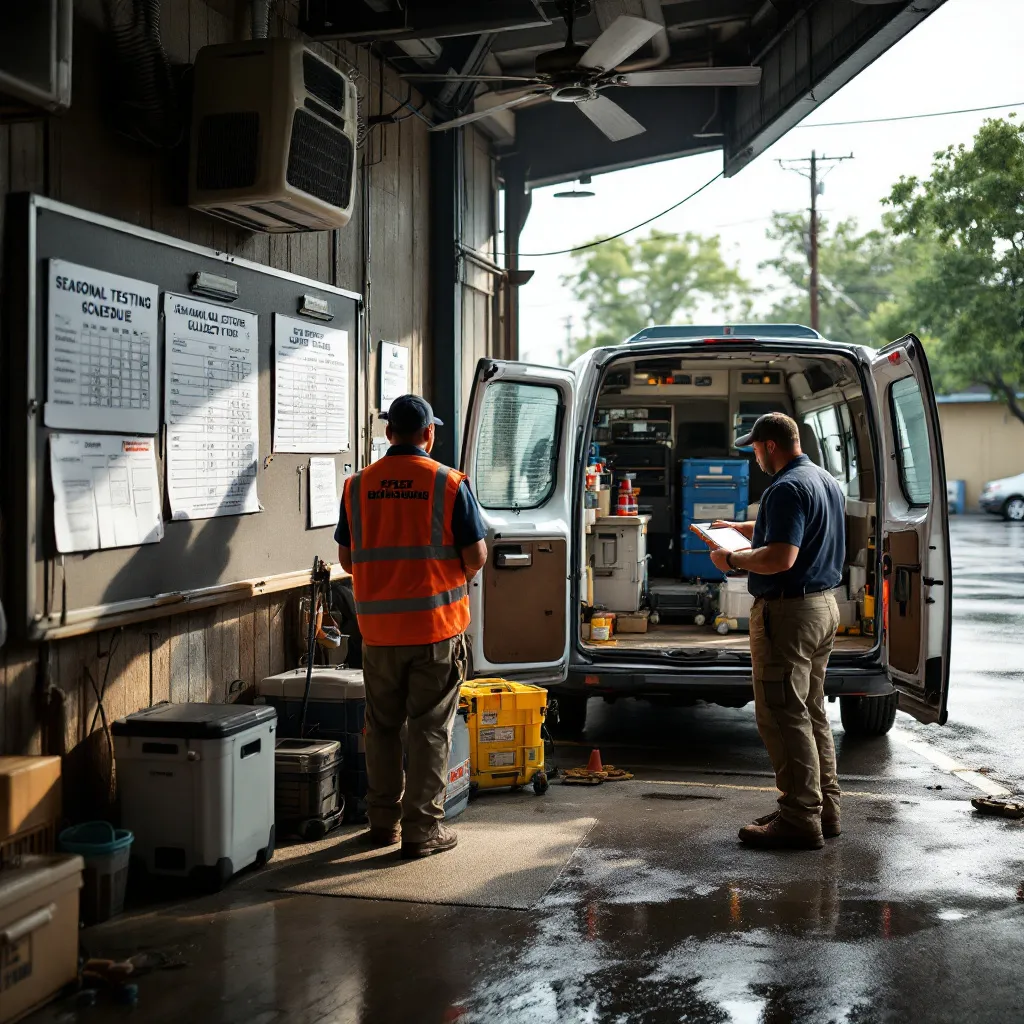



DOT Drug Testing Trends Affecting Houston Texas Transportation Workers
As a Houston-based DOT physical and commercial driver health expert, I talk to truckers, fleet managers, and transit operators every week about changes on the road. One recurring topic is DOT Drug Testing, and how evolving regulations, new substances of concern, and local industry shifts are affecting transportation workers across Harris County and beyond. In this article I’ll walk through the practical implications of recent trends, explain what drivers and employers should expect, and offer clear steps to help you stay safe and compliant.
DOT Drug Testing: What Houston Drivers Need to Know
Understanding the basics remains essential. DOT drug testing programs are federal requirements for safety-sensitive transportation employees, and they are administered in ways that can feel technical or even intimidating unless you’ve had professional guidance. In Houston, with our busy ports, refinery traffic, and long-haul corridors, adherence to testing rules protects both individual careers and public safety. I’ve worked with dozens of drivers who thought a single mistake wouldn’t matter, only to discover the long-term consequences of a positive test or improper documentation.
New Substances and Testing Technology
Testing panels and the sensitivity of assays continue to change. Labs are detecting lower levels of certain substances and adding new analytes to more comprehensive panels. While the core DOT panel remains focused on several controlled substances, state and employer programs are sometimes broader. From my clinic’s perspective, this means drivers need updated education on over-the-counter medications, prescription interactions, and the risks of nonprescribed substances. Employers, meanwhile, should work with their consortiums and Medical Review Officers to ensure testing protocols reflect both safety goals and fair treatment of employees.
How Trends Affect Employers, Fleets, and Drivers
Smaller carrier operators in Houston often ask whether changes will create new administrative burdens or liability. The short answer is yes, if you aren’t proactive. Increased testing sensitivity can raise more questions for Medical Review Officers and may require employers to strengthen their drug-free workplace policies, training, and documentation. For drivers, the practical impact is straightforward: maintain clear records of prescriptions and legal medical treatments, communicate with your prescribing physician about your safety-sensitive duties, and use certified clinics for DOT testing and physicals. If you’re unsure where to start, local resources and occupational health clinics can help coordinate testing requirements and return-to-duty plans.
Practical Steps to Stay Compliant and Healthy
There are simple, effective habits drivers and employers can adopt today. First, keep an up-to-date medication list and inform your employer or the Medical Review Officer if you take a prescription that could trigger a positive result. Second, use certified testing facilities and follow collection procedures exactly—errors in specimen handling can cause delays or retests. Third, invest in ongoing training so that safety-sensitive employees understand the rationale behind testing and the consequences of noncompliance. For Houston drivers who want direct help, scheduling routine DOT physicals and consulting with a local occupational health clinic reduces the risk of surprises.
When carriers update their policies, they often include links to trusted local providers; I encourage Houston transportation professionals to review those resources carefully. If you need a reliable source for compliance-oriented services, consider scheduling a consultation about DOT Drug Testing to align your practices with current expectations and reduce downtime after positive results or administrative holds.
Industry Context and Local Insights
Houston’s transportation ecosystem is uniquely complex. Between port logistics, intrastate short-haul work, and long-haul operations, the kinds of exposures and on-the-job stresses drivers face influence their health and compliance risk. In community outreach, I emphasize mental health and fatigue management as part of a comprehensive safety program—both factors that indirectly reduce the likelihood of substance misuse. Employers who foster open communication and provide access to occupational health services usually see better safety records and lower turnover.
Frequently Asked Questions
Q: What substances are covered under DOT testing and should I worry about nonprescription drugs? A: The DOT panel targets specific controlled substances; however, some employers test more broadly. Nonprescription or herbal products can sometimes cause unexpected results, so always check with your provider if you have concerns.
Q: Can a prescription medication disqualify me from driving? A: Some medications can, depending on their effects. The key is documentation and a clear medical evaluation. Discuss your duties with the prescribing physician so they can recommend safe alternatives if necessary.
Q: How quickly should I act after a positive test? A: Prompt communication with your employer, Medical Review Officer, and a certified occupational clinic is critical. Many drivers successfully return to work after following the required evaluation and rehabilitation steps.
Q: Are saliva and hair tests used for DOT purposes in Houston? A: The DOT has specific rules about specimen types; urine testing is most common for federal programs. Some employers may use alternative specimen types for non-DOT screening.
Keeping up with trends in testing technology and local industry practices is less about fear and more about preparedness. When drivers and employers approach DOT requirements as part of a broader safety culture, the result is reduced incidents, fewer regulatory headaches, and healthier careers across the region.
For Houston drivers and fleet managers ready to take practical steps, contact our office to review testing procedures, schedule a certified DOT physical, or discuss return-to-duty plans. I can guide you through documentation, MRO communication, and prevention strategies related to DOT Drug Testing, helping you minimize risk and stay on the road.
Texas DOT Physicals
11811 East Fwy # 230, Houston, TX 77013, United States
Phone: +1 (877) 792-5546