

DOT Drug Testing Common Issues for Houston Texas Fleets
As a Houston-based DOT physical and commercial driver health expert, I see the same themes come up when fleet managers bring questions about DOT Drug Testing compliance. In the first call we often cover practical realities—what drivers need to know, how to document results, and how to avoid common errors that trigger violations. When fleets understand the process and one clear local resource, they reduce risk and keep drivers on the road safely. Early in our conversations I usually recommend they review testing workflows and consider a trusted partner like DOT Drug Testing to streamline steps and improve accuracy.
Understanding DOT Drug Testing requirements and why they matter
The federal regulations are precise about who must be tested, the types of tests required, and the timelines for pre-employment, random, post-accident, reasonable suspicion, return-to-duty, and follow-up testing. For Houston fleets this means being ready for inspections and audits from state and federal agencies. Errors in collection procedures, missing chain-of-custody forms, or incorrect specimen handling are common pitfalls. I explain these technical elements to safety managers in plain language so they can implement clear internal policies that match federal expectations without creating unnecessary complexity for drivers.
Operational issues I see frequently in Houston fleets
Day-to-day problems usually stem from process gaps: inconsistent driver communication, unclear roles for who schedules tests, and inadequate documentation. Some companies rely on informal procedures that work until they don’t—then an audit reveals inconsistencies. Another recurring issue is misunderstanding the scope of random testing pools and how they are selected. Drivers and supervisors need straightforward training, and managers need reliable partners to handle specimen collection and reporting. Working with local providers reduces turnaround time and makes remediation faster when issues arise. Mid-size and smaller fleets often benefit most from an on-call resource they trust.
Common collection and lab-reporting mistakes
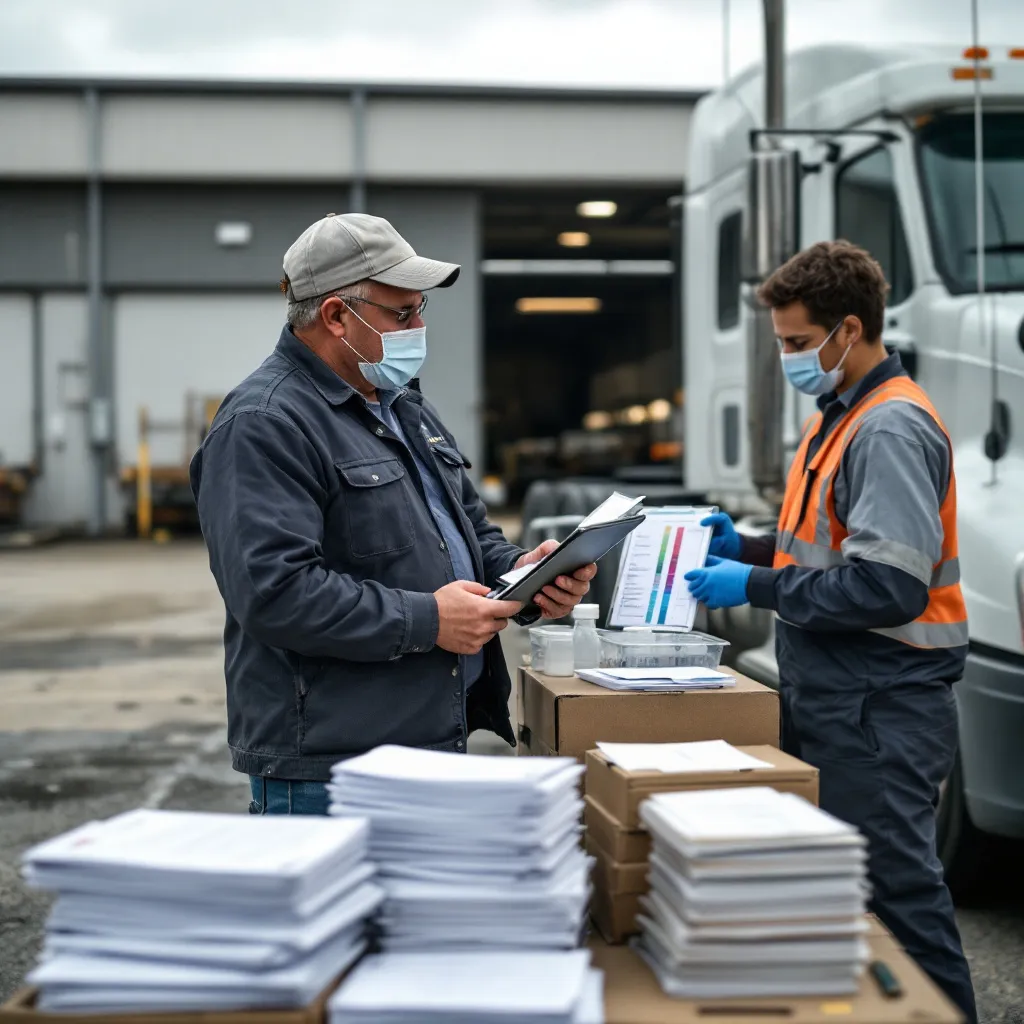
Collecting specimens according to protocol is critical. Problems include improper temperature readings, incomplete donor IDs, and not following the chain-of-custody steps that labs require. Once a specimen leaves the collection site, labs will reject samples that don’t meet strict criteria. That rejection can trigger retests and delays that disrupt schedules and increase administrative burden. To avoid these outcomes I advise fleets to standardize forms, train collection staff thoroughly, and partner with labs and service providers who communicate quickly. A reliable partner such as DOT Drug Testing can help reduce these lab-reporting headaches through consistent procedures and clear follow-up.
Training, documentation, and maintaining a compliant program
Training isn’t a one-time checklist; it’s an ongoing habit. Drivers should understand what to expect during each type of test and why compliance protects their livelihoods and public safety. Supervisors must be confident identifying signs of impairment and documenting reasonable suspicion with specificity. Accurate recordkeeping—retention schedules, test results, and retrieval processes—is often the deciding factor during an audit. I coach local fleet teams on pragmatic documentation practices that satisfy regulators while minimizing paperwork fatigue for drivers and staff.
Adapting to local conditions in Houston
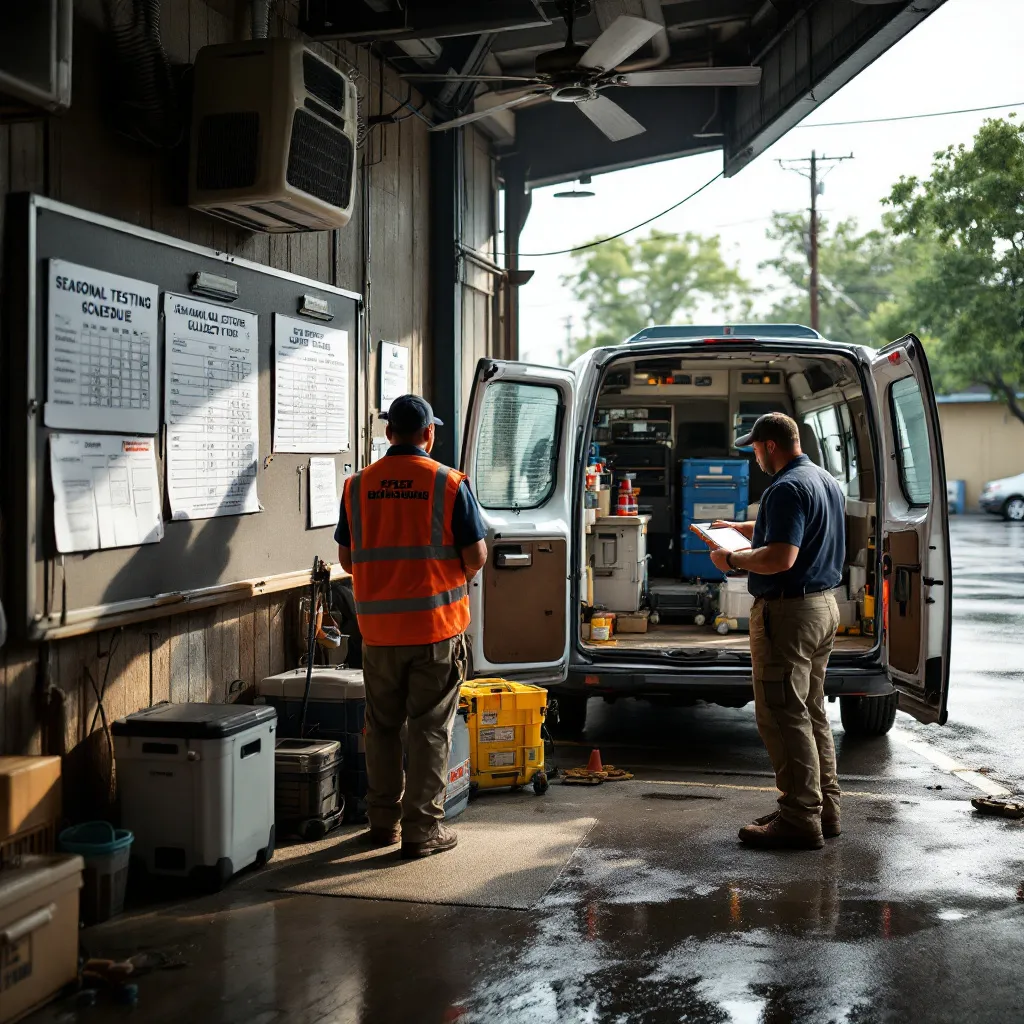
Houston presents unique operational realities: long-haul drivers dealing with port traffic, regional weather disruptions, and rapid staffing changes in some sectors. These factors increase the need for flexible testing arrangements and contingency plans. Building relationships with local clinics, training staff in rapid response procedures, and scheduling regular reviews of your testing program are proven ways to mitigate downtime. A local expert perspective can identify small but meaningful adjustments—like alternative collection windows or mobile collection options—that keep your fleet moving and compliant.
Frequently asked questions
Q: How often should my drivers be tested under DOT rules?
A: Frequency depends on the type of test required: pre-employment, random, post-accident, reasonable suspicion, return-to-duty, and follow-up all have defined triggers. Random testing percentages are set by regulation and updated periodically, so managers should confirm current rates and ensure eligible drivers are in the random pool.
Q: What should I do if a test is rejected by the lab?
A: Treat a rejected specimen as a process failure: document the reason, inform the driver, and arrange a valid recollection as required. Investigate the cause—improper collection, temperature, or paperwork—and adjust your procedures or training to prevent recurrence.
Q: Can local clinics help reduce turnaround time?
A: Yes. Clinics experienced with commercial programs understand the urgency of fast, accurate results. They can provide clearer instructions, prioritize same-day processing for urgent cases, and maintain tighter communication with employers during follow-up steps.
For Houston fleet managers who want practical, local support, the right partner makes compliance manageable and keeps drivers focused on safety and delivery. If you want clear, experienced guidance on setting up or improving your testing program, reach out to a trusted local provider. For dedicated assistance with policies, training, and reliable specimen collection, consider DOT Drug Testing—we can help you build a program that fits Houston operations and protects your drivers and business.
Texas DOT Physicals
11811 East Fwy # 230, Houston, TX 77013, United States
Phone: +1 (877) 792-5546