


Why DOT Drug Testing Is Important for Houston Texas Workplaces
As a Houston-based DOT physical and commercial driver health expert, I often tell employers and drivers that DOT Drug Testing is a cornerstone of safe, compliant operations. In a city like Houston, where transportation, construction, and logistics keep our economy moving, understanding how drug testing protects employees, the public, and a company’s reputation makes a tangible difference in day-to-day decisions.
DOT Drug Testing: What Employers and Drivers Should Know
DOT-regulated testing is not about punishing people; it’s a safety tool grounded in federal regulations and practical experience. From pre-employment screens to random testing, post-accident evaluations to return-to-duty protocols, these programs exist to reduce the risk of impairment behind the wheel or at a worksite. I explain these elements to employers in Houston with a focus on clear procedures, chain of custody, and the role of the Medical Review Officer. When everyone understands the why and how, testing becomes part of a broader culture of safety rather than an adversarial process.
How Testing Protects Your Workforce and Community
When I visit job sites and talk with fleet managers, I emphasize that reliable testing protects both individual drivers and the community. An impaired operator can cause life-changing accidents, and the business impact can be immediate and severe. Regular testing deters use, helps identify employees who need help, and supports early intervention. In my practice, I’ve seen companies that invest in consistent testing programs experience fewer incidents and improved safety metrics over time. That outcome benefits families, co-workers, and Houston neighborhoods served by these drivers.
What the Process Looks Like in Real Life
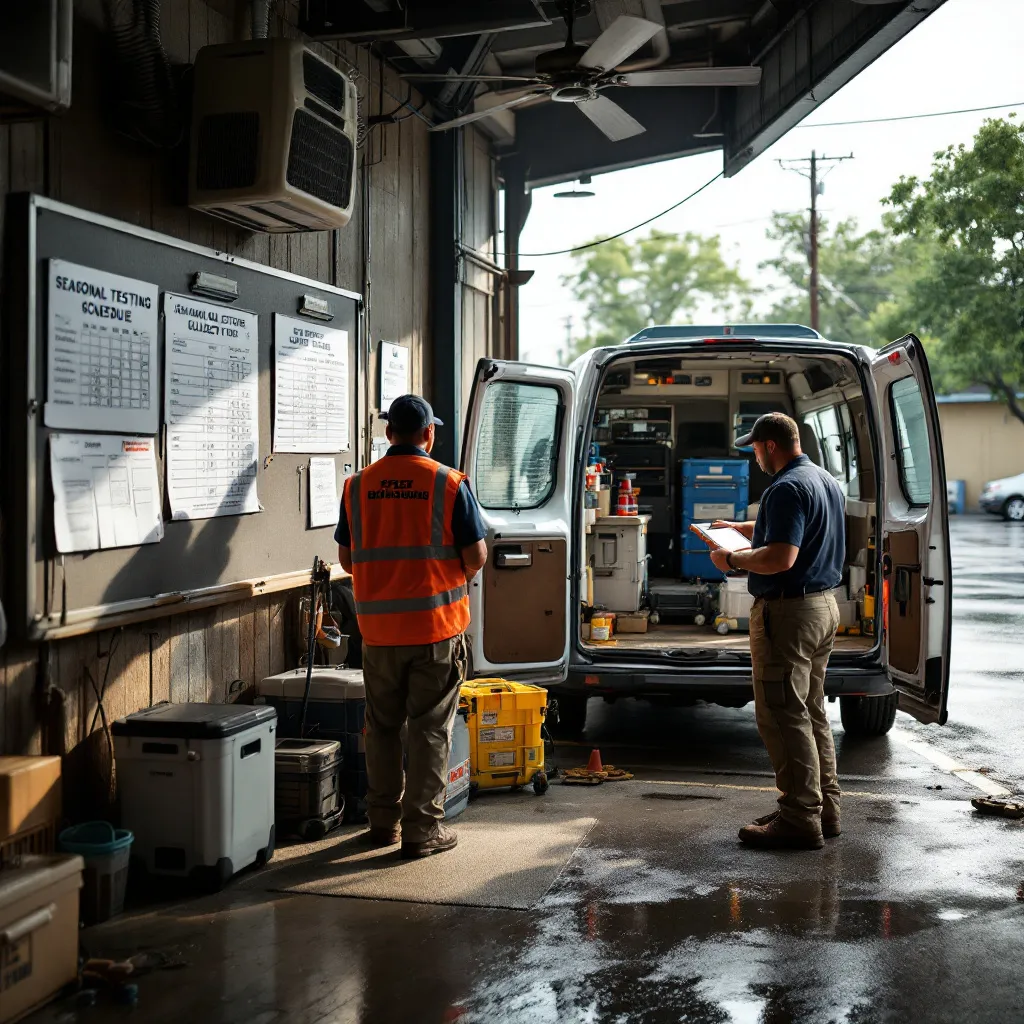
Procedures matter. A compliant DOT drug testing program follows strict steps: proper identification, observed or unobserved collection as required, secure handling of specimens, timely laboratory analysis, and review by an MRO. Employers should expect thorough documentation and confidentiality. I coach supervisors on recognizing reasonable suspicion and handling post-accident evaluations with care and respect, because a well-run process protects employee rights while meeting legal obligations. Transparency and training reduce anxiety and improve cooperation among staff.
Common Questions About Compliance and Confidentiality
One of the most frequent concerns I hear in Houston is how testing results are handled. Federal rules require privacy and specify who may see results. The Medical Review Officer serves as an important intermediary to verify legitimate medical explanations for certain findings. Employers should avoid ad hoc conversations about results and instead lean on established policies. Training for managers on confidentiality and documentation is as critical as the testing itself—this protects everyone involved and keeps the program defensible if questions arise.
Another practical concern is accessibility. Employers want testing that fits schedules and minimizes downtime. A local testing provider that understands Houston’s rhythms can arrange on-site or near-site collections, making it easier to maintain random testing pools and respond promptly after incidents. When systems are efficient, compliance becomes part of normal operations rather than an administrative burden.
For companies that need a trusted local partner, I point them toward services that combine clinical knowledge with practical logistics. Good providers help with carrier onboarding, documentation, and follow-up care for employees who test positive, connecting them with substance abuse professionals rather than simply terminating employment when recovery and return-to-duty are viable options. These compassionate, compliant approaches both protect public safety and support workers in getting help.
In my experience, employers who invest in education—about effects of substances on performance, about how DOT programs operate, and about resources for treatment—see better long-term results. This educational component fosters a culture where safety is a shared value, not just a checklist. It’s especially important in Houston’s diverse workforce, where clear communication in the right languages and contexts builds trust.
Frequently Asked Questions
Q: How often are drivers tested under DOT rules? A: Drivers may be subject to pre-employment, random, post-accident, reasonable suspicion, return-to-duty, and follow-up testing depending on their duties and any incidents. Federal regulations set testing triggers and minimums.
Q: What does a positive result mean for a driver? A: A confirmed positive is reviewed by the Medical Review Officer, who checks for legitimate medical explanations before reporting. Positive results typically require referral to a qualified substance abuse professional and completion of the return-to-duty process before the driver resumes safety-sensitive duties.
Q: Can employers do testing themselves? A: Employers coordinate testing but must use certified laboratories and follow DOT procedures. Training supervisors to recognize impairment and document suspicion accurately is essential, but collection and lab analysis must meet federal standards.
Q: How does confidentiality work? A: DOT rules limit disclosure of testing records to those with a legitimate need to know. Employers must keep results secure and share them only in accordance with regulations and company policy.
Q: Where can I get compliant testing in Houston? A: Choose a local provider familiar with DOT rules, chain-of-custody procedures, and quick turnaround times to keep your operations running and your workforce safe.
If you want to make compliance straightforward and protect your team, reach out to trusted local services that handle the logistics and medical oversight. For many Houston employers I work with, centralized support makes random selections, collections, and MRO reviews easier to manage, which is why I recommend established partners when they ask where to begin. One reliable option in our area for scheduling and information is DOT Drug Testing, which understands both federal requirements and local needs.
Protecting your drivers and the public starts with clear policies, regular training, and consistent testing. If your company needs guidance on building or refining a program, or if you’re a driver with questions about what to expect, call or schedule with a local DOT physical provider. For direct assistance and to arrange services tailored to Houston operations, visit our testing page at DOT Drug Testing. Our team helps employers stay compliant while supporting employees through evaluation and recovery when needed.
Texas DOT Physicals
11811 East Fwy # 230, Houston, TX 77013, United States
Phone: +1 (877) 792-5546