

DOT Drug Testing Requirements for Truck Drivers in Houston Texas
As a local DOT physical and commercial driver health expert in Houston, I understand how vital DOT Drug Testing is to keeping our roads safe and your career on track. Whether you’re new to driving commercially or a seasoned driver renewing credentials, the process can feel complex. I’ll walk you through what to expect, why each step matters, and how Houston drivers can smoothly comply with federal and state regulations. If you need a reliable local provider, consider DOT Drug Testing at a facility that knows the city and the rules.
DOT Drug Testing: Overview for Houston Truck Drivers
The Federal Motor Carrier Safety Administration (FMCSA) sets the standards for commercial driver testing, and DOT Drug Testing refers to the federally regulated screening for substances like marijuana, cocaine, amphetamines, opioids, and phencyclidine. These tests are not simply about compliance; they are public safety measures designed to reduce accidents caused by impairment. In Houston, where long hauls, heavy traffic, and tight delivery schedules increase risk, maintaining a clean record and a compliant testing routine is essential for drivers and employers alike.
When and Why You’ll Be Tested
Commercial drivers face several categories of DOT testing: pre-employment, random, post-accident, reasonable suspicion, return-to-duty, and follow-up. Pre-employment testing confirms that a driver is clear before they start; random testing acts as a deterrent and a continual check; post-accident testing looks for impairment as a potential cause; and reasonable suspicion testing is performed when a supervisor reasonably believes a driver is impaired. Return-to-duty and follow-up testing are part of the process when a driver has previously tested positive and must re-enter the workforce under monitoring. Each category is governed by precise FMCSA rules to protect both driver rights and public safety.
How the Testing Process Works in Practice
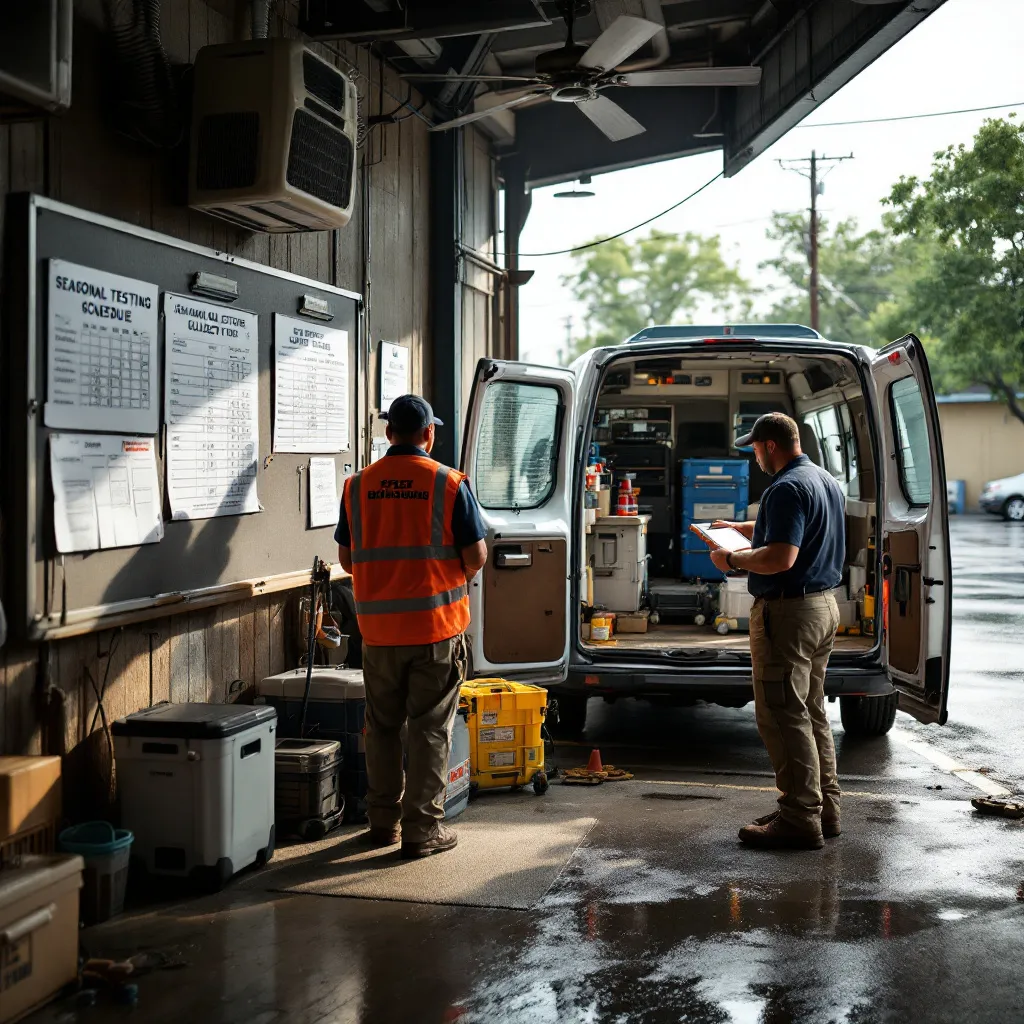
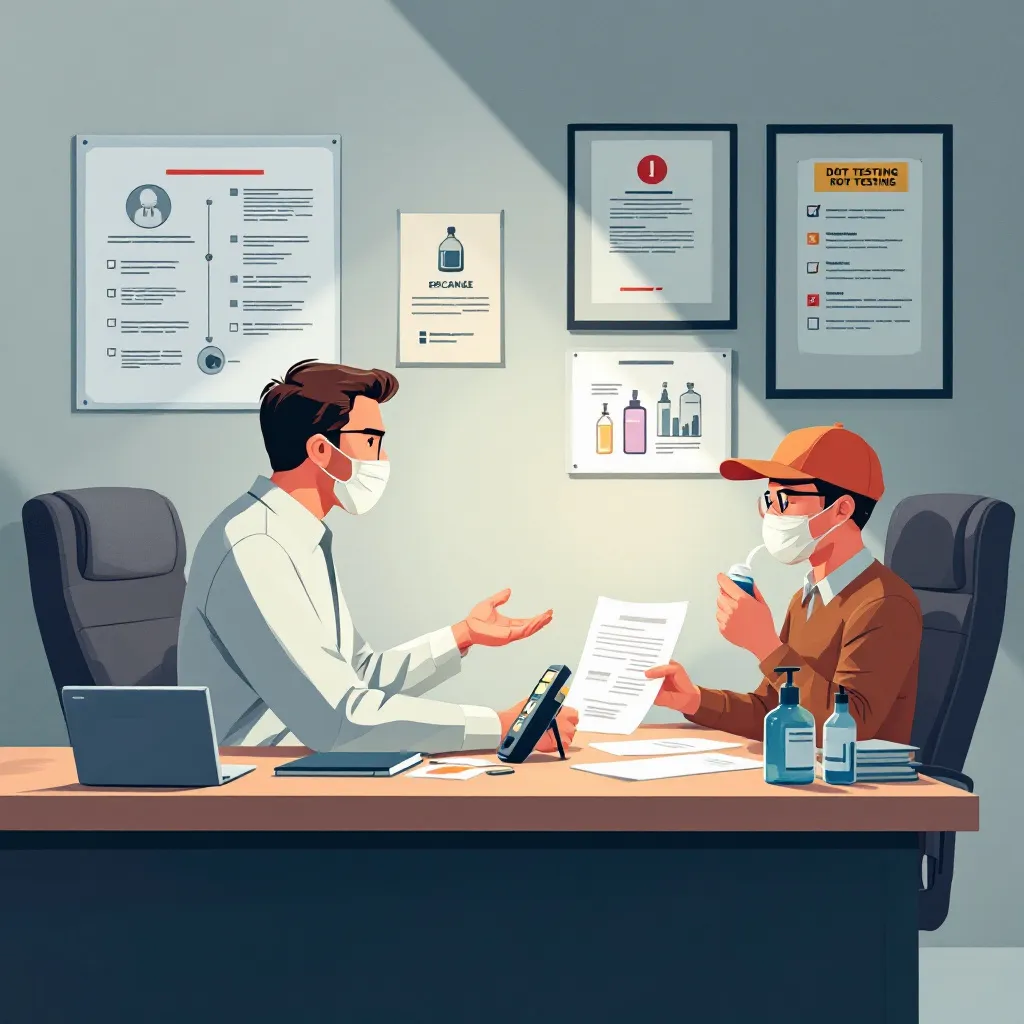
The mechanics of DOT Drug Testing are tightly controlled to preserve integrity. Most drug tests are urine-based and use a two-step process: an initial immunoassay screen followed by a confirmatory test such as gas chromatography-mass spectrometry if needed. Alcohol testing is typically handled with breathalyzers. A certified collector follows strict chain-of-custody procedures to prevent contamination or adulteration. If a specimen returns a positive result, a Medical Review Officer (MRO) reviews the lab findings and speaks with the driver to determine if there is a legitimate medical explanation, such as a prescribed medication. Confidentiality is upheld throughout, with results shared only with authorized parties.
What Drivers Should Bring and Expect at Testing
When you arrive for DOT Drug Testing in Houston, bring a valid photo ID, your CDL information, and any documentation related to prescribed medications that might impact results. Expect the collector to verify your identity, explain the process, and request the sample under supervision or with specific procedures to ensure validity. The collector will complete the required paperwork and send the specimen to a certified laboratory for analysis. Turnaround times vary, but you should be notified promptly if there are any issues with your test or if an MRO needs to contact you for clarification.
Local Considerations for Houston and Texas Drivers
Houston drivers should be aware of both federal rules and the local context. Texas law interacts with but does not replace FMCSA standards, so even if state statutes change around certain substances, commercial drivers must follow federal DOT Drug Testing requirements for fitness-for-duty assessments. Traffic patterns, extreme weather, and regional employer policies can also influence how often testing occurs and how quickly results are needed. For many drivers, having a trusted local partner who understands Houston logistics makes the process less stressful and more reliable. If you’re looking for a dependable local testing option, DOT Drug Testing services in our area are equipped to handle the federal procedures correctly and respectfully.
Common Concerns: Privacy, Treatment, and Job Security
Drivers often worry about how a test result will affect their careers. The MRO role is crucial here—if there is a legitimate medical reason for a positive result, the MRO can verify prescriptions and prevent unwarranted disqualification. If a test is confirmed positive without a valid medical explanation, employers are required to follow DOT rules for removal from safety-sensitive duties and offer information about return-to-duty programs, including substance abuse professionals and treatment options. Confidentiality of results is maintained under federal law, and employers must handle all documentation according to regulatory guidelines.
FAQ
What substances are screened in DOT Drug Testing?
DOT Drug Testing typically screens for marijuana (THC), cocaine, amphetamines and methamphetamines, opioids (including heroin and certain pain medications), and phencyclidine (PCP). Alcohol is checked separately with breath testing for alcohol concentration.
How often can I be tested?
Testing frequency varies by category. Random testing is scheduled throughout the year and selected drivers can be tested at any time. Employers must comply with the FMCSA minimums for random testing rates, while post-accident or reasonable suspicion tests occur as incidents or observations dictate.
If I test positive, what are my options?
If a result is confirmed positive, the MRO will first review any legitimate medical explanations. If no valid explanation exists, the driver will be removed from safety-sensitive functions and referred to a substance abuse professional for evaluation and the return-to-duty process. Successful completion of treatment and a negative return-to-duty test are required before resuming duties.
How do I prepare for a DOT drug test?
Bring valid identification and documentation for any prescriptions. Avoid using non-prescribed drugs and follow employer policies. Inform the collector or MRO about any legitimate medications that could affect results before testing.
If you need clear, professional DOT Drug Testing guidance and testing close to Houston’s ports, terminals, and major freight routes, contact our clinic to arrange FMCSA-compliant services. We provide experienced collectors, timely processing, and supportive MRO follow-up to help you stay compliant and on the road. Schedule your DOT Drug Testing with us today at a trusted local facility and let our team help you navigate the requirements with confidence. DOT Drug Testing
Texas DOT Physicals
11811 East Fwy # 230, Houston, TX 77013, United States
Phone: +1 (877) 792-5546