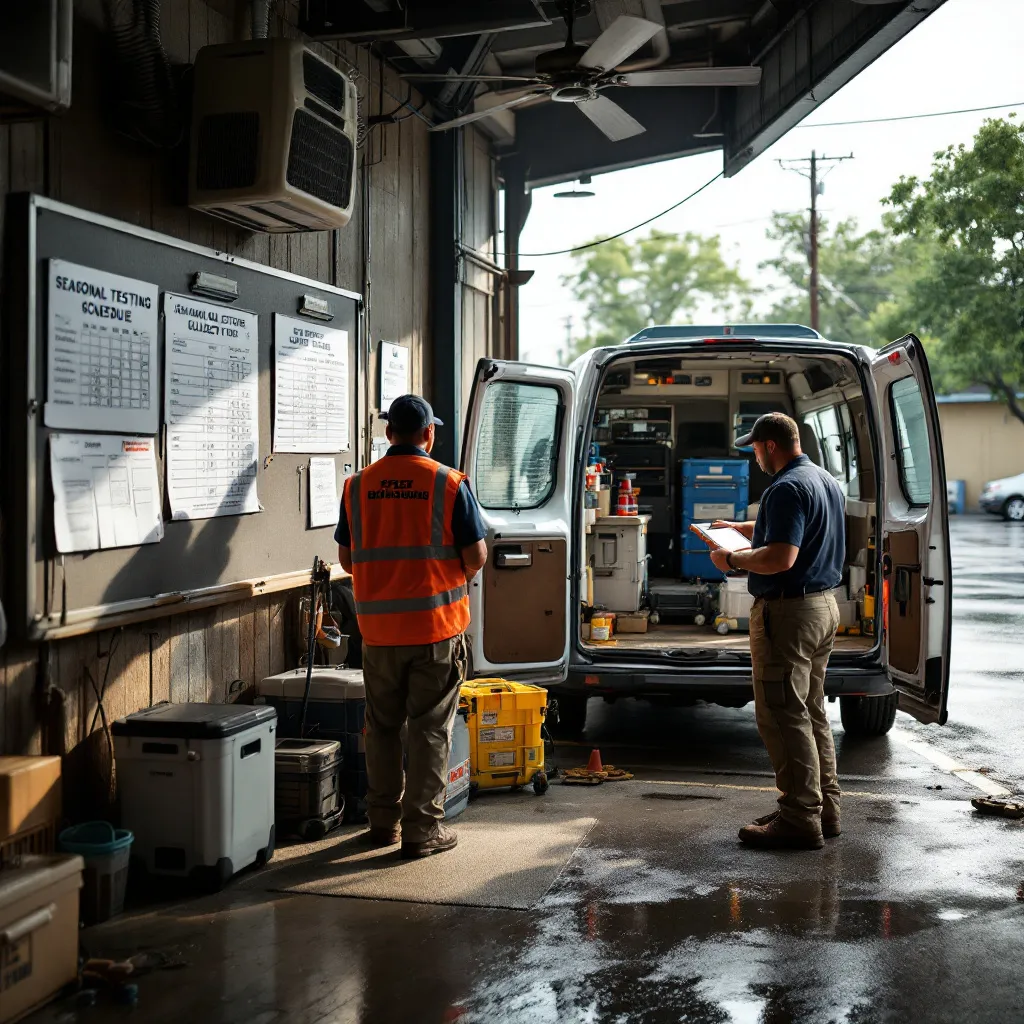



DOT Drug Testing Maintenance Tips for Houston Texas Safety Programs
As a Houston-based DOT physical and commercial driver health expert, I often speak with employers who want straightforward, practical advice on maintaining a safe, compliant workplace. Whether you manage a small local fleet or coordinate drivers across the Gulf Coast, consistent attention to testing procedures matters. One of the foundational elements of any safety program is DOT Drug Testing, and in this article I’ll walk through maintenance tips that fit the realities of Houston operations, including seasonal challenges, driver turnover, and local regulatory expectations.
DOT Drug Testing: Maintenance and Compliance in Houston
Maintaining a DOT Drug Testing program starts with understanding federal guidelines and translating them into day-to-day practices. In Houston, weather events and a high-traffic port economy mean schedules change frequently and urgency can push routines aside. I recommend creating a clear, documented testing protocol that outlines who is responsible for scheduling, which forms are used, and how results are communicated while preserving confidentiality. When managers and safety coordinators know their exact roles, compliance becomes a predictable part of operations rather than something handled ad hoc.
Creating a Reliable Schedule and Tracking System
Consistency is the simplest form of prevention. Establish a recurring schedule for random testing pools and annual reviews, and use a digital tracking system that flags upcoming deadlines and paperwork expirations. Choose a centralized file—secure and accessible to authorized personnel—that records chain-of-custody forms, medical review officer (MRO) communications, and return-to-duty documentation. In Houston, where drivers may work different shifts, a cloud-based tracker helps ensure no one slips through the cracks because managers can review records remotely and coordinate collection sites efficiently.
Training, Communication, and Driver Support
A testing program is only as strong as its people. Provide regular, practical training for supervisors on recognizing impairment indicators and the correct steps to initiate testing. Communicate testing expectations clearly to drivers during orientation and at periodic safety meetings so there are no surprises. Emphasize support: make sure drivers know about employee assistance programs and medical resources. That balance—enforcement with assistance—keeps morale up and encourages early reporting of issues before they become safety incidents.
Equipment, Vendor Management, and Quality Control
Work with reliable collection sites and certified laboratories, and verify their credentials and turnaround times. Keep a checklist for on-site supplies if you host collections, including blank forms and privacy barriers, and verify calibration or expiration dates on any testing equipment you manage. Periodically audit your vendor processes to confirm chain-of-custody practices and result accuracy. In Houston’s busy environment, a one-time vendor misstep can cascade into compliance headaches, so routine quality control measures are a worthwhile investment.
Recordkeeping, Privacy, and Legal Considerations
Federal rules require careful record retention and protected handling of medical information. Confirm that your privacy policies align with DOT standards and that access to sensitive records is limited to personnel with a legitimate business need. Establish a clear retention schedule that spells out how long test records, negative and positive results, and related documentation are stored. This reduces risk in audits and protects employees’ rights while providing the evidence you need to demonstrate compliant practices during inspections.
Real-World Tips from Houston Practices
From my work in the area, I’ve seen small adjustments make a big difference. For example, coordinating with local collection sites to reserve morning slots for drivers can minimize missed tests, and keeping a small “pop-up” kit for documentation helps teams manage unexpected on-site collections. Another effective approach is conducting quarterly scenario-based reviews with supervisors to rehearse proper test referrals and documentation. These practical habits reduce stress during actual incidents and help maintain an organized, defensible program. For help finding local testing partners or refining your processes, consider resources that specialize in Texas regulations, such as DOT Drug Testing, which can connect you with compliant testing workflows tailored for Houston fleets.
Monitoring, Continuous Improvement, and Preparedness
Compliance is not a one-time checklist; it’s an ongoing cycle of monitoring, feedback, and adjustment. Establish performance indicators—like test completion rates, incident response times, and documentation accuracy—and review them regularly to identify areas needing attention. Conduct mock audits to test your readiness for a DOT inspection and update procedures based on lessons learned. In a busy market like Houston, staying proactive will prevent small gaps from becoming large compliance issues and will protect both your drivers and your company’s reputation.
Frequently Asked Questions
Q: How often should drivers be tested under DOT rules? A: DOT testing frequency varies by program type—pre-employment, post-accident, reasonable suspicion, random, and return-to-duty are common categories. Your program should map these categories to your operational needs and federal requirements.
Q: What records must be retained for DOT testing? A: Maintain records of test results, chain-of-custody forms, MRO determinations, and communications related to return-to-duty for the durations required by DOT regulations. Keep these records secure and accessible for audits.
Q: Can employers perform their own on-site tests? A: Employers may coordinate on-site collections if they use certified collectors and follow chain-of-custody and privacy rules. Most choose accredited third-party collection sites to minimize liability and ensure consistency.
Q: How should employers handle a positive result? A: Follow DOT procedures: remove the driver from safety-sensitive duties, refer them to a qualified substance abuse professional (SAP) for evaluation, and follow return-to-duty processes. Maintain clear documentation of each step.
If your Houston operation needs hands-on guidance to refine testing schedules, audit processes, or train supervisors, it helps to work with local experts who understand the intersection of federal rules and community realities. For direct assistance scheduling testing, resources, or a program review, contact our team—our office partners provide tailored advice for local fleets and individual drivers. You can learn more about services and testing options at DOT Drug Testing, and we’re ready to help you implement practical, compliant solutions that fit Houston’s unique needs.
Texas DOT Physicals
11811 East Fwy # 230, Houston, TX 77013, United States
Phone: +1 (877) 792-5546