


Why DOT Drug Testing Is Critical in Houston Texas Workplaces
As a Houston-based DOT physical and commercial driver health expert, I often speak with company safety managers and drivers about why routine DOT Drug Testing matters. In this city where freight moves through busy ports, refineries, and highways, keeping everyone safe on and off the road is a practical obligation and a legal requirement. DOT Drug Testing reduces risk, supports responsible hiring, and preserves the health of drivers who keep Houston’s economy moving.
DOT Drug Testing and federal expectations
Federal regulations outline clear expectations for employers who operate in safety-sensitive transportation roles. These standards are designed to prevent impaired operation of commercial motor vehicles and to maintain public confidence in our transportation systems. As someone who performs DOT physicals, I see firsthand how thorough testing, paired with medical evaluations, not only satisfies regulatory obligations but also prevents avoidable incidents that can harm drivers and the community.
How testing protects drivers, companies, and the public
Testing programs are more than a checkbox for compliance. When implemented thoughtfully, they are part of a broader safety culture that emphasizes prevention and early intervention. Drivers benefit from clear expectations and access to help if substance misuse is identified. Employers benefit from reduced turnover, fewer incidents, and a stronger safety record. The public benefits because safer drivers mean fewer collisions and disruptions on Houston roads.
Designing a sensible local testing program
Creating an effective program means balancing federal rules with practical, Houston-specific considerations: shift patterns, long haul vs. local routes, and access to reliable testing centers. I always recommend working with local providers who understand the nuances of commercial driving in our region. A good partner will make scheduling tests straightforward and explain the steps after a non-negative result so drivers and employers know what to expect.
What to expect during the testing process
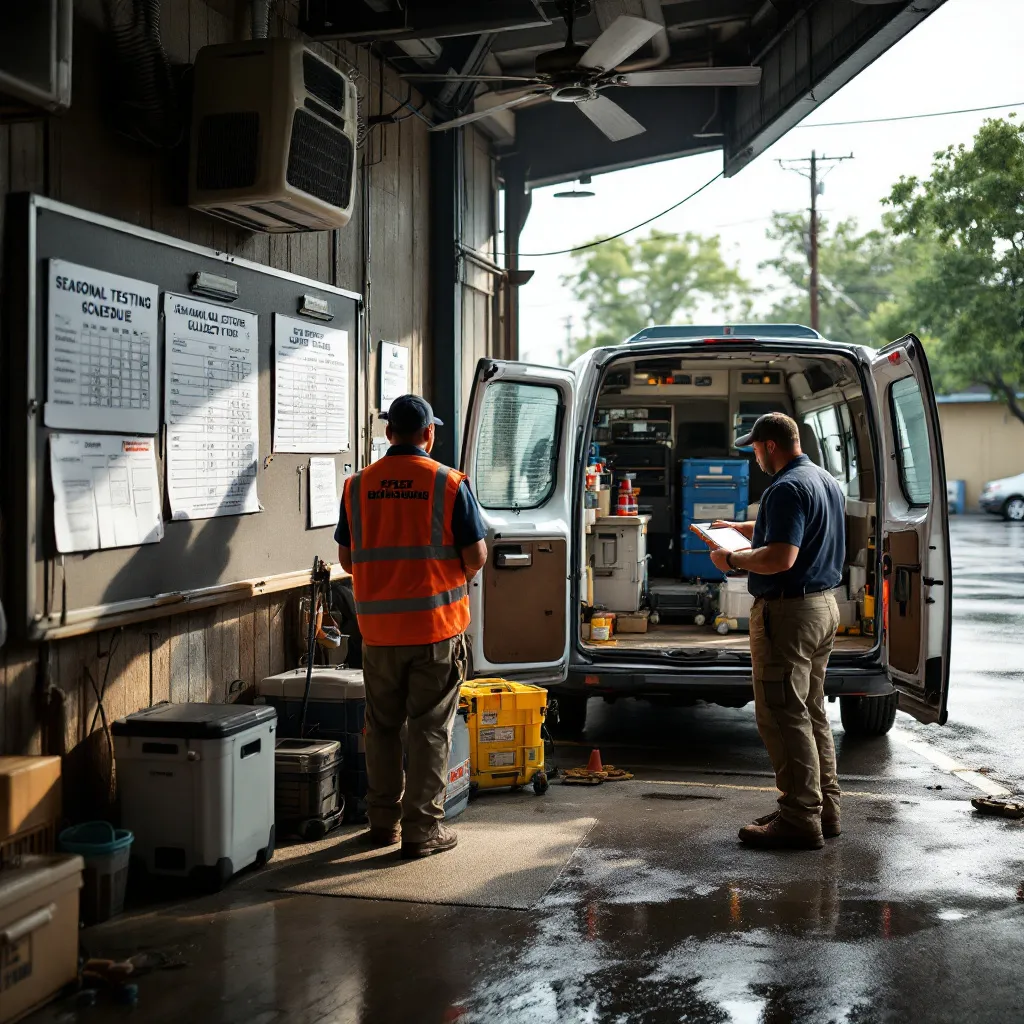
The process typically includes pre-employment screens, random testing, post-accident testing, reasonable suspicion tests, and return-to-duty evaluations as required. Each step is handled with professionalism and confidentiality. Clear communication helps drivers feel respected during testing and ensures employers maintain accurate records. For many Houston fleets, a local testing partner that understands both logistics and the human side of testing makes compliance easier to sustain.
Working with trusted local providers
Selecting a provider who knows Houston’s tempo matters. When you choose a reputable clinic, you get reliable chain-of-custody management, timely results, and staff experienced with DOT forms and documentation. That local relationship can reduce downtime for drivers and help maintain steady operations across city routes and longer regional runs. If you want screening that aligns with federal rules and local needs, consider a provider with experience in both.
How employers should support drivers beyond testing
Testing should be part of a comprehensive safety and health program that includes education, access to treatment resources, and a clear policy that emphasizes safety first. Drivers do best when they know the program is fair and that help is available. Employers who invest in training, support, and consistent enforcement build stronger teams and safer fleets in the long run.
Routine maintenance of compliance
Compliance isn’t static. Regulations change, staffing changes, and new safety challenges emerge. Regular reviews of policies and procedures, periodic staff training, and staying current with guidance help keep programs effective. In Houston’s fast-moving transport environment, keeping a pulse on compliance keeps operations smoother and safer.
FAQ: Can employers require testing?
Yes. Employers with safety-sensitive functions covered by DOT regulations are required to maintain testing programs as specified by federal agencies. These programs are legal when implemented according to the rules and when employees are informed through clear policies.
FAQ: What happens after a non-negative test result?
When a test is non-negative, there are established follow-up steps including confirmatory testing, evaluation by a Medical Review Officer (MRO), and, when necessary, referral to a qualified substance abuse professional for assessment before any return-to-duty decision is made.
FAQ: How often are drivers tested?
Frequency depends on program type: pre-employment, reasonable suspicion, post-accident, random, and return-to-duty all have different triggers. Random testing percentages are set by federal rule and can be adjusted annually, so employers must stay informed.
FAQ: How does testing protect driver privacy?
Testing programs must follow strict chain-of-custody and confidentiality procedures. Results are shared only with authorized personnel, and medical information is managed according to privacy regulations and DOT guidance.
When you need a local partner who understands the practicalities of DOT testing in Houston, trust a team that combines medical expertise with hands-on experience. Scheduling and smooth logistics are essential—reach out to set up program evaluations, training, or to arrange compliant screening through our experienced clinic. For trusted, accessible screening in the Houston area, consider DOT Drug Testing as part of a comprehensive safety strategy to keep drivers and communities safe.
Texas DOT Physicals
11811 East Fwy # 230, Houston, TX 77013, United States
Phone: +1 (877) 792-5546