


Common DOT Drug Testing Issues and Solutions in Houston Texas
As a Houston-based DOT physical and commercial driver health expert, I often get questions about DOT Drug Testing and the common problems employers and drivers face here in the Gulf Coast environment. When your livelihood and public safety depend on a clean, compliant testing program, understanding typical pitfalls and practical fixes can save time, reduce liability, and keep drivers on the road. Early communication, clear policies, and trained collection staff make all the difference in avoiding the headaches that come with non-compliance.
DOT Drug Testing: Common Challenges in Houston
One of the most frequent issues I see involves collection errors. In busy clinics or mobile collection events, technicians might miss required steps in the chain of custody documentation or fail to follow temperature and sealing procedures precisely. These small missteps can lead to an invalid test result, delays, or a need to recollect, which frustrates drivers and employers alike. Another recurring challenge is specimen tampering or adulteration, sometimes driven by misunderstanding, sometimes by intentional attempts to avoid detection. Finally, administrative problems—late submissions to the laboratory, incomplete identification, or miscommunication with the Medical Review Officer (MRO)—create confusion and unnecessary follow-up actions.
Why these problems occur and how to prevent them
Understanding the root causes helps craft effective prevention strategies. Training is the first line of defense: collectors who are regularly trained on Department of Transportation protocols know how to document properly, control the collection environment, and spot potential issues. Clear company policies communicated to drivers reduce accidental non-compliance; when drivers know what medications or supplements must be reported and how to disclose prescriptions to an MRO, many follow-up headaches disappear. From the employer perspective, partnering with reputable collection facilities and experienced MRO services prevents many procedural errors. In Houston, where demand for testing services can surge, scheduling and staffing coordination also matter—avoid last-minute rushes that increase the chance of mistakes.
Practical solutions for employers and drivers
Employers should build a culture of compliance rather than relying solely on punishment. That means offering straightforward information sessions about testing expectations, medication reporting, and the consequences of refusal. For drivers, keeping an up-to-date list of prescription medications and a brief note from your prescribing clinician can expedite MRO reviews if a test flags a legitimate medication. For collection sites, investing in quality control—regular audits, refresher training, and standardized forms—reduces variability. When a test result is disputed, a calm, methodical approach with proper documentation and timely communication with the MRO and laboratory typically resolves most concerns without escalating to disciplinary action.
How local factors in Houston affect testing
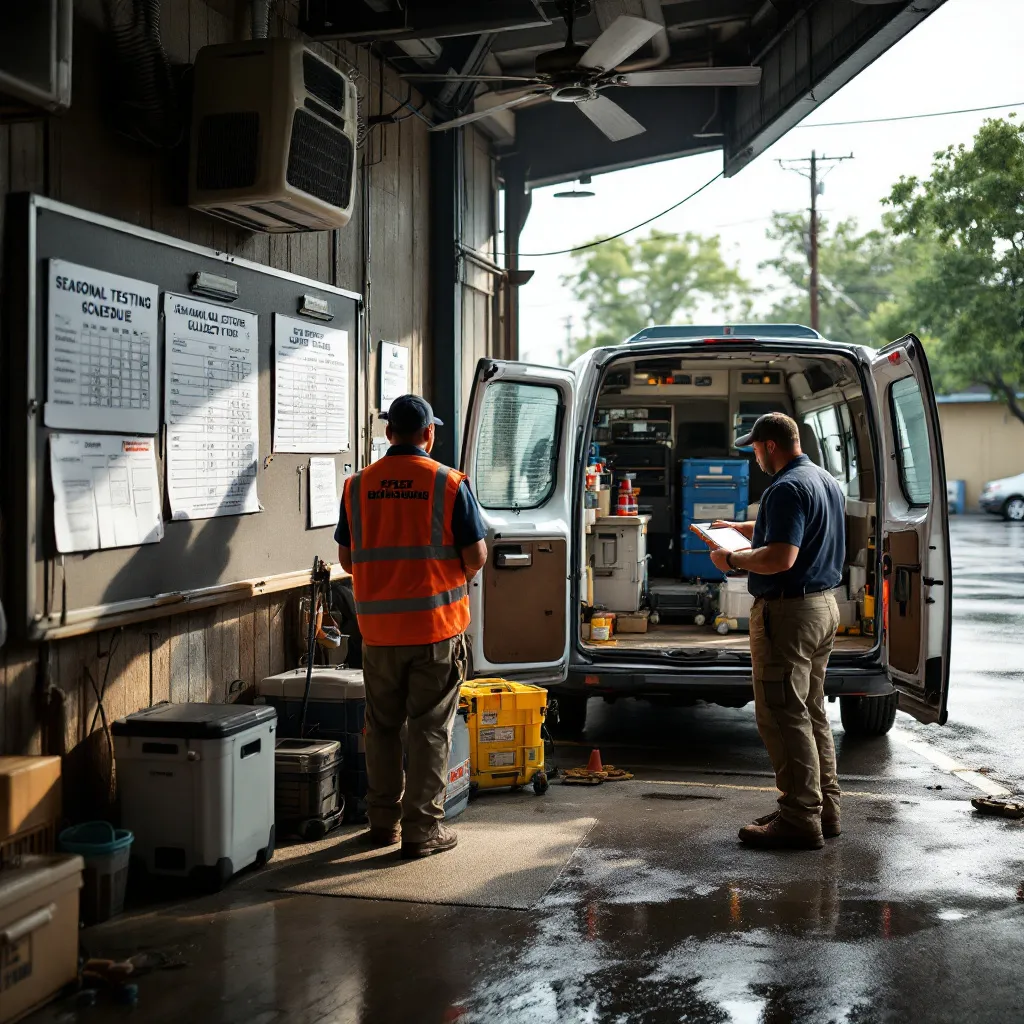
Houston’s climate and industry mix introduce specific considerations. Heat can affect specimen temperature readings, so collectors must be vigilant about controlled storage and quick transport to the lab. Port, rail, and construction industries in the area also create high volumes of random and post-incident testing, increasing the need for mobile collections and flexible scheduling. For employers operating across multiple sites, centralizing testing policies and using trusted vendors with reliable logistics prevents inconsistent practices that could trigger regulatory scrutiny. Local knowledge matters: clinics familiar with Houston workflows can advise on peak times, best practices for mobile units, and how to coordinate with company safety officers.
When to involve the Medical Review Officer and labs
Early involvement of the MRO is crucial when a test is non-negative or otherwise uncertain. The MRO’s job is not adversarial; it’s to verify legitimate medical explanations and ensure the DOT’s standards are met. If a driver reports a prescription that could explain a positive result, provide documentation promptly. Likewise, if a lab reports an unexpected result or an invalid test, a methodical review of chain-of-custody documents, collection notes, and any observed anomalies should come first. Many disputes are resolved at this level without regulatory reporting because the MRO validates a legitimate medical explanation.
Mid-article resources and coordination
For employers and drivers who want local support and clarity on procedures, working with a reliable testing partner reduces uncertainty. Our clinic focuses on clear communication, fast turnaround for paperwork, and helping safety managers understand their responsibilities. If you need a straightforward place to start with scheduling, compliance questions, or training, consider reaching out to a trusted local resource like DOT Drug Testing to discuss tailored solutions and next steps for your fleet or individual drivers.
Frequently Asked Questions
Q: What should I do if I miss a scheduled DOT test? A: Notify your employer immediately and reschedule as directed. Document your attempts to comply and follow company policy to avoid a refusal designation.
Q: Can over-the-counter medications cause a positive DOT test? A: Most standard DOT panels do not respond to common OTC drugs, but some substances and herbal supplements can interfere with assays. Always disclose medications to the MRO when asked.
Q: How long does it take to get results? A: Lab turnaround varies, but employers often receive initial results within a few days. Confirmatory testing and MRO review can add time, so plan accordingly and communicate with your testing provider.
Q: What is an invalid test and how is it handled? A: An invalid test can result from collection errors, adulteration, or specimen issues. The usual remedy is a recollection under direct observation or further laboratory analysis, guided by DOT rules.
Next steps to stay compliant and protect your career
If you want practical, local help to prevent common testing problems and to streamline your compliance program, start with clear policies and a reliable testing partner. For direct assistance with scheduling, training, or understanding DOT requirements, contact our team — we work with drivers and employers across Greater Houston to minimize disruption and keep operations safe. To get started, reach out to DOT Drug Testing and we’ll help you design a plan that fits your needs and keeps your drivers on the road.
Texas DOT Physicals
11811 East Fwy # 230, Houston, TX 77013, United States
Phone: +1 (877) 792-5546