


Preparing For A DOT Drug Testing Inspection In Houston Texas
As a local DOT physical and commercial driver health expert in Houston, I know inspections can feel overwhelming, but preparation makes all the difference. Whether you manage a fleet or are a safety manager, understanding how to navigate a DOT Drug Testing inspection will reduce stress and help you protect drivers and your company’s compliance record.
DOT Drug Testing: Preparing Your Houston Fleet
Preparing for an inspection starts with clear policies and consistent communication. I advise managers to review their drug and alcohol testing policy regularly and to make sure every driver has easy access to it. Training sessions that cover testing procedures, what constitutes a refusal, and how to report a workplace incident should be scheduled and documented. In Houston, where traffic patterns and long hauls can add fatigue, reinforcing a safety-first mindset helps drivers stay engaged and compliant.
What Inspectors Look For
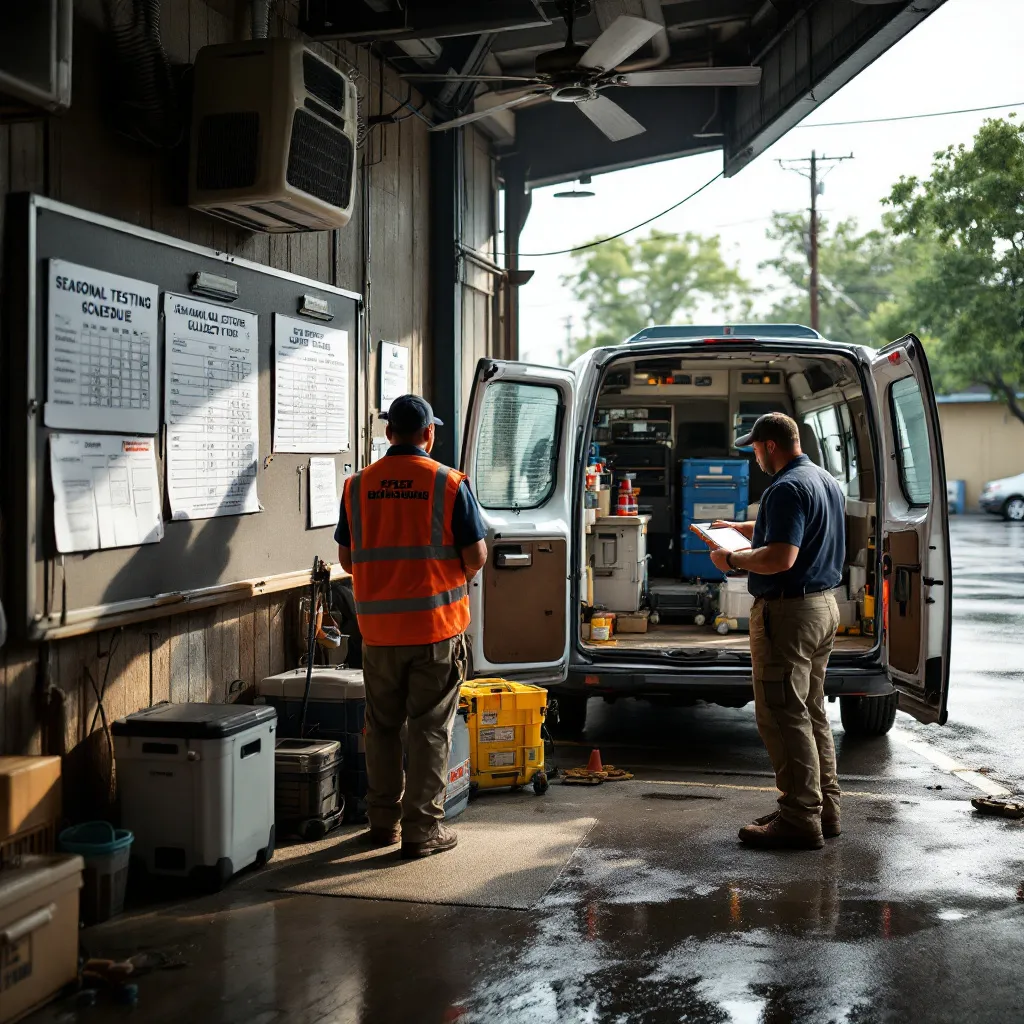
During a DOT inspection, officers focus on documentation and chain-of-custody procedures. They will check that your testing provider relationships are current and that records of past tests, including pre-employment, random, reasonable suspicion, and post-accident tests, are complete and accessible. Good recordkeeping demonstrates that your program was consistently applied; poor or missing documentation is often what leads to violations rather than the test results themselves. In my experience, having a single, organized file system for drug testing records makes a huge difference.
Chain of Custody and Specimen Collection
Inspectors will verify that specimen collection followed DOT protocol. That means the proper forms were used, identification of donors was handled correctly, and collectors followed observation and privacy rules as required. Partnering with a reliable collection site and training supervisors on the notification and escort procedures ensures collectors and company representatives know their roles. If you need a dependable local resource for coordination and compliance, consider established local services that specialize in DOT testing and support.
Maintaining communication between your office, collection sites, and Medical Review Officers prevents delays and confusion. Timely reporting and accurate record entry are concrete actions that show you take DOT requirements seriously. Periodic mock inspections and paperwork audits in your office are practical, low-cost measures to uncover gaps before an official review.
Common Pitfalls and How to Avoid Them
Common problems include expired service agreements, incomplete test forms, and supervisors unfamiliar with reasonable suspicion procedures. Another frequent issue is failing to follow up on returned laboratory results or not documenting corrective actions. Address these by setting calendar reminders for contract renewals, conducting regular supervisor training, and assigning a compliance lead who reviews results and ensures follow-through.
Record Retention and Privacy Concerns
DOT rules require certain records be retained for specific periods, and you must protect driver privacy while keeping necessary documentation accessible for inspection. Keep records in a secure location, limit access to authorized personnel, and retain files according to DOT guidelines. A consistent labeling and indexing system for files makes retrieval straightforward during a review and limits the time an inspector spends in your office, which is often appreciated by both parties.
For Houston companies, understanding local collection site availability and laboratory turnaround times helps you set realistic expectations with drivers and dispatchers. Building a relationship with a trusted local provider aids in scheduling random testing, managing return-to-duty procedures, and addressing any questions that arise from drivers or supervisors.
When it comes to testing logistics, a proactive approach means communicating random testing pools clearly, ensuring supervisors know the steps for reasonable suspicion testing, and confirming that collection sites are ready for sudden needs. Planning these logistics in advance reduces missteps during an inspection and shows inspectors your program operates systematically. If your team wants hands-on help navigating these details, a local partner can guide implementation and audit readiness.
FAQ
Q: What triggers a DOT drug testing inspection? A: Inspections can result from routine compliance reviews, post-accident investigations, or as follow-ups to program violations. Random audits also occur to ensure ongoing adherence to rules.
Q: How long should drug testing records be kept? A: Retention times vary by record type; certain records must be kept for one year, others for two or more. Follow DOT retention schedules and consult your compliance lead for specifics.
Q: Can supervisors be trained to recognize impairment? A: Yes. Reasonable suspicion training is required for supervisors who may make testing decisions. Training covers signs of impairment, documentation, and safe procedures for removing a driver from service for testing.
Q: What happens if a driver refuses a test? A: A refusal is treated seriously under DOT rules and typically results in disqualification until the driver completes the return-to-duty process. Ensure your policies outline the refusal procedure and consequences clearly.
Q: How can small fleets stay compliant? A: Small fleets benefit from checklists, scheduled audits, and relationships with experienced collection sites and Medical Review Officers. Outsourcing certain compliance tasks can save time and reduce the risk of overlooked paperwork.
When you’re ready to take the next step, reach out for local support that understands Houston’s commercial driving environment. We can help you fine-tune policies, train supervisors, and prepare for inspections so your team stays ready for every review. For assistance and coordination with testing services, contact our local experts for guidance on DOT Drug Testing and inspection readiness.
As a final note, practical preparedness is the hallmark of a compliant safety program. If you want a tailored assessment of your records and procedures or an on-site mock inspection, let’s schedule a time to review your program and remove uncertainty before an actual DOT visit. We focus on realistic, actionable improvements that fit Houston operations and driver schedules. Learn how our local team supports fleets with routine audits and compliance coaching—reach out for expert help with DOT Drug Testing to keep your drivers safe and your documentation inspection-ready.
Texas DOT Physicals
11811 East Fwy # 230, Houston, TX 77013, United States
Phone: +1 (877) 792-5546