

How Houston Texas Employers Avoid Failed DOT Drug Testing Results
As a local DOT physical and commercial driver health expert in Houston, I’ve worked with employers who want practical, on-the-ground ways to reduce failed tests and keep their teams safe and compliant. Early on I realized that clear communication, well-documented policies and access to reliable testing resources make all the difference. If you’re managing drivers or safety-sensitive roles, understanding the process behind DOT Drug Testing is the first step toward preventing costly mistakes and protecting your workforce.
DOT Drug Testing and Employer Responsibility in Houston
Employers in Houston, TX carry a legal and ethical responsibility to ensure that drivers are fit for duty. That responsibility includes having a robust DOT drug testing program that follows federal guidelines. Beyond the regulations, there’s a local dimension: Houston’s traffic patterns, long haul routes from the Port of Houston, and the region’s heavy freight demands mean employers must be proactive about driver readiness. Establishing a culture where safety and honesty are prioritized reduces the likelihood of unexpected failures and workplace incidents.
Common causes of failed results and how to address them
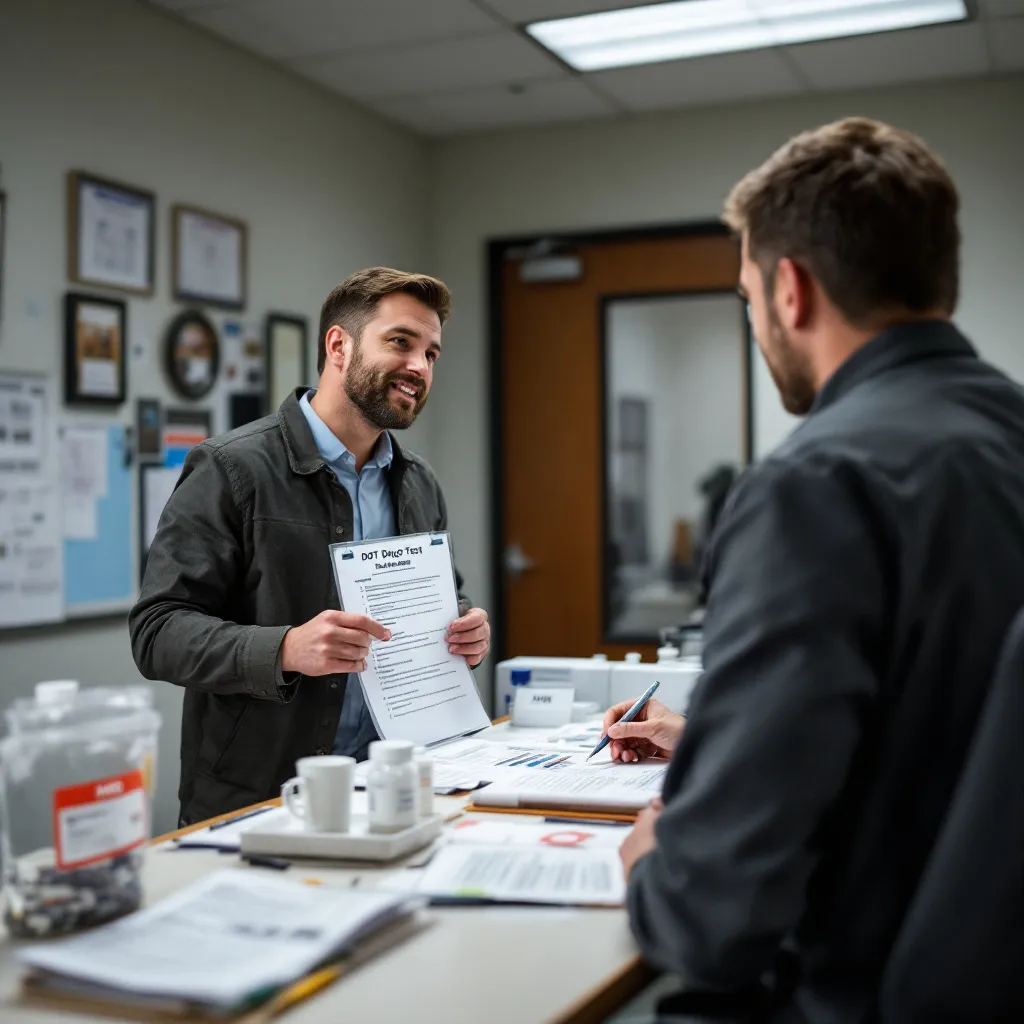
Failed DOT drug tests often stem from a mix of factors: lack of awareness about prohibited substances, off-duty medication misunderstandings, and inadequate pre-employment screening. I frequently see employers and drivers surprised by over-the-counter medications or by legitimate prescriptions that weren’t disclosed properly. The practical remedy starts with education. Train supervisors to recognize signs of impairment and to document observations, and make sure your drug-free workplace policy explains which substances are tested and how medical explanations are handled. When drivers understand expectations and know where to get medically supervised advice, failed results decline.
Best practices for preparing employees and maintaining compliance
From my clinic experience, the strongest programs combine clear policy, regular communication and reliable testing partners. Keep written policies that explain the testing matrix, the MRO (Medical Review Officer) process, and employee rights during a split-specimen confirmation. Encourage drivers to discuss prescriptions with their prescribing clinician and to carry documentation when appropriate. Many Houston employers find success by coordinating with a trusted testing provider and scheduling routine, random testing windows rather than ad hoc procedures. I recommend partnering with clinics that understand local industry and can provide consistent specimen collection standards, and we regularly refer employers to trusted services like DOT Drug Testing when they need seamless coordination.
Testing logistics and what employers can expect
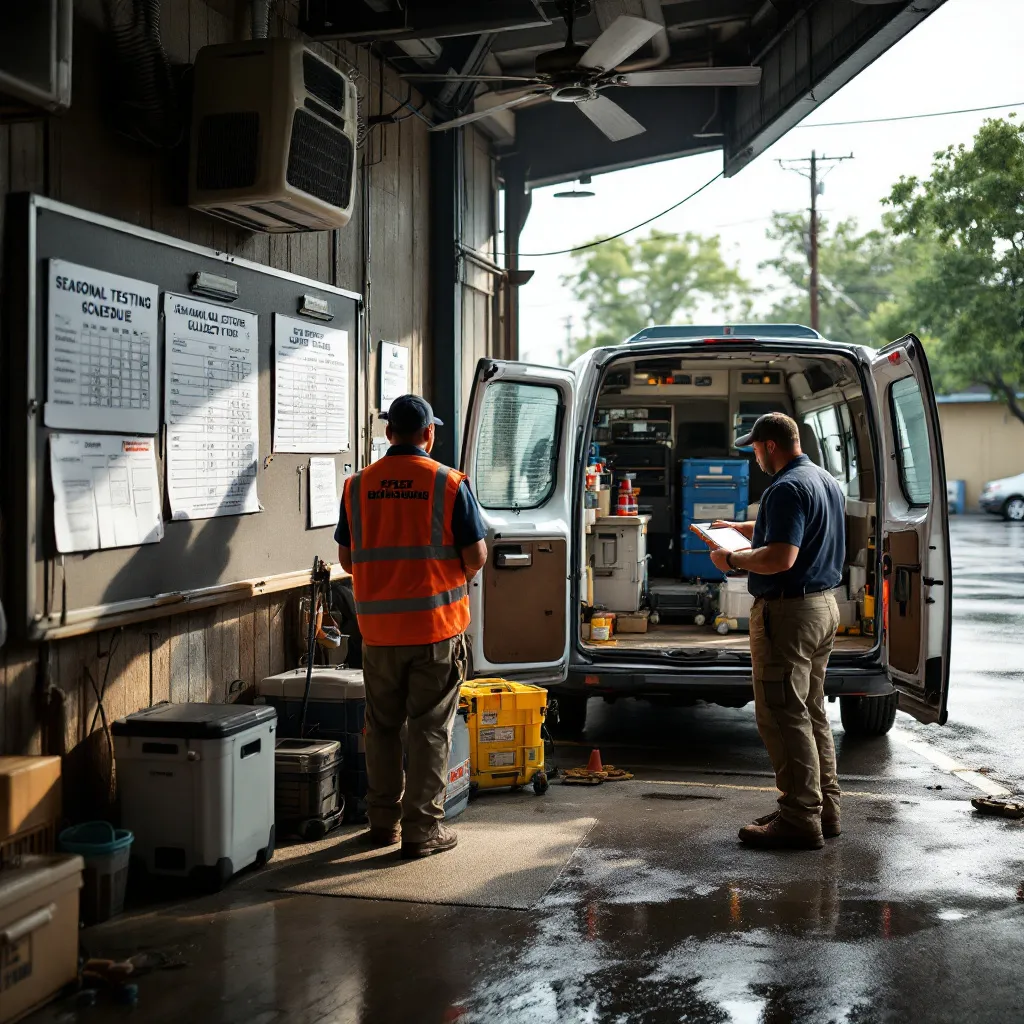
Understanding logistics relieves a lot of employer anxiety. A proper DOT testing event follows strict chain-of-custody protocols, trained collectors and timely lab processing. If a test is reported as non-negative, the MRO will contact the employee to verify prescriptions and medical explanations before a final positive result is returned. Employers should avoid making assumptions about a preliminary result and should wait for the MRO’s final report. Timely communication with the employee, along with an established return-to-duty policy, minimizes productivity disruption while protecting due process.
How to support drivers after a failed test
When a positive result is confirmed, the way an employer responds can either help a driver recover or exacerbate the situation. A consistent, respectful approach includes referring the employee to a Substance Abuse Professional (SAP) when required, documenting each step, and offering resources for treatment and rehabilitation. Many local employers partner with occupational health providers to develop return-to-work plans that meet DOT criteria. Prioritizing safety while offering a pathway to recovery improves retention and demonstrates a commitment to your workforce.
FAQ
Q: What substances are covered in DOT testing? A: DOT panels typically include stimulants, opiates, cannabinoids, cocaine and certain prescription classes. The exact panel depends on the modality of the employee’s work and the governing agency.
Q: How soon are results available? A: Negative results can be returned within a few days, but positives require confirmation testing and a Medical Review Officer review, which can extend the timeline. Employers should plan workflows accordingly.
Q: Can an employer test outside of DOT requirements? A: Yes, employers may have a separate company policy for non-DOT testing, but DOT-regulated drivers must always receive testing that follows DOT protocols for any tests that fall under DOT authority.
Q: What should an employer do if a driver disputes the result? A: Encourage the driver to work with the MRO and pursue a split-specimen test if available. Maintain documentation and follow your policy while the process unfolds.
Q: How often should random testing occur? A: The required random testing rate is set by regulation, but employers can implement more frequent testing within non-DOT programs to support safety goals. Consult your DOT compliance officer for specific percentages and timelines.
For Houston employers, the most effective programs balance compliance, communication and compassion. When you invest time in training supervisors, maintaining clear policies and working with trained collectors and MROs, failed results become less frequent and more manageable.
To take the next step in strengthening your program and protecting drivers on Houston roads, consider arranging a review of your current policies and testing partnerships. Our approach focuses on practical prevention, support for employees, and straightforward compliance guidance. For trusted local testing coordination and consistent, DOT-aligned processes, reach out to learn more about DOT Drug Testing and how it can be integrated into your safety program today.
Texas DOT Physicals
11811 East Fwy # 230, Houston, TX 77013, United States
Phone: +1 (877) 792-5546