


Why DOT Drug Testing Is Essential For Houston Texas Fleets
As a local DOT physical and driver health expert in Houston, I often tell fleet managers that DOT Drug Testing is the backbone of a safe commercial operation. In a city where long hauls, complex traffic patterns, and tight delivery windows intersect, maintaining a rigorous testing program reduces risk, protects drivers, and preserves company reputation. This article walks through why testing matters here in Houston, how it works in real settings, common challenges fleets face, and practical steps you can take to keep your operation compliant and focused on safety.
DOT Drug Testing: Why It Matters for Houston Fleets
Safety is the most immediate reason for testing. Commercial drivers operate heavy machinery on crowded freeways like I-45 and I-10, and impairment can have catastrophic outcomes. Beyond accident prevention, a formal testing program helps fleets comply with federal regulations, including random, pre-employment, post-accident, reasonable suspicion, and return-to-duty testing protocols. When a company demonstrates a strong commitment to testing and driver wellness, it also strengthens relationships with shippers who demand reliable, compliant carriers.
How DOT Drug Testing Works in Practice
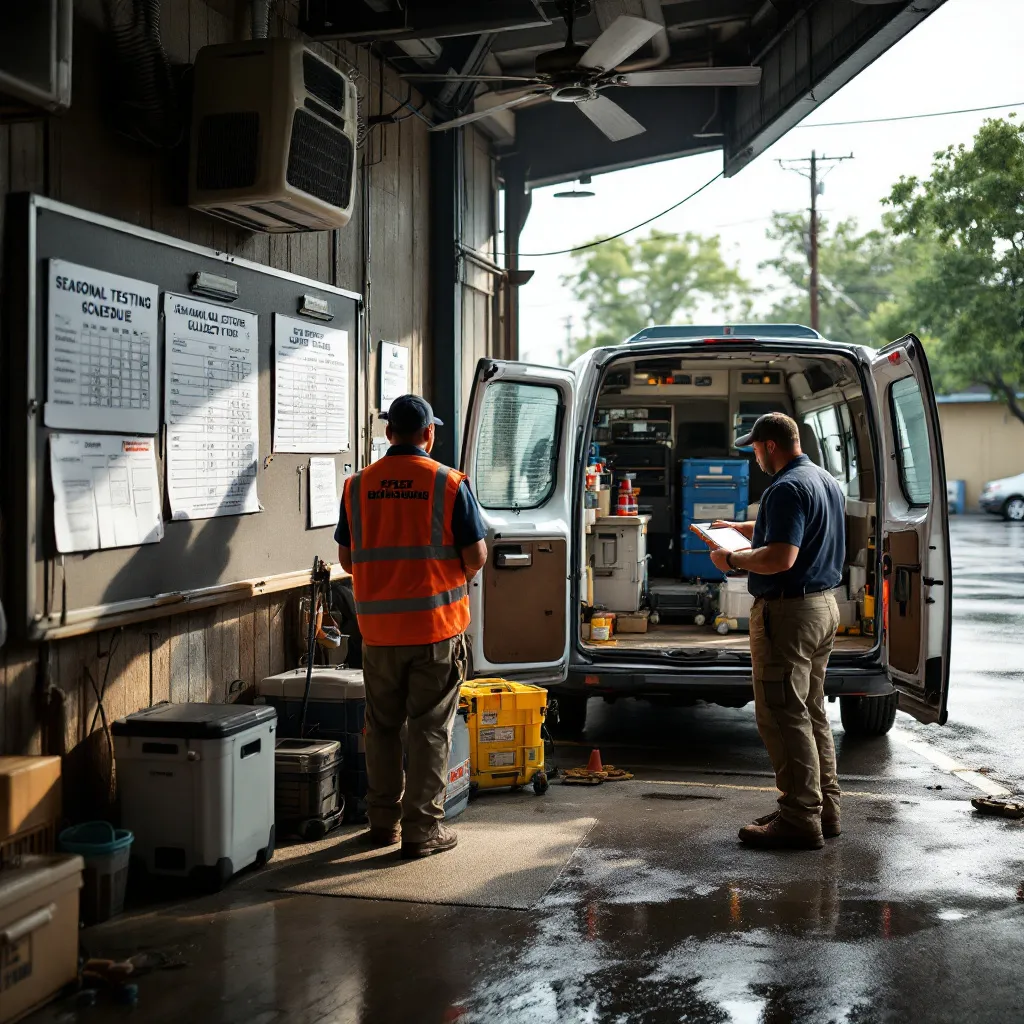
Implementing an effective program is more than scheduling urine or oral fluid collection; it is about creating a culture of safety and clear processes. Testing begins with written policies communicated to every driver. Pre-employment tests filter candidates before they ever sit behind the wheel. Random testing, which must be truly random, deters use by creating an unpredictable element. Post-accident and reasonable suspicion testing are reactive layers that help identify and remedy issues swiftly. In Houston, where turnaround times and route changes are common, coordinating testing with local collection sites and certified labs is essential to avoid operational disruption and to ensure results are handled correctly.
Recordkeeping plays a critical role. DOT requires meticulous documentation, and mistakes in handling or reporting can lead to violations that haunt a fleet during audits. Training supervisors to recognize signs of impairment, documenting observations objectively, and following clear return-to-duty steps after a violation are all part of a resilient program. Many Houston carriers find that partnering with a local DOT testing provider familiar with Texas regulations and the local road environment makes compliance far easier.
Addressing Common Challenges for Houston Fleets
One frequent concern is balancing testing requirements with operational needs. Fleets worry that testing will slow down dispatch or inconvenience drivers. In reality, well-planned scheduling, use of mobile collections where feasible, and choosing nearby collection facilities reduce friction. Education is another challenge: drivers must understand why testing exists and how it protects them personally and professionally. Clear communication, driver handbooks, and periodic refresher training build trust and reduce resistance.
Another challenge is handling positive tests compassionately and legally. Drivers who test positive need support, assessment, and a pathway to return to work if appropriate. That pathway involves evaluation by qualified substance abuse professionals, documented treatment plans, and follow-up testing. Emphasizing rehabilitation and safety over punishment helps maintain a skilled workforce and demonstrates a commitment to human-centered policies.
For managers who need a practical resource, I recommend integrating testing schedules with routine DOT physical appointments and training sessions. Consolidating these touchpoints minimizes downtime and keeps compliance tasks from feeling like separate burdens. For fleets seeking trusted local assistance, our practice offers tailored solutions that align with Houston operations and timelines; we handle scheduling, collection coordination, and reporting so fleet managers can focus on logistics.
At the midpoint of planning and execution is the choice of testing provider. A dependable partner understands federal requirements, maintains strict chain-of-custody protocols, and offers clear communication about results and next steps. If you want a straightforward place to begin, our office can help you set up a program designed for the realities of Houston trucking, distribution, and intermodal work, including streamlined access to DOT Drug Testing services and guidance specific to local needs.
Frequently Asked Questions
Q: How often must drivers be tested under DOT rules? A: Testing types vary: random testing rates are set annually, pre-employment is required before driving safety-sensitive duties, and post-accident or reasonable suspicion tests are situational. Maintain written policies that reflect these requirements.
Q: What substances are covered by DOT testing? A: DOT panels typically include tests for marijuana, cocaine, opiates, amphetamines, and phencyclidine (PCP). Some employers may choose broader panels for additional safety concerns.
Q: Can a driver appeal a positive test? A: Yes. Drivers have the right to request a split specimen test and to review chain-of-custody documentation. Policies should also outline the involvement of qualified professionals for evaluation and return-to-duty planning.
Q: How do Houston-specific factors affect testing? A: Houston’s traffic patterns, port activity, and regional weather events can influence scheduling and logistics. Working with providers experienced in the area helps fleets maintain continuity during busy periods or disruptions.
Q: What should a fleet do after a positive test? A: Follow DOT protocols: remove the driver from safety-sensitive duties, refer to a substance abuse professional, arrange treatment if necessary, and document every step to satisfy regulatory requirements.
Managing a DOT-compliant program is an ongoing commitment, not a one-time checkbox. It requires clear policies, driver education, reliable testing partners, and a compassionate approach to treatment and reintegration. Every Houston fleet I work with that invests in those elements reports fewer safety incidents, better driver retention, and smoother audits.
If you’re ready to strengthen your compliance and driver safety program, reach out and let us walk you through practical next steps. We can help you design testing schedules that match your routes, educate your supervisors on recognition and documentation, and coordinate testing logistics so drivers spend more time on the road and less time in paperwork. For a trusted, local resource, schedule an assessment and begin with DOT Drug Testing today—protect your drivers, your fleet, and your reputation.
Texas DOT Physicals
11811 East Fwy # 230, Houston, TX 77013, United States
Phone: +1 (877) 792-5546