
Preparing For A DOT Drug Testing Inspection In Houston Texas
As a local DOT physical and commercial driver health expert in Houston, I know how stressful an upcoming inspection can feel. When a DOT inspector shows up, the phrase DOT Drug Testing goes from abstract policy to immediate priority for your drivers and safety manager. In this article I’ll walk you through what an inspector is looking for, how to organize your paperwork and testing procedures, and practical steps you can take now to reduce the anxiety and increase compliance.
DOT Drug Testing: What to Expect During an Inspection
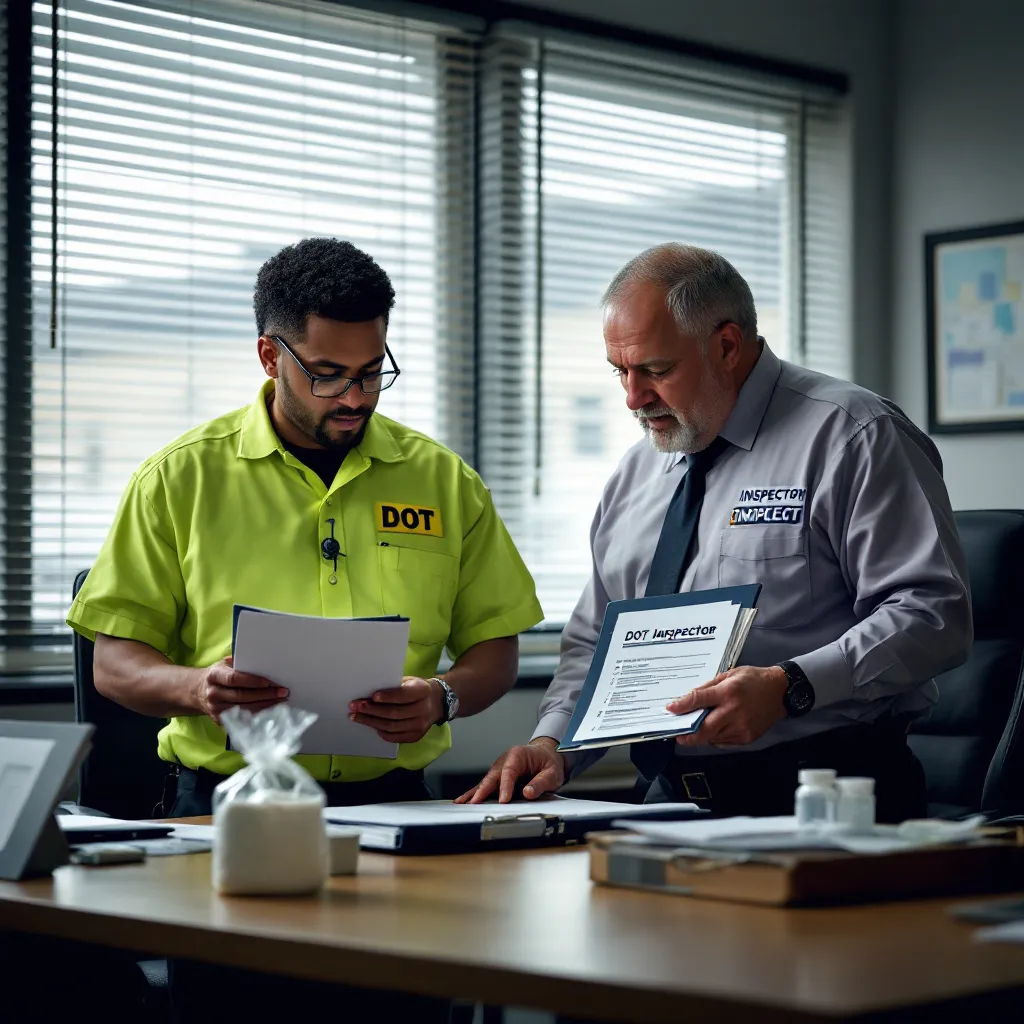
An inspection will focus on your program’s adherence to federal and state regulations, recordkeeping, and the competency of the individuals who handle testing and documentation. Inspectors typically review chain of custody forms, records of tests administered, negative and verified positive results handled properly through a Medical Review Officer (MRO), and evidence that drivers have been informed about testing policies.
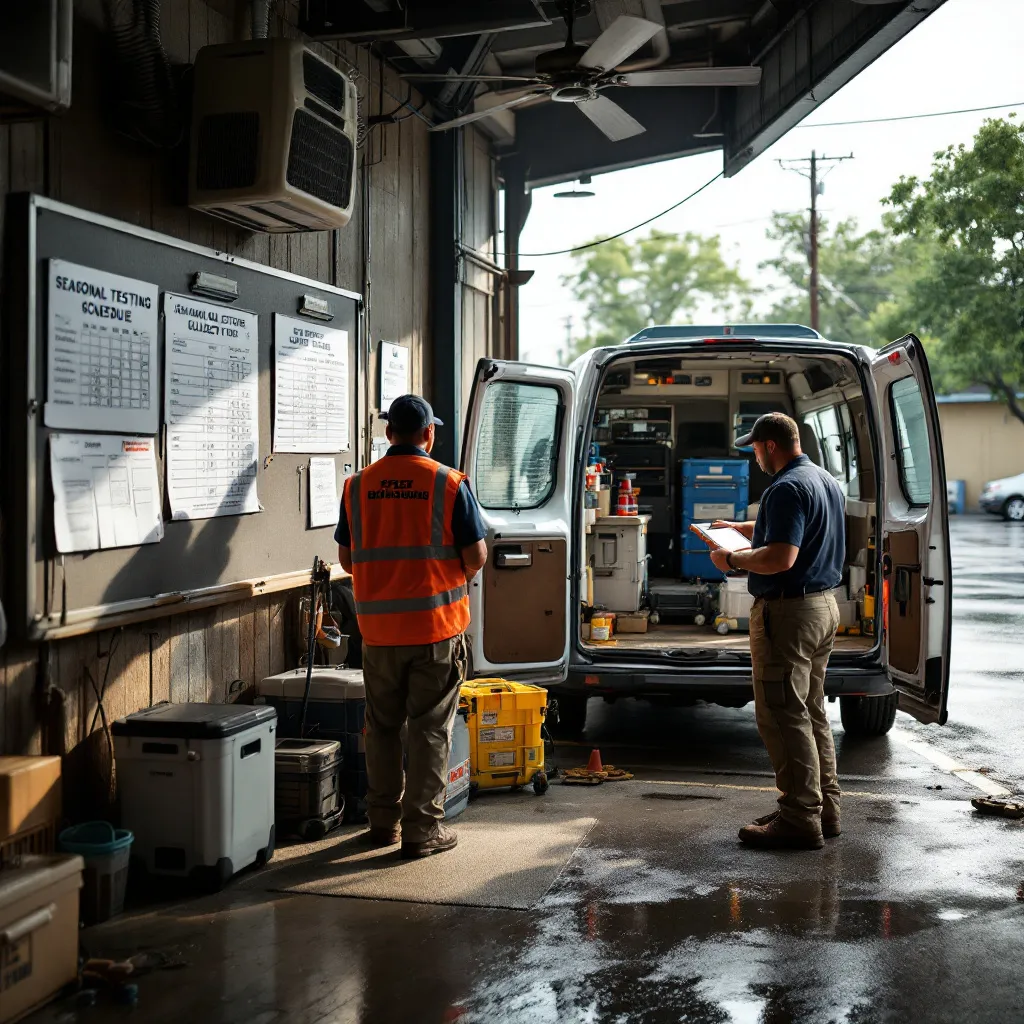
During the visit expect questions about your designated collection sites, the qualifications of collectors, and procedures for split specimen testing and refusals. It’s helpful to have a single binder or digital folder that organizes policy documents, training certificates, and recent test records so the inspector can quickly verify compliance.
Preparing Drivers and Staff Ahead of Time
Preparation begins with communication. Talk with drivers about what inspectors will ask for and remind supervisors where to find key documents. Make sure that employee files contain current consents, test history where required, and up-to-date contact information. Train staff on how to escort an inspector to relevant records and to avoid offering information beyond what is requested.
On the day-to-day side, keep your testing supplies and lists of approved labs current. If you send drivers to a third-party collection site, confirm that the provider follows DOT standards. For companies that manage on-site testing, ensure collectors are appropriately trained and that privacy during specimen collection is maintained.
Documentation and Recordkeeping Best Practices
One of the most common findings during inspections is missing or disorganized paperwork. Maintain a clear chain of custody for each test, and keep records in timelines that match DOT retention requirements. Label files consistently and use a checklist to confirm that every test has a copy of the CCF, collector’s notes, MRO communications, and any follow-up actions.
Electronic recordkeeping can be efficient but be prepared to present printed copies if an inspector requests them. Redacting personal health details beyond what the DOT requires is acceptable, but don’t remove signatures, dates, or test results. A well-maintained record system reduces the risk of violations and demonstrates your commitment to driver safety.
Common Issues Inspectors Find and How to Avoid Them
Inspectors often cite problems such as incomplete CCFs, failure to obtain proper consents, inadequate selection methods for random testing, and delays in verifying positive results through an MRO. To avoid these pitfalls, conduct periodic internal audits and mock inspections. Use your audit findings to correct procedural gaps, retrain staff, and update policy language so it aligns with DOT requirements.
Another recurring issue is lack of a clear policy for handling refusals or tampering. Ensure your drivers and supervisors understand the consequences and the steps to document any refusal thoroughly. If a test is invalid or a split specimen is requested, follow the specified procedures promptly to protect drivers’ rights and your company’s compliance status.
For companies seeking reliable partners, I recommend confirming that your vendors and collection sites adhere to DOT protocols. A knowledgeable partner helps you stay inspection-ready and reduces the administrative burden so you can focus on safe operations.
When you need professional assistance in implementing or reviewing your program, our office provides practical, locally focused support for employers and drivers, including guidance on testing logistics and documentation. For clear, compliant testing solutions, consider local resources such as DOT Drug Testing that understand Houston’s commercial driving community.
Maintaining Driver Health and Safety Beyond the Inspection
Compliance is more than passing an inspection — it is about protecting your drivers and the motoring public. Encourage preventive health measures, offer educational sessions on substance use awareness, and make sure drivers have access to occupational health resources. When a driver’s health is prioritized, the business benefits from fewer incidents and stronger morale.
Documentation that demonstrates ongoing education and support for drivers also reflects well during an inspection. Keep records of safety meetings, training sessions, and any referrals to counseling or treatment programs when appropriate.
Frequently Asked Questions
Q: How long should DOT drug test records be kept?
A: You should keep records according to DOT retention schedules. This typically includes maintaining negative and positive test records, MRO reports, and chain of custody documentation for specified periods. Consult your program guidelines or an expert to confirm exact timelines for each record type.
Q: Can an inspector require immediate on-site testing?
A: Inspectors can verify that you maintain an approved testing program, but they do not typically initiate testing themselves. If a situation requires immediate action, follow your company policy and consult with your collection site and MRO for appropriate next steps.
Q: What should I do if a driver refuses a test?
A: Treat refusals seriously and document everything. Follow prescribed procedures for refusal, including having a witness if possible, completing refusal documentation, and notifying the appropriate company official. Ensure you understand the disciplinary and reporting protocols in your policy.
Inspections are an opportunity to demonstrate that your commitment to driver health is systematic and thorough. If you want focused help preparing for an inspection or reviewing your current processes, we offer hands-on support tailored to Houston employers and drivers. Reach out for practical next steps and local assistance with DOT program compliance. For direct resources on testing services and coordination, turn to trusted local providers such as DOT Drug Testing to streamline your inspection readiness.
Texas DOT Physicals
11811 East Fwy # 230, Houston, TX 77013, United States
Phone: +1 (877) 792-5546