


Why DOT Drug Testing Is Critical for Houston Texas Employers
As a local DOT physical and commercial driver health expert in Houston, I’ve seen first-hand how DOT Drug Testing becomes the backbone of safe fleet operations and regulatory compliance. When employers in the region prioritize testing, they protect not only their drivers but everyone on Houston roads. Early engagement with testing programs helps prevent accidents, supports employee wellness, and reinforces a culture of responsibility across every shift.
DOT Drug Testing: What Houston Employers Need to Know
DOT Drug Testing is a federal regulatory requirement for many commercial drivers and those in safety-sensitive positions. In Houston, where highway miles are long and traffic is dense, following these rules is both a legal obligation and a practical necessity. Employers must understand which positions require testing, how to administer tests correctly, and how to interpret results while maintaining confidentiality and fairness.
Why testing matters for safety and liability
Beyond compliance, the core reason to implement a robust testing program is safety. Impairment behind the wheel can have devastating consequences, and Houston employers carry significant responsibility when their teams operate heavy machinery or commercial vehicles. A well-run DOT Drug Testing program reduces the risk of incidents, supports return-to-duty protocols, and demonstrates to insurers and regulators that a company takes safety seriously. Clear policies, consistent enforcement, and supportive pathways for treatment reduce turnover and protect company reputation.
How testing works and practical best practices
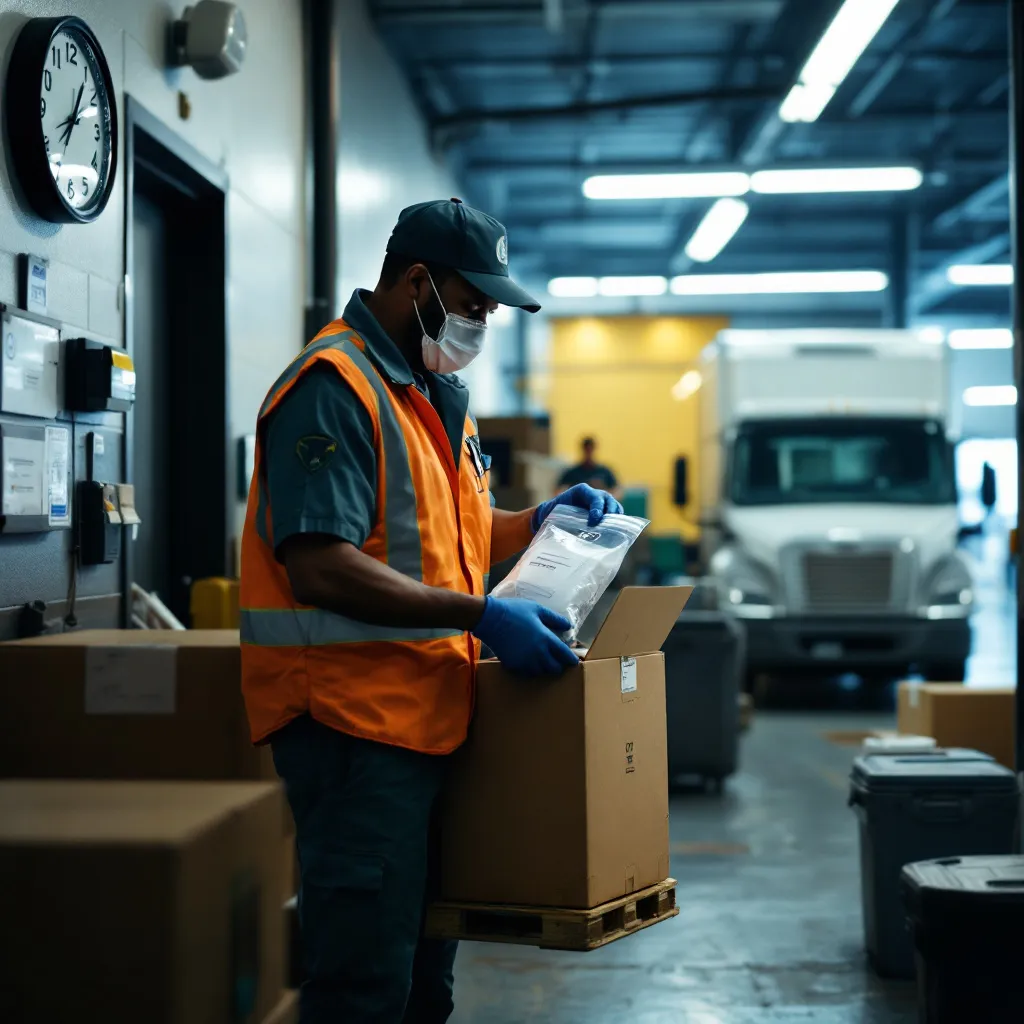
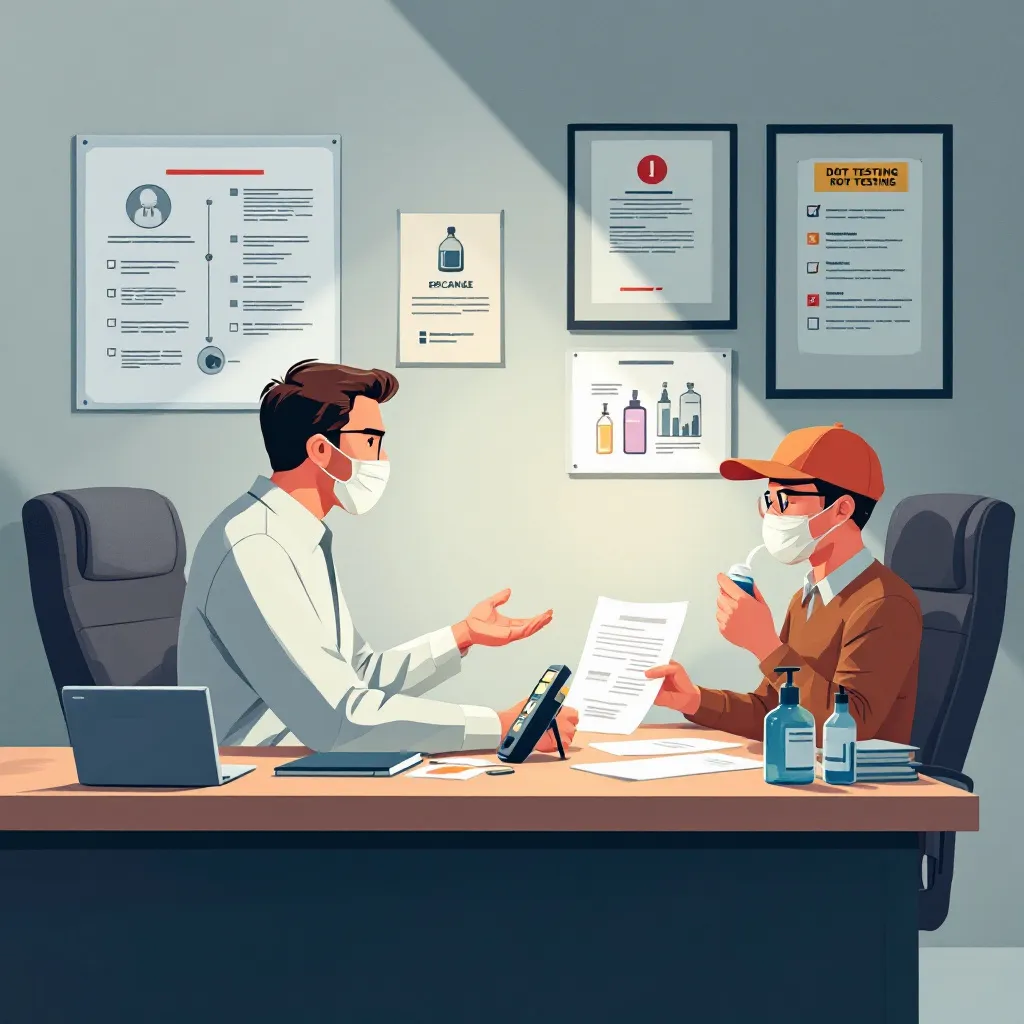
Understanding the practical steps of testing helps employers design efficient programs. A typical DOT testing pathway includes pre-employment screens, random testing, post-accident tests, reasonable suspicion testing, and return-to-duty evaluations. Partnering with a reliable provider streamlines this process and ensures proper chain-of-custody, specimen integrity, and timely reporting. For many Houston businesses, arranging professional collection and laboratory services removes administrative burdens and keeps operations moving smoothly. Our clinic coordinates DOT Drug Testing appointments and works with employers to schedule on-site or clinic-based collections that respect drivers’ time and privacy.
Training, documentation, and maintaining compliance
Documentation is as important as the testing itself. Employers should train supervisors to recognize signs of impairment, document incidents thoroughly, and follow DOT protocols for referrals and testing. Maintaining up-to-date policy manuals and educating staff on their rights and responsibilities reduce disputes and legal exposure. Records must be stored securely and access limited to authorized personnel to comply with privacy regulations. Regular audits and working with compliance experts in Houston can reveal gaps before they become problems.
Local considerations for Houston businesses
Houston employers face unique operational realities: long routes, extreme weather, and a diverse workforce. Local testing providers understand these nuances and can offer flexible scheduling, bilingual support, and rapid testing turnaround to minimize downtime. Integrating testing into routine DOT physical appointments or drug-free workplace programs helps normalize the process and supports overall driver health. When testing is positioned as a safety measure rather than a punitive step, drivers are more receptive and more likely to engage with recommended treatment resources.
Frequently Asked Questions
Q: Who needs DOT Drug Testing?
A: Any employee who performs safety-sensitive functions regulated by the Department of Transportation typically falls under DOT testing rules. This includes commercial vehicle drivers and certain maintenance personnel; employers should consult regulations or a local expert to determine specific coverage.
Q: How often must random testing occur?
A: Random testing rates are set by DOT agency guidelines and can change annually. Employers must implement unbiased selection methods and ensure tests are unannounced. Working with a reputable local provider helps manage the administrative side of meeting rate requirements.
Q: What happens after a positive test?
A: A confirmed positive result triggers a defined DOT process that includes notification, a right to a medical review officer (MRO) discussion, and referral to a qualified substance abuse professional (SAP) if needed. Employers must follow return-to-duty protocols and ensure any required follow-up testing is completed.
Q: Can I test on-site in Houston?
A: Yes. On-site testing is common and can be arranged for larger fleets or during safety meetings. It still must adhere to DOT collection procedures, chain-of-custody rules, and privacy protections. Coordinate with a certified collection provider to ensure compliance.
Q: How do I balance safety with employee support?
A: Effective programs combine clear policies and consistent enforcement with access to treatment and employee assistance resources. Framing testing as part of a broader safety and wellness strategy encourages candid conversations and helps employees get help when needed.
Every Houston employer should view testing as one component of a comprehensive safety program. If you’re managing drivers or safety-sensitive staff, establishing clear policies now will save time and reduce risk later.
To take the next step and ensure your team is protected, contact our clinic to discuss scheduling, program design, and how we can support your compliance needs with professional services including DOT Drug Testing. We help Houston employers implement practical, respectful testing that keeps drivers on the road safely.
Texas DOT Physicals
11811 East Fwy # 230, Houston, TX 77013, United States
Phone: +1 (877) 792-5546