

Common DOT Drug Testing Issues Houston Texas Fleets Face
As a clinician who has worked with Houston commercial drivers and fleet managers for years, I often encounter the same concern: how to keep operations moving while staying compliant with DOT Drug Testing rules. The stakes are high — safety, liability, and driver careers all depend on getting this right. When managers ask where to start, I direct them to a trusted local resource: DOT Drug Testing, and then I walk them through the practical issues that routinely trip up fleets in Houston, TX.
Why DOT drug testing matters in Houston, TX
Houston’s transportation network is complex, with long-haul routes, local deliveries, and heavy industrial operations. That complexity increases the chance of testing errors. Regulatory expectations from the Federal Motor Carrier Safety Administration (FMCSA) are clear, but translating those federal rules into everyday practice is where many employers struggle. Proper testing programs protect drivers, maintain public safety, and preserve a carrier’s reputation, but they require attention to detail at every step.
DOT Drug Testing: Common Pitfalls for Houston Fleets
One of the most frequent problems I see is administrative — incomplete documentation, missed deadlines for follow-up tests, and unclear company policies about random testing procedures. These gaps can transform a manageable situation into a compliance violation. Fleets must ensure that their testing vendor, medical review officer (MRO), and internal HR staff are coordinated. When paperwork is inconsistent or chain-of-custody forms are improperly completed, the validity of a specimen can be questioned, leading to delays and potential legal exposure.
Collection and chain-of-custody issues explained
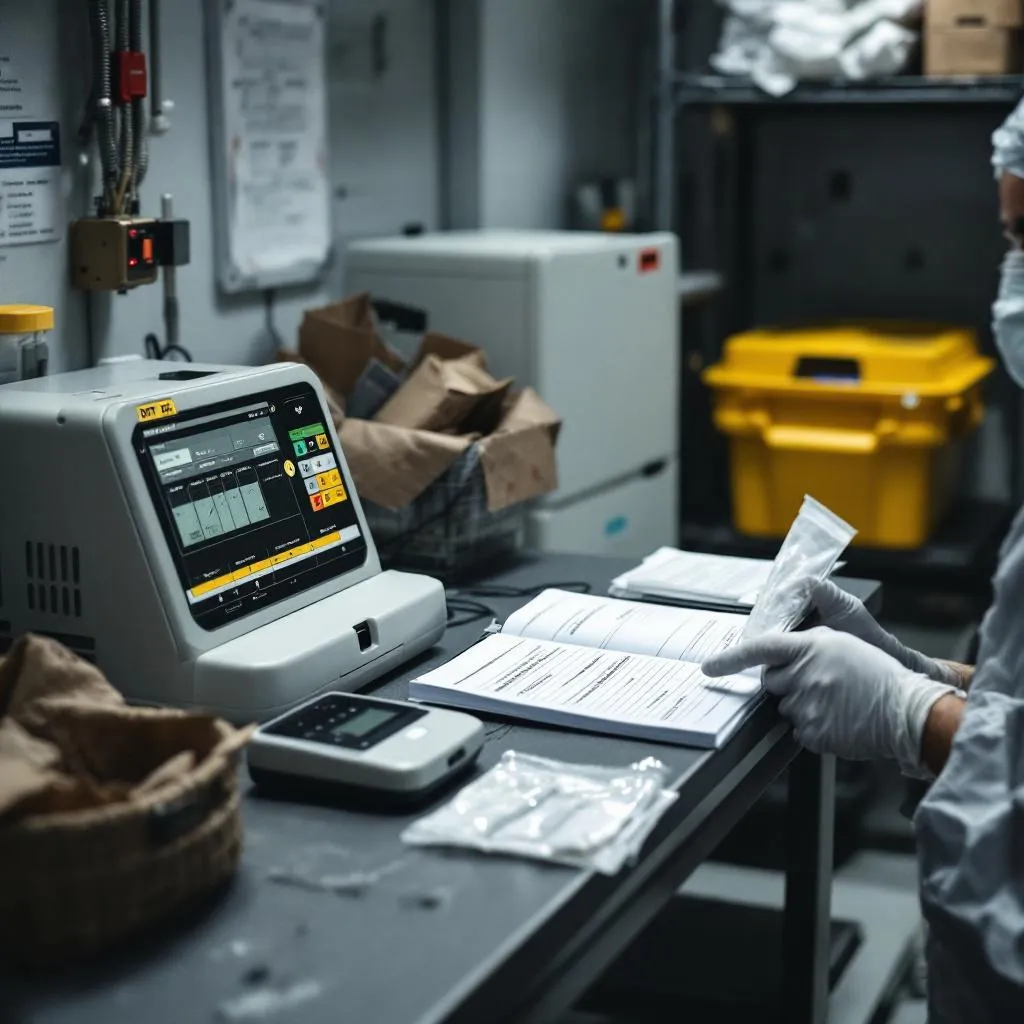
Collection sites and specimen handling are another trouble spot. Errors during specimen collection — such as improper sealing, incorrect labeling, or failure to document observed behavior — can invalidate results. Chain-of-custody lapses often occur when drivers visit multiple collection sites or when samples are transported over long distances. A fleet that standardizes its collection site partners, trains supervisors on what to look for, and audits records periodically reduces the risk of lost or tainted specimens.
Medical Review Officer (MRO) and confirmation challenges
After a positive screening, the MRO must conduct confidential interviews and confirmatory testing. Delays in contacting the driver, failure to obtain medical information, or miscommunication about prescription medications often cause frustration on both sides. In Houston, where many drivers may have limited access to their prescribing physicians during long routes, providing clear instructions to drivers about how to communicate with an MRO can speed resolution and reduce unnecessary suspensions of duty.
At the center of an effective program is the relationship between the employer and their testing provider. Establishing routine training for managers on how to initiate tests, handle refusals, and interpret MRO reports is essential. For fleets seeking reliable, local support, I recommend reviewing vendor practices and confirming they follow DOT requirements precisely, and for many managers I speak with, the first step is learning more about DOT Drug Testing services available nearby.
How to reduce risk and improve compliance
Practical steps make a big difference. Create a clear written policy that matches federal rules, schedule regular supervisor training, and ensure drivers understand their rights and responsibilities. Random testing pools must be managed transparently, and communication about the consequences of violations should be consistent. Regular audits by an independent party help catch small problems before they become regulatory actions. In my experience working with Houston fleets, those who adopt routine checks and emphasize documentation find the most success in maintaining compliance.
Working with drivers to maintain safety and trust
Testing programs work best when drivers feel respected and informed. That means explaining the process, giving advance notice about random testing procedures in a way that complies with anonymity requirements, and providing assistance for drivers who return to safety-sensitive duties after rehabilitation. A compassionate, clear approach earns cooperation and reduces adversarial interactions that can escalate into formal disputes.
FAQ: Common questions Houston fleet managers ask
Q: What should I do immediately after a positive screening?
A: First, the process is handled confidentially through the MRO, who will review the result, check for legitimate prescriptions, and order a confirmatory test if needed. Employers should avoid making employment decisions until the MRO has completed their review and notified the designated employer representative.
Q: Can a specimen be rejected for procedural errors?
A: Yes. Improper labeling, missing chain-of-custody signatures, or tampering suspicions can lead to specimen rejection. That is why standardized collection procedures and audits of vendor practices are so important.
Q: How often should supervisors receive training on DOT testing rules?
A: At minimum, initial training for new supervisors and annual refreshers are recommended. Training should cover random selection procedures, reasonable suspicion standards, how to handle refusals, and documentation expectations.
Q: How can I help drivers who are returning to duty after treatment?
A: Coordinate with the treating professional and the SAP (substance abuse professional) process required by DOT rules. Offer clear guidance on return-to-duty testing and reasonable accommodations, and keep communication lines open to facilitate a safe transition back to work.
For Houston fleet managers who want a straightforward, local partner to help navigate these issues, make a proactive plan today. If you need assistance implementing or auditing a DOT program, scheduling training for supervisors, or setting up consistent collection practices, reach out to learn how our team can help. Contact our office to discuss tailored solutions for your fleet and to ensure your DOT Drug Testing program is robust, defensible, and driver-friendly. DOT Drug Testing
Texas DOT Physicals
11811 East Fwy # 230, Houston, TX 77013, United States
Phone: +1 (877) 792-5546