
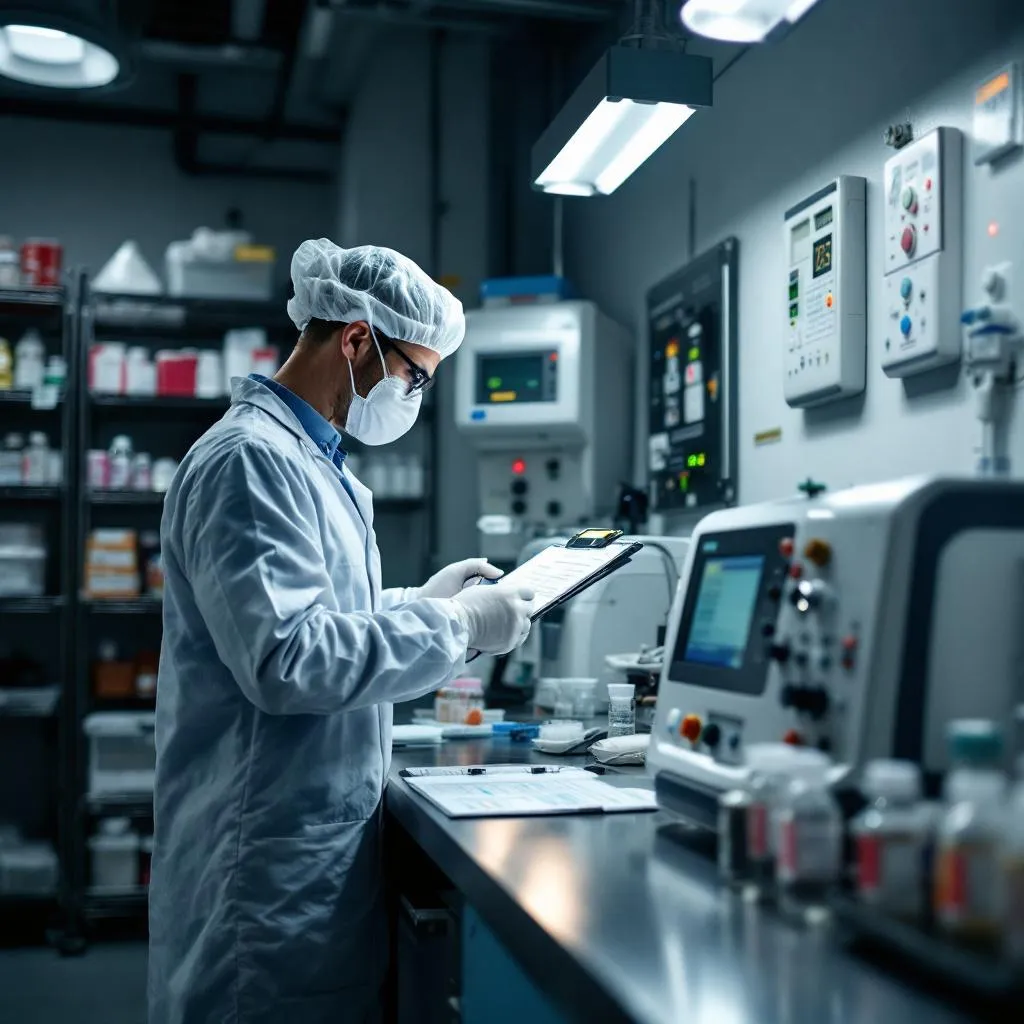
Maintaining DOT Drug Testing Equipment in Houston Texas
As a Houston-based DOT physical and commercial driver health expert, I see many operators underestimate the importance of reliable testing equipment. Whether you oversee a small fleet or you’re an individual driver preparing for a required screening, understanding DOT Drug Testing procedures and keeping devices calibrated and clean is essential to maintaining compliance and protecting careers. Early attention to equipment care prevents false positives, avoids gaps in documentation, and keeps your drivers on the road in greater safety.
DOT Drug Testing Equipment Basics
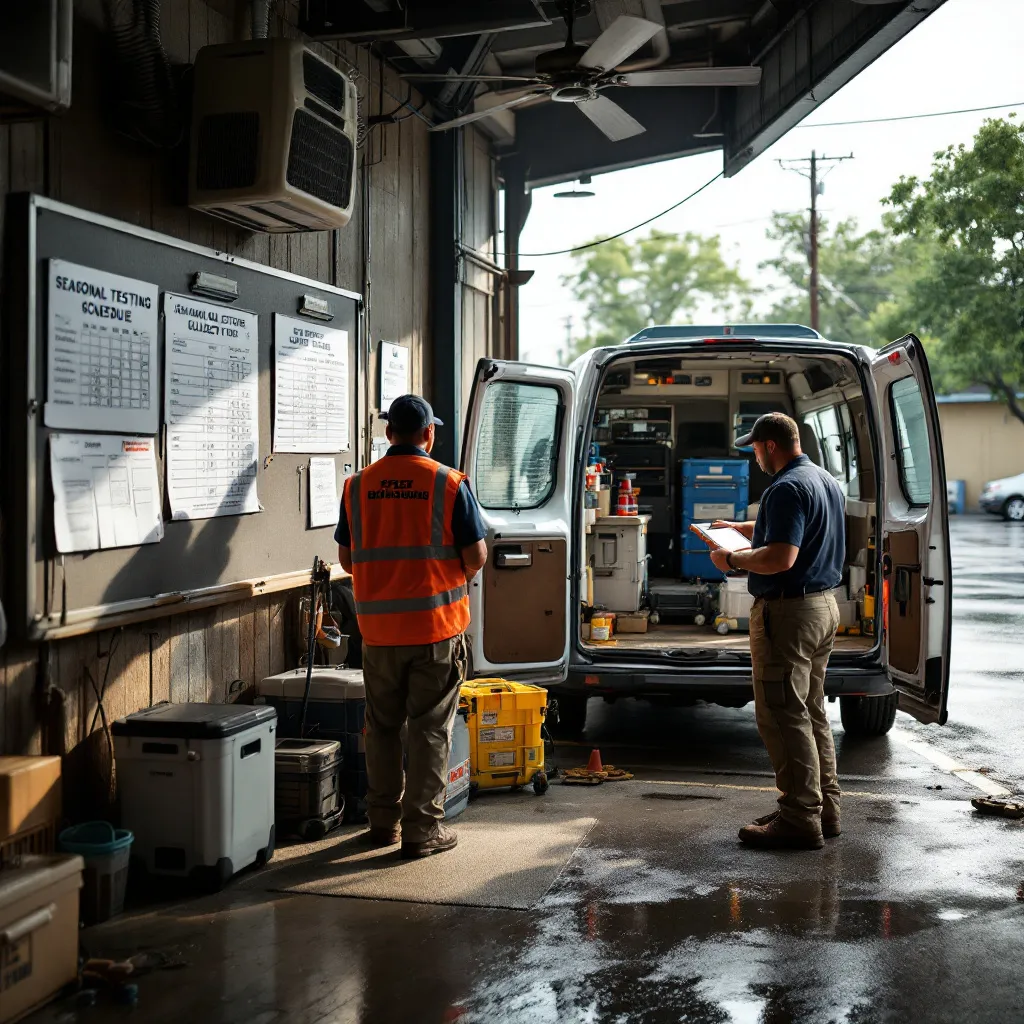
When we talk about DOT Drug Testing, we are referring to a set of federally mandated protocols and the instruments that support them—collection cups, instant test devices, breathalyzers, and specimen transport materials. Each of these components has a service life and specific storage and handling requirements. In Houston’s humid climate, improper storage alone can degrade reagents and misalign sensors. My practical, clinic-based experience shows that a routine equipment checklist and a simple climate-controlled storage habit go a long way toward reliable results.
Daily and Weekly Maintenance Practices
Good maintenance starts with small daily habits. At the beginning of each testing day, inspect disposable items for intact seals and expiration dates. Wipe down external surfaces of reusable devices with manufacturer-approved solutions, and verify that digital devices boot correctly and log the proper date and time. Weekly, perform a visual inspection for cracks, damaged cables, or worn connectors. Keep a maintenance log so any pattern of intermittent faults can be traced back to a cause rather than dismissed as a fluke. If you ever need a trusted local resource for testing services or guidance, consider contacting our team through this link: DOT Drug Testing.
Calibration, Certification, and Recordkeeping
Calibration is not optional. For devices like breath alcohol testers and certain onsite screening instruments, manufacturers specify calibration intervals and certification processes. Missed calibrations can render a test legally invalid, and that’s the last thing a safety manager or driver needs when compliance audits come through. Keep digital copies of calibration certificates and maintain an organized paper trail. I recommend storing expiration alerts in your fleet management system and scheduling reminders at least a month before due dates, giving ample time for service without interrupting your testing cadence.
Environmental Considerations in Houston
Houston’s heat and humidity present unique challenges. Reagents can absorb moisture, adhesive seals can fail, and electronic components are more likely to suffer corrosion. To mitigate these risks, keep reusable equipment in climate-controlled storage and limit exposure during transport. During busy testing months or severe weather events, set up a temporary climate-protected area to maintain sample integrity and reduce the chance of test invalidations. When replacing components, source them directly from manufacturer-approved distributors and always document the chain of custody.
Training and Human Factors
Even the best-maintained device is only as reliable as the person operating it. Regular training for collectors is critical: correct specimen collection techniques, proper use of tamper-evident seals, and familiarity with device error codes reduce human error significantly. Role-playing and periodic competency checks in the clinic help maintain skills. As an expert who trains many collectors across Houston, I emphasize that equipment care and operator competence are two sides of the same coin when it comes to defensible, accurate testing.
Troubleshooting Common Problems
When a device displays an error, don’t panic. First, consult the manufacturer’s troubleshooting guide to identify simple fixes such as recalibration prompts or battery replacement. If the problem persists, document the error code, take the device out of service, and use a backup unit to avoid interruption. For devices under warranty, coordinate repairs with certified service centers to maintain warranty validity. If you find recurring faults despite following manufacturer instructions, it’s often a sign that environmental or handling issues need correction.
FAQ
What routine checks should I perform before each DOT Drug Testing session?
Before each session, verify expiration dates, check seals and packaging, confirm device clocks and logs, and test backup batteries. Briefly review the chain-of-custody forms to ensure all fields are ready to be completed accurately.
How often must breathalyzers and certain screening devices be calibrated?
Calibration intervals depend on the manufacturer and device model; however, many devices require calibration every 6 to 12 months. Always follow the manufacturer’s schedule and keep certificates on file to demonstrate compliance during audits.
What should I do if a test device shows intermittent errors?
Document the errors, remove the unit from service, and switch to a certified backup. Contact the manufacturer or an approved service center and review storage and handling procedures to prevent recurrence.
Can environmental conditions in Houston affect test validity?
Yes. High humidity and heat can degrade reagents and electronics. Use climate-controlled storage, limit exposure during transport, and perform daily checks to reduce environmental impact on results.
Maintaining DOT Drug Testing equipment in Houston is a blend of routine care, proper storage, timely calibration, and consistent training. Take these steps now to avoid the stress of last-minute failures and to protect the safety and careers of commercial drivers. For reliable support and to connect with experienced local professionals, visit: DOT Drug Testing. If you’re unsure where to start, our clinic can walk you through an equipment audit and provide guidance tailored to Houston conditions.
Ready to ensure your program is inspection-ready? Contact our office and let us help you create a maintenance schedule that fits your operations while meeting federal standards. We provide hands-on coaching for collectors and practical checklists you can use immediately. Reach out and keep your drivers compliant and on the road with confidence: DOT Drug Testing.
Texas DOT Physicals
11811 East Fwy # 230, Houston, TX 77013, United States
Phone: +1 (877) 792-5546