


DOT Drug Testing Cost Estimates for Houston Texas Employers
As a Houston-based DOT physical and commercial driver health expert, I often speak with fleet managers about practical ways to keep their teams safe and compliant with federal regulations. One question that comes up right away is how to navigate DOT drug testing without disrupting operations. To help local employers, I explain the process clearly and point them toward reliable resources like DOT Drug Testing when they need a trusted partner in the Houston area.
Understanding DOT Drug Testing Requirements
DOT Drug Testing is mandated by federal agencies for safety-sensitive transportation workers, and Houston employers must follow specific protocols for who is tested and when. The program’s primary goal is to reduce accidents and protect the public by ensuring that drivers are free from the influence of controlled substances while performing safety-sensitive functions. As a local expert, I emphasize that knowing the rules—pre-employment, random, reasonable suspicion, post-accident, return-to-duty, and follow-up testing—is the foundation of a compliant program.
How the Process Works for Houston Employers
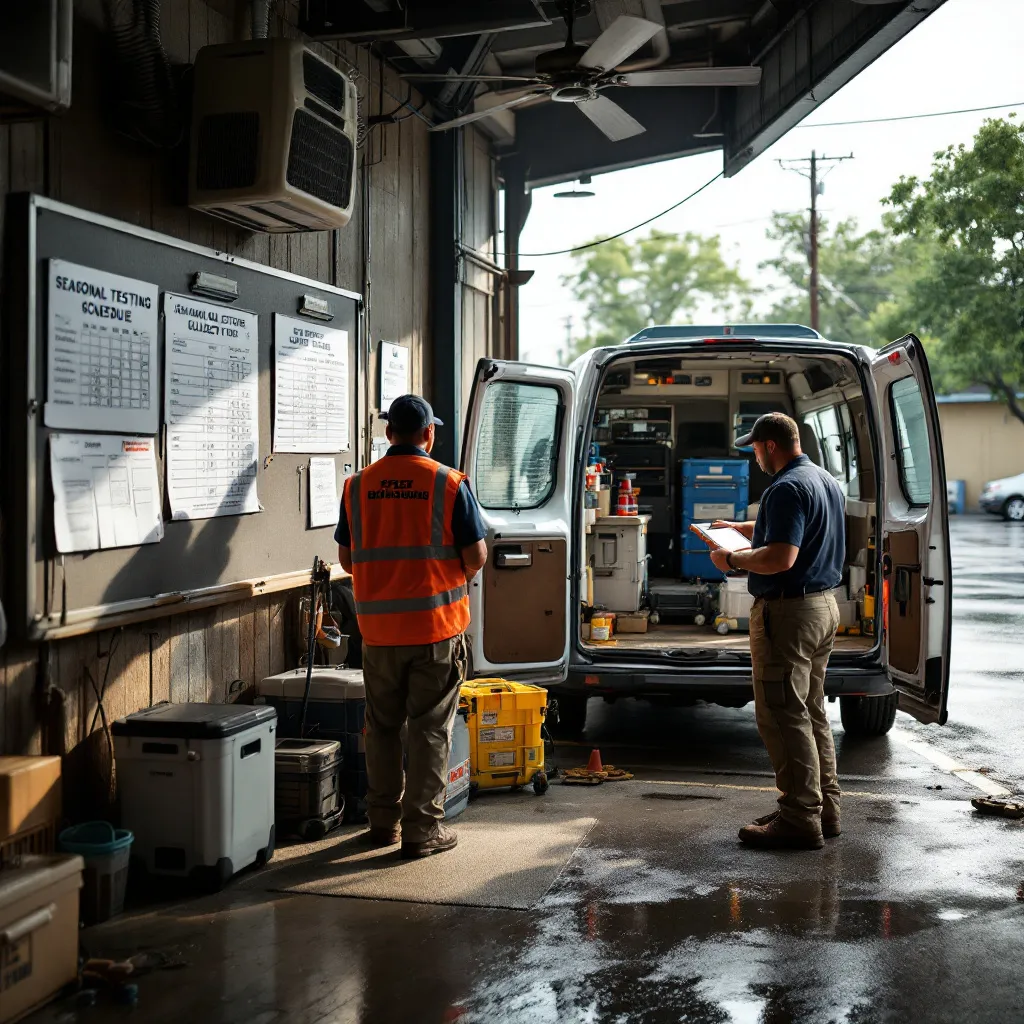
When an employer in Houston implements testing, the steps are straightforward but require administrative attention. Testing begins with clear policies, employee education, and selection of a certified collection site or mobile provider familiar with DOT protocols. Specimen collection, chain of custody, and laboratory analysis must all meet Department of Transportation standards. Local providers that understand Houston traffic patterns and employer schedules can arrange convenient collection times while maintaining the integrity of the process. For many employers, working with a trusted clinic makes the logistics easier—again, resources such as DOT Drug Testing play a useful role in coordinating testing and recordkeeping.
Common Considerations for Employers
Employers should plan for the administrative tasks that support testing: drafting a compliant policy, training supervisors to recognize impairment, and keeping accurate records. Medical Review Officers (MROs) are responsible for reviewing positive results and confirming whether there is a legitimate medical explanation. It’s also important to communicate clearly with drivers about the program so they understand expectations and consequences. I counsel Houston employers to focus on transparent procedures and respectful communication; drivers are more likely to cooperate when they know the program is designed for safety—not punishment.
Choosing a Local Provider and Staying Compliant
Local context matters. Houston employers benefit from providers who know state and municipal schedules, can coordinate with shift patterns at major shipping and logistics hubs, and offer on-site or near-site testing when needed. When evaluating a provider, verify DOT certification, ask about their chain-of-custody procedures, and ensure they document every step from collection to lab results. Strong local providers can also assist with creating a random testing pool and helping employers understand how to respond to different test outcomes while preserving employee privacy and legal rights.
Preventive Strategies and Training
Testing is only one component of a comprehensive safety strategy. Preventive measures—such as drug-free workplace education, wellness programs, and supervisor training—reduce the likelihood of incidents that trigger post-accident testing. Encourage drivers to use employee assistance programs if they are struggling with substance use, and make sure your company’s culture supports early intervention. Proactive communication and education help foster a safety-first mindset that complements DOT Drug Testing and enhances overall fleet performance.
FAQ
Q: Who must comply with DOT drug testing regulations?
A: Any employee performing safety-sensitive functions for employers under DOT jurisdiction must comply, including drivers, mechanics, and certain transportation workers.
Q: What kinds of tests are used?
A: DOT testing typically involves urine tests analyzed at certified labs, and in some cases, oral fluid or other specimen types may be used where permitted and properly documented.
Q: How should employers handle a positive result?
A: Positive tests are reviewed by a Medical Review Officer who will verify any legitimate medical explanations. Employers should follow established DOT procedures for notification, removal from safety-sensitive duties, and referral to return-to-duty evaluation if necessary.
Q: Can testing be done on-site at my Houston facility?
A: Many local providers offer on-site collections or mobile services for large crews. This flexibility makes it easier to test without pulling drivers off the road for long periods.
Q: What records should I keep?
A: Maintain documentation of testing policies, supervisor training, chain-of-custody forms, and test results per DOT record retention guidelines. Accurate records protect both your drivers and your company.
If you’re an employer in Houston looking for straightforward, compliant solutions, my team can help you implement an effective program. Reach out to discuss practical steps to maintain safety and compliance, and when you need dependable local testing services, consider connecting directly with DOT Drug Testing to coordinate your program efficiently.
Texas DOT Physicals
11811 East Fwy # 230, Houston, TX 77013, United States
Phone: +1 (877) 792-5546