


DOT Drug Testing Benefits for Houston Texas Employers
As a local DOT physical and commercial driver health expert in Houston, I see firsthand how thoughtful safety programs change company culture and protect lives. In conversations with fleet managers, HR directors, and owner-operators, one recurring theme is the value of consistent drug screening. When employers prioritize DOT Drug Testing early in onboarding and during routine compliance checks, they build trust with regulators and employees alike. That trust translates to fewer incidents on the road and a healthier, more reliable workforce.
DOT Drug Testing and Regulatory Responsibility
Understanding the federal and state expectations around drug testing is essential for any Houston employer with safety-sensitive transportation personnel. The Department of Transportation sets clear standards that carriers and contractors must follow, and those standards help define when and how to test, from pre-employment screens to post-accident protocols. Employers who embrace these requirements do more than check a compliance box; they demonstrate a commitment to public safety and to the wellbeing of their drivers. I’ve worked with companies that initially saw testing as punitive, and over time they reframed it as a protective measure that supports employees and the community.
How Testing Improves Safety and Performance
Drug impairment behind the wheel is a risk that employers cannot afford to ignore. Regular testing reduces the likelihood of impaired driving incidents by creating clear expectations and predictable consequences. It also encourages workers who may be struggling with substance use to seek help, because a structured testing program often goes hand-in-hand with access to treatment and return-to-duty protocols. In Houston’s busy logistics and transportation landscape, these programs help preserve reputations, reduce downtime from accidents, and lower indirect costs associated with turnover and litigation.
Designing a Practical Program for Houston Workforces
Creating a program that fits your organization means balancing legal compliance, respect for employee privacy, and operational needs. Start with a written policy that defines testing circumstances, confidentiality safeguards, and the consequences of positive results. Training supervisors to recognize impairment and documenting reasonable cause for testing are practical steps that protect both drivers and employers. Partnering with a trusted local provider ensures samples are collected correctly and labs are chain-of-custody compliant — details that make a decisive difference when test results are scrutinized after an incident. For many of the businesses I assist, integrating DOT Drug Testing into a larger safety and wellness strategy yields the best outcomes.
Logistics and Local Considerations in Houston, TX
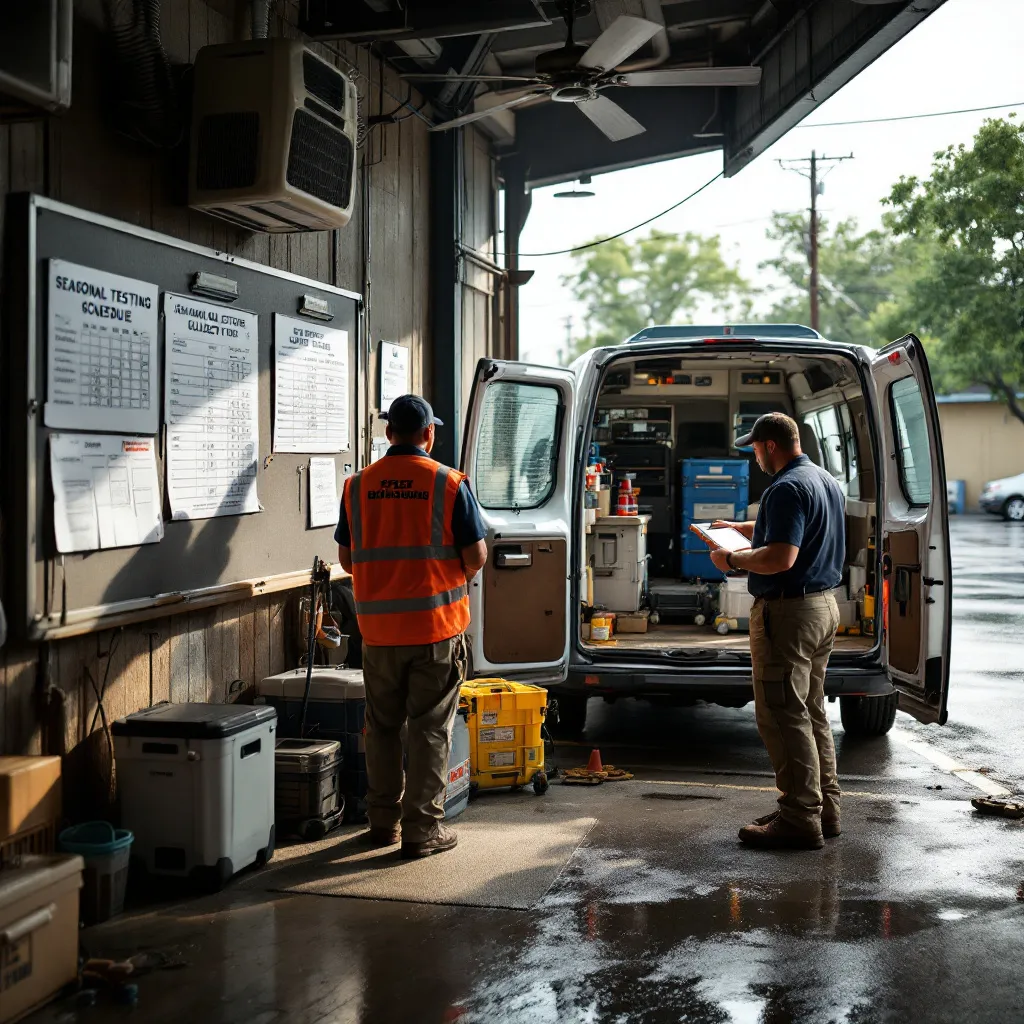
Houston’s scale and traffic patterns influence how testing programs operate. Employers should consider on-site collections for large fleets and convenient clinic locations for smaller teams. Coordinating testing schedules to minimize disruption, and communicating clearly with drivers about what to expect, reduces anxiety and increases cooperation. I often counsel employers to take a proactive stance: when drivers understand the process and rationale, there is less resistance and more engagement in safety efforts across the company.
Choosing a Provider and Ensuring Quality
Not all testing vendors are equal. A good provider offers timely collections, transparent reporting, and knowledgeable staff who understand DOT regulations. They also help employers interpret results and follow legally sound steps when managing positive tests. If you’re evaluating partners, request references from other Houston employers and ask about turnaround times and how they handle confirmatory testing. In my experience, a reliable partner streamlines compliance and allows safety leaders to focus on training and prevention rather than administrative troubleshooting.
Common Misconceptions About DOT Drug Testing
A few myths persist, such as the idea that testing is only about punishment or that it fails to address underlying issues. In reality, well-run programs emphasize prevention, education, and pathways to treatment. Testing is a tool within a broader framework that includes driver assistance programs and return-to-duty protocols. When employers communicate openly and provide resources, testing becomes a component of a compassionate, safety-first workplace culture rather than a source of mistrust.
Frequently Asked Questions
Q: What substances are typically screened for in DOT tests? A: DOT panels generally include drugs like marijuana, cocaine, opiates, amphetamines, and PCP, though specific panels may vary. Employers should consult DOT guidelines and their provider for current information.
Q: How often should testing occur? A: Testing frequency depends on the employer’s safety program, the size of the fleet, turnover rates, and applicable regulations. Common elements include pre-employment, random, post-accident, reasonable suspicion, and return-to-duty testing.
Q: Can an employer perform testing without a clear policy? A: It’s risky to test without written procedures. A formal policy protects employee rights, clarifies consequences, and ensures that collections and laboratory analyses meet federal standards.
Q: What support exists for drivers who test positive? A: Many programs incorporate referral to treatment, evaluation by a substance abuse professional, and monitored return-to-duty processes. These supportive measures facilitate recovery and safe reintegration into the workforce.
Q: How does confidentiality work? A: DOT regulations and best practices require that results and related medical information be handled discreetly, with access limited to those who need it for safety and administrative reasons.
For Houston employers looking to build or refine a testing program, I encourage an approach that combines clear policy, compassionate support, and reliable vendors. When these elements come together, companies see fewer safety incidents and stronger employee loyalty. If you want practical help implementing a compliant, effective program tailored to local conditions, contact our team for guidance. We can walk you through policy creation, supervisor training, and connecting to certified collectors who understand the demands of commercial transportation.
Ready to strengthen your safety program with proven testing and support? Reach out today to learn how DOT Drug Testing can be integrated into your compliance plan and driver wellness efforts in Houston, TX. Our local expertise makes implementation straightforward and effective.
Texas DOT Physicals
11811 East Fwy # 230, Houston, TX 77013, United States
Phone: +1 (877) 792-5546