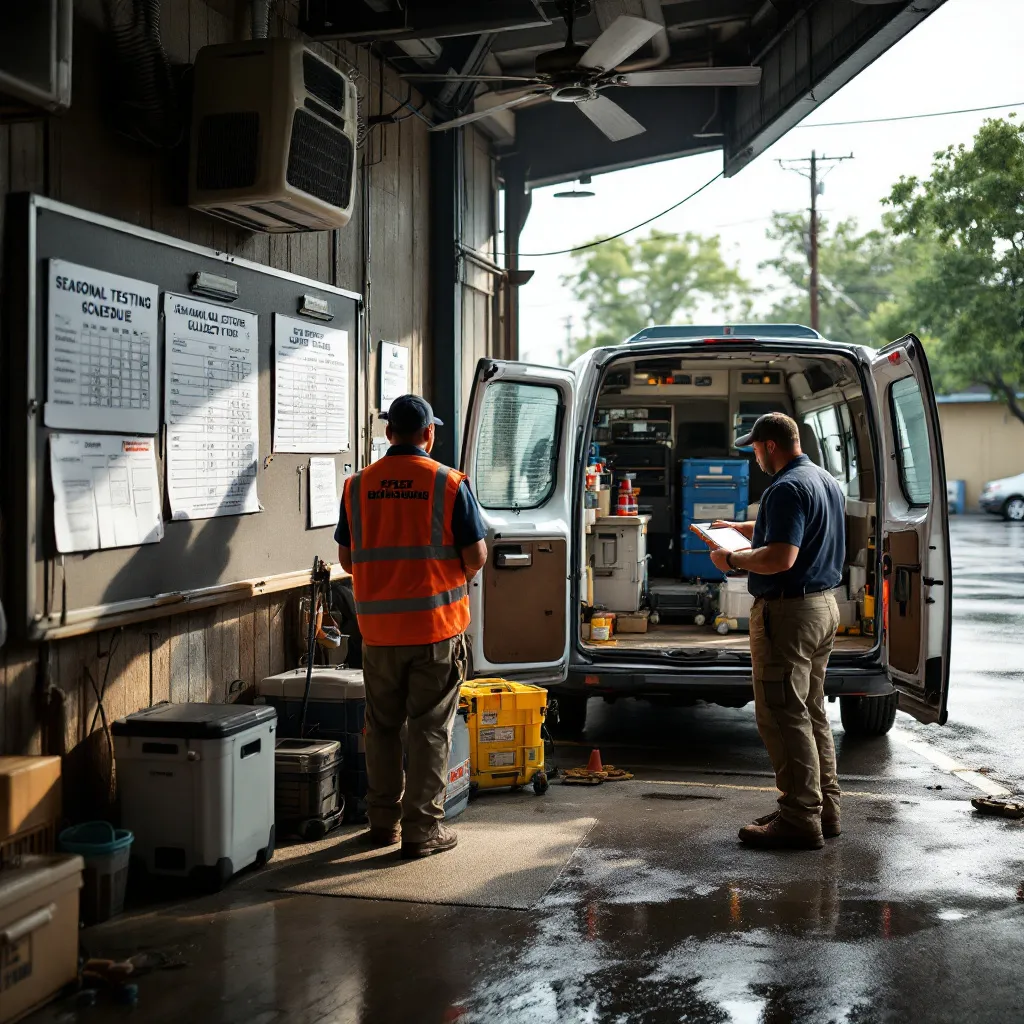



Meeting Local DOT Drug Testing Needs For Houston Texas Employers
As a Houston-based occupational health specialist who works closely with commercial fleets and local employers, I know how critical DOT Drug Testing is to keeping drivers safe, compliant, and on the road. When a company calls me with concerns about meeting Department of Transportation requirements or preparing drivers for random testing, they want clear, practical guidance from someone who understands Houston traffic patterns, local labs, and employer realities. My goal in this article is to walk through the testing process, explain how to reduce disruptions, and help employers feel confident about federal and state expectations.
DOT Drug Testing Compliance in Houston
Meeting DOT standards means more than collecting specimens. It starts with written policies, a designated consortium or third-party administrator, and trained collectors who follow the protocol exactly. In Houston, employers must balance federal FMCSA regulations with on-the-ground logistics: long routes, unpredictable schedules, and the need for quick turnaround when a driver is placed out-of-service. A clear compliance plan ties training, recordkeeping, and timely communication together so managers can respond without guesswork.
How the Testing Process Works for Drivers and Employers
The testing workflow is straightforward in concept but precise in execution. Employers or their medical review officers arrange testing for pre-employment checks, random selections, reasonable cause, return-to-duty, or follow-up testing. A trained collector gathers either urine or, where authorized, oral fluid specimens under strict chain-of-custody procedures. Results are reviewed by a qualified medical review officer who confirms legitimate prescriptions or medical explanations before reporting a positive. For many Houston companies, partnering with a local provider who understands local labs and courier routes makes this process smoother and reduces the time drivers are unavailable.
Preparing Drivers, Supervisors, and Records
Preparation reduces anxiety and errors. Drivers need to understand what constitutes a DOT test, the consequences of refusing a test, and their rights during the process. Supervisors should be trained to recognize reasonable suspicion and to document observations clearly and contemporaneously. Employers must maintain precise records, including random pool lists and test results retained according to federal timelines. When employers and drivers in Houston work from the same playbook, tests move faster and disputes are less likely to arise.
Local Resources and Practical Tips
Practical considerations that matter here include choosing collection sites near major terminals, coordinating around peak traffic times, and arranging mobile collection when a driver is stranded or unable to reach a clinic. A local provider can offer on-site collections and familiarity with nearby laboratories, reducing delays in specimen transport. For companies seeking a reliable local partner, consider a provider that offers clear communication, quick MRO review, and educational resources for employees to reduce avoidable positives and refusals.
Working With a Trusted Local Provider
When you want a dependable Houston partner for DOT testing, look for experience, responsiveness, and a focus on education as much as testing. Employers often ask me how to vet vendors: ask about collector training, MRO relationships, lab certifications, and turnaround times for negative and confirmed positive results. If you need a provider that integrates testing with DOT physicals and driver health programs, reach out and ask specific questions about mobile options, specimen handling, and how they will support your random program. For many local businesses, an established local clinic simplifies compliance and improves driver satisfaction when expectations are clear and service is prompt. DOT Drug Testing
Common Challenges and How to Address Them
Challenges include scheduling conflicts, specimen collection issues, and drivers who are unfamiliar with the testing process. Clear communication, education, and routine practice drills mitigate most of these problems. Employers should also have a contingency plan for drivers who are temporarily out of service due to a positive test or refusal. That plan should protect road safety while respecting drivers’ rights and complying with federal guidelines. Routine reviews of policies and record audits will catch gaps before they become compliance failures.
Frequently Asked Questions
Q: What triggers a DOT test? A: A test can be required for pre-employment, random selection, reasonable suspicion, post-accident under certain conditions, return-to-duty, and follow-up monitoring.
Q: How long do employers keep DOT test records? A: Record retention varies by record type; many records related to drug testing must be kept for at least one to five years depending on the category—always follow FMCSA guidance.
Q: Can a driver be disciplined for a positive test? A: Employers must follow their policies and federal rules, including evaluation by a qualified substance abuse professional for return-to-duty situations; immediate removal from safety-sensitive duties is standard for confirmed positives.
Q: How are random pools managed? A: Random pools should include all safety-sensitive employees, selections must be truly random, and employers must document the process and results for compliance reviews.
Next Steps for Houston Employers
If you are responsible for driver safety and compliance in Houston, taking proactive steps now saves time and risk later. Start by reviewing your written policy, ensuring supervisors are trained in reasonable suspicion observations, and confirming you have access to timely testing and MRO review. If you want a local partner who understands Houston operations and can provide practical support, reach out to learn how our services can integrate with your safety program. For straightforward scheduling and local expertise, consider our dedicated testing solutions and contact us to discuss how we can help with ongoing compliance through accurate, confidential services like DOT Drug Testing.
Texas DOT Physicals
11811 East Fwy # 230, Houston, TX 77013, United States
Phone: +1 (877) 792-5546