


Preparing For DOT Drug Testing Inspections In Houston Texas Worksites
As someone who has worked with commercial drivers and employer safety programs across Houston for years, I know the anxiety that comes with an announced or surprise inspection. Preparing your team and your worksite starts with a clear understanding of the rules around DOT Drug Testing and a calm, practiced approach to documentation and communication. In this piece I will walk you through practical steps to stay compliant and keep operations moving, based on local experience and the realities of Houston worksites.
DOT Drug Testing: What Houston employers need to know
DOT drug-testing regulations apply to safety-sensitive transportation employees and set standards for pre-employment, random, post-accident, reasonable suspicion, return-to-duty, and follow-up testing. For Houston employers, this means ensuring that your policies reflect federal rules while also accommodating the unique rhythms of local freight, transit, and contractor operations. A sound policy clarifies who is in the testing pool, how you choose your random selection provider, and how results are handled and documented. Clear roles and responsibilities—designating a trained program manager and a backup—help your team respond quickly and confidently during an inspection.
Preparing the worksite and staff for inspection
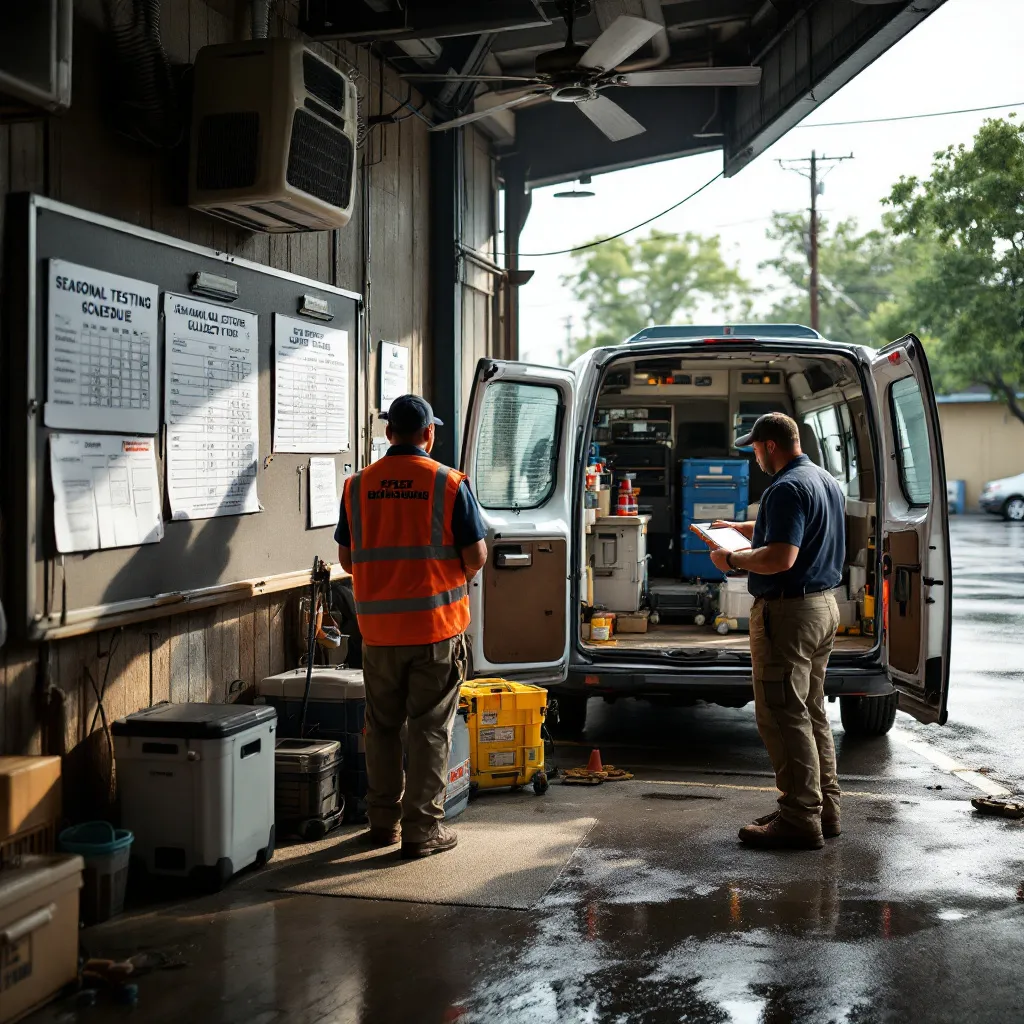
Preparation starts well before an inspector arrives. Keep your testing program files organized and accessible, including chain-of-custody forms, laboratory reports, medical review officer (MRO) communications, and documentation of training and policy distribution. Routine internal audits and mock inspections are invaluable; they reveal gaps in recordkeeping and provide staff with practice handling questions and producing requested files. Make sure designated staff know where original documents are stored and understand the privacy protections surrounding test results so they can answer inspector questions without over-sharing sensitive information.
Sample collection, laboratories, and the chain of custody
Inspectors will look closely at how specimens are collected and handled. Use only certified collection sites and medical professionals who follow federal procedures for specimen integrity. Your chain-of-custody documentation must be seamless—every signature, timestamp, and transfer detail should match. Maintain a roster of approved collectors and labs and document your agreements and contact points. When an inspector reviews laboratory confirmations and MRO decisions, being able to produce a clear, unbroken trail from collection to result will reduce questions and speed the inspection process.
During an inspection: what to expect and how to respond
When DOT or an authorized agency arrives, remain cooperative and professional. The inspector will request documents and may interview personnel; let the designated program manager lead these interactions and provide only the materials requested. Avoid guessing answers—if a question requires checking a record, say so and retrieve the record promptly. If the inspector identifies a noncompliance, ask for clarification and document the finding and any corrective actions you commit to. Demonstrating a structured corrective plan often mitigates the severity of findings and shows good faith in addressing gaps.
Common mistakes Houston employers can avoid
Some frequent missteps include incomplete or missing chain-of-custody forms, lack of a written random testing procedure, and failure to maintain a current list of drivers in the testing pool. Other pitfalls are inconsistent training documentation and not tracking corrective actions after a positive or invalid test. Address these proactively by standardizing forms, keeping digital backups of critical records, and scheduling annual training refreshers. A small investment in consistent processes prevents most inspection headaches.
Maintaining a strong relationship with health providers and stakeholders
Working closely with trusted local medical providers and testing labs reduces friction when an inspection occurs. Ensure that your vendors understand federal drug-testing rules and your business cadence in Houston. Periodically review service agreements, sample turnaround times, and MRO communication protocols. Open communication with drivers and safety teams also builds a culture of compliance; when drivers understand why testing exists and how it protects everyone, they are more likely to cooperate and less likely to inadvertently create documentation problems that draw inspector attention.
Frequently Asked Questions
Q: What records will an inspector request? A: Inspectors commonly request chain-of-custody forms, negative and confirmed positive test results, MRO reports, random testing selection reports, and policies showing who is in the testing pool. Having a clear, indexed file makes retrieval quick and professional.
Q: How far back should records go? A: Federal regulations require different retention periods depending on the document type; for example, testing documentation and MRO records have specific timelines. Maintain a schedule so you know which records must be retained and which can be archived.
Q: Can tests be conducted at the worksite? A: Generally, collection should occur at approved collection sites unless a DOT regulation or vendor allows an alternative under strict conditions. Consult your provider to ensure collection site policies meet federal standards.
Q: How should I handle a driver who refuses to test? A: A refusal is treated seriously under DOT rules and typically requires removal from safety-sensitive duties. Document the refusal carefully and follow your policy and federal guidelines for testing refusals and consequent employment actions.
Every Houston worksite is different, but the core of readiness is the same: organized records, trained staff, trusted vendors, and a practiced response. If you want practical, local support to review your program or run a mock inspection, I can help guide your team through the steps that matter most for compliance and safety. Reach out for tailored assistance and on-the-ground expertise in preparing for DOT inspections, including how to implement and document effective DOT Drug Testing programs that withstand scrutiny.
When an inspection is possible, acting early is the best protection. Whether you’re updating policies, training supervisors, or tightening recordkeeping, getting focused help now reduces risk later. Contact a local DOT physical and compliance expert to plan your next steps and ensure your Houston operation is ready for inspection. Learn how our team supports employers with workplace-ready solutions centered on safety and compliance, including clear procedures for DOT Drug Testing.
Texas DOT Physicals
11811 East Fwy # 230, Houston, TX 77013, United States
Phone: +1 (877) 792-5546