


DOT Drug Testing Benefits for Houston Texas Commercial Drivers
As a Houston-based DOT physical and commercial driver health expert, I often begin conversations by stressing the importance of clear, reliable testing for driver safety. DOT Drug Testing is not just a regulatory checkbox — it is a practical tool that protects drivers, employers, and the public across Harris County and surrounding regions. In this article I walk through the tangible benefits, the local process, and common questions drivers and fleet managers ask when making decisions about workplace safety and compliance.
DOT Drug Testing: Why It Matters in Houston
Houston’s traffic density, long haul routes, and diverse mix of local and interstate commercial operations make reliable testing especially important. From my daily experience working with drivers at our clinic, the most immediate benefit of DOT testing is risk reduction. When companies implement consistent testing and clear policies, they see fewer on-road incidents and improved driver well-being. Beyond safety, DOT testing supports legal compliance: it helps fleets meet Federal Motor Carrier Safety Administration (FMCSA) standards and can reduce liability exposure after an incident.
How the Testing Process Works Locally
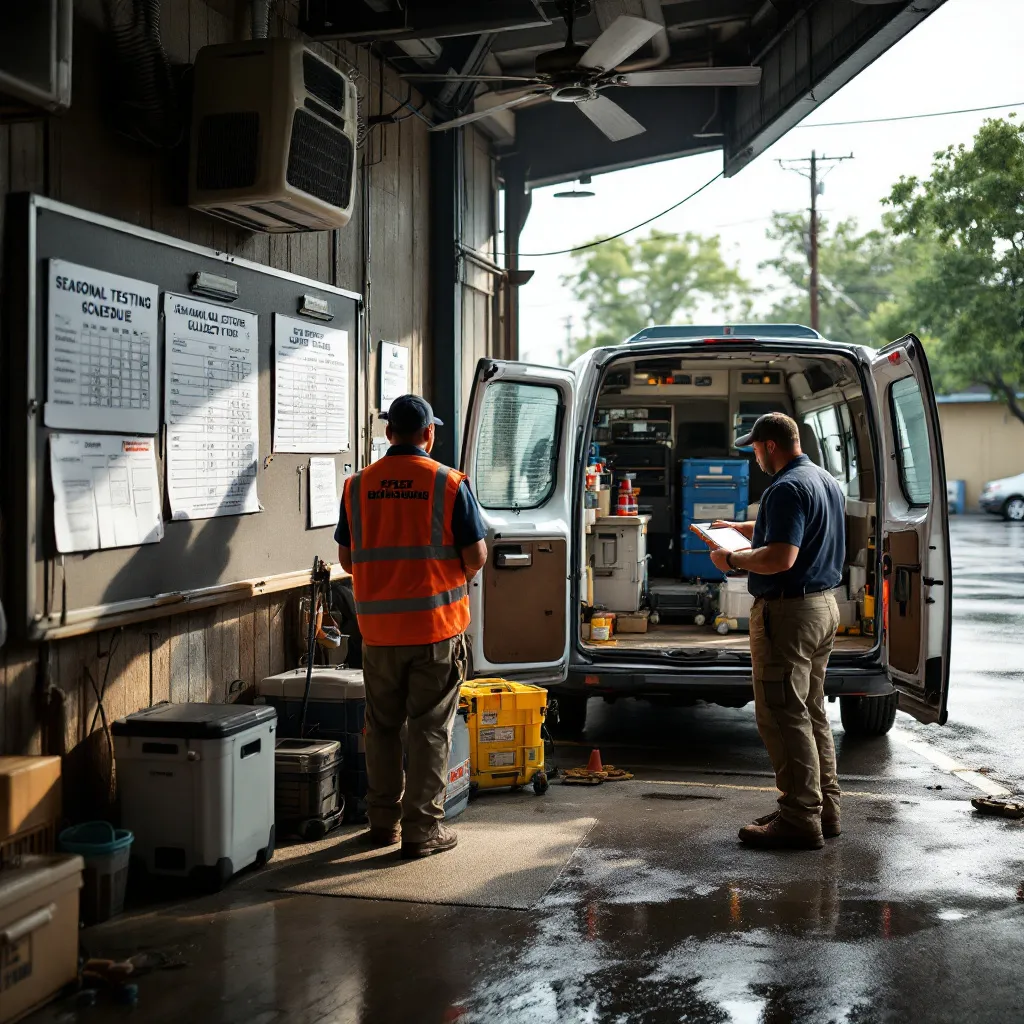
The testing process we follow in Houston mirrors federal requirements but is delivered with attention to convenience and confidentiality. A typical visit begins with identity verification, a clear explanation of the collection procedure, and a private collection environment. Specimens are handled with chain-of-custody documentation and sent to certified labs for analysis. Employers receive timely, accurate results and management guidance when a non-negative result arises. I encourage fleets to partner with a trusted local provider because familiarity with Houston traffic patterns, shift schedules, and CDL routines allows testing to be scheduled without disrupting operations.
One thing I emphasize to new clients is the availability of supportive resources after a positive test. The DOT program is connected to return-to-duty and follow-up processes that are designed to get drivers back on the road safely when appropriate. For many companies, integrating DOT Drug Testing into routine health checks for drivers—alongside physicals and vision screenings—creates a comprehensive wellness workflow that benefits everyone.
Benefits Beyond Compliance: Health, Culture, and Retention
When we look beyond paperwork, DOT testing contributes to a culture of safety that resonates across a company. Drivers report higher confidence in their coworkers when testing is consistent and fair. This cultural lift can reduce turnover because workers feel the employer is invested in a safe work environment. From a health perspective, testing programs act as touchpoints for driver health education: they are opportunities to discuss substance use risks, stress management, and the importance of sleep and nutrition for commercial drivers. As a clinician, I find these conversations often lead drivers to seek help earlier, which improves long-term outcomes for both individuals and fleets.
Practical Tips for Houston Fleets
For local fleets, planning and communication are the most practical steps to get the benefits of DOT testing. Schedule testing around shift changes and deliveries to avoid operational delays. Use the results and supportive resources to build a positive safety narrative rather than a purely punitive one. Establish confidential pathways for drivers who need assistance, and collaborate with certified local providers who understand Texas and FMCSA rules. This approach reduces turnover, minimizes incident-related downtime, and strengthens community trust in your operation.
Frequently Asked Questions
Q: What substances are covered under DOT testing?
A: DOT testing commonly screens for substances identified by the FMCSA, including opioids, cocaine, marijuana, amphetamines, and phencyclidine (PCP). The exact test panel follows federal guidance, and certified labs confirm results with validated methods before employers are notified.
Q: How often does a commercial driver need DOT testing?
A: Testing frequency depends on your employer’s policy and federal rules. Typical categories include pre-employment, random, post-accident, reasonable suspicion, return-to-duty, and follow-up testing. Employers must maintain clear policies and document testing events in compliance with FMCSA regulations.
Q: Will a non-negative result automatically end a driver’s career?
A: Not necessarily. A non-negative result triggers established procedures including confirmatory testing, a review by a Medical Review Officer (MRO), and, when applicable, referral to a Substance Abuse Professional (SAP). The aim of these procedures is to ensure safety while offering a path to rehabilitation and return-to-duty when appropriate.
Q: How should I choose a DOT testing provider in Houston?
A: Look for a provider with clear chain-of-custody practices, certified laboratory partners, and experience working with commercial fleets in the Houston area. Local clinics that offer integrated DOT physicals, driver education, and streamlined scheduling tend to deliver the best operational results for fleets and drivers alike.
Taking the Next Step
If you manage drivers or run a fleet in Houston, integrating reliable testing into your safety program is one of the most effective steps you can take. Contact our clinic to learn how routine screenings and coordinated health services can reduce risk and support your team. To begin, reach out for expert guidance on implementation and scheduling and see how DOT Drug Testing fits into a complete driver health strategy.
Texas DOT Physicals
11811 East Fwy # 230, Houston, TX 77013, United States
Phone: +1 (877) 792-5546