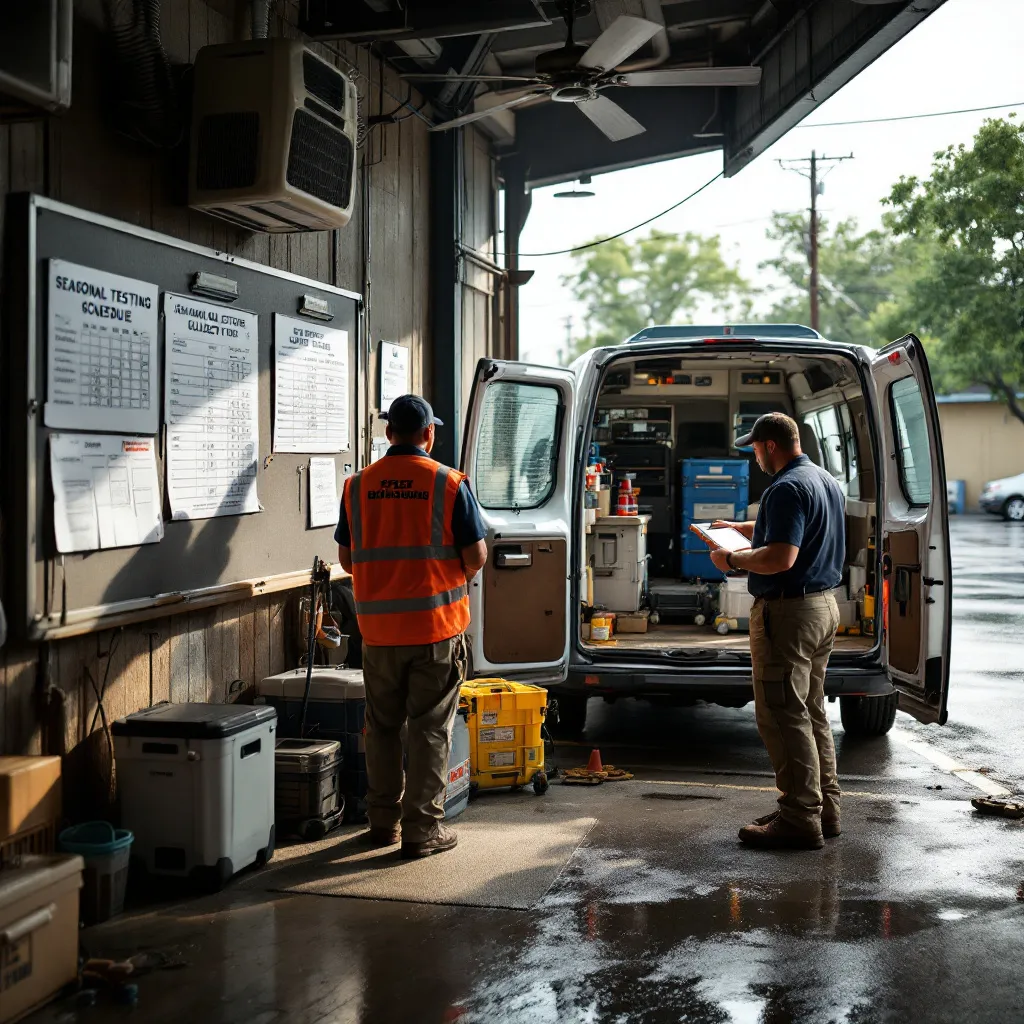



Common DOT Drug Testing Issues Employers Face In Houston Texas
As a local DOT physical provider and commercial driver health expert in Houston, I regularly consult with employers who are bewildered by the complexities of DOT Drug Testing. The regulations feel dense, the labs and MROs use specialized language, and small administrative errors can create compliance headaches. My goal in this article is to walk you through the most common issues I see in the field and offer practical, experience-based advice for employers across Houston, TX.
DOT Drug Testing challenges for Houston employers
One of the most frequent problems stems from incomplete or inconsistent policies. Employers who operate without a clear written drug testing policy risk uneven implementation that can lead to disputes or even failed audits. I often help companies create policies that tie into federal DOT regulations while also fitting local operational realities in Houston, from busy port operations to long-haul trucking routes. Practical policies reduce confusion among supervisors and drivers and set expectations for the testing process.
Chain-of-custody and specimen collection pitfalls
Proper specimen collection and chain-of-custody procedures are critical, yet they are also frequent sources of errors. Mistakes such as failing to document observed difficulties during collection, not using approved collection sites, or mishandling transfer paperwork can compromise an otherwise valid test. I coach employers on choosing clinics and collection sites that follow DOT protocols and on training supervisory staff to recognize when to refer a driver for testing. One simple habit—checking that the collection kit is sealed and labeled correctly before the driver leaves the room—prevents a surprising number of issues.
Understanding Medical Review Officer (MRO) communications
The role of a Medical Review Officer is often misunderstood. An MRO will contact the driver to verify legitimate medical explanations for certain test results, such as prescription medications that contain a controlled substance. Employers sometimes misinterpret these communications or pressure the MRO for details they are not permitted to share. I advise clients to rely on the MRO’s clearance or non-clearance decisions and to maintain confidentiality. Clear procedures for responding to MRO findings protect both the company and the driver’s rights.
Recordkeeping, retention, and audit readiness
Federal rules require specific record retention periods, and failing to retain documents or to destroy them at the required times can lead to compliance violations. Employers in Houston must balance operational demands with meticulous recordkeeping. I recommend establishing a simple, centralized filing system—whether digital or physical—that tracks DOT-required documents such as drug and alcohol testing results, chain-of-custody forms, and policy acknowledgments. Regular internal audits make it far easier to pass an external review.
Addressing split specimens and non-negative results
When a driver receives a non-negative result or requests a split specimen test, the process can feel adversarial. Educating drivers about their rights and the technical steps involved reduces anxiety and the potential for conflict. Employers should understand timelines for split specimen requests and the implications of a refusal to test. I encourage companies to approach these situations with clear, compassionate communication and a consistent application of policy to avoid claims of discrimination or unfair treatment.
Training supervisors and creating a safety-focused culture
Supervisors are the front line in recognizing potential drug or alcohol impairment. Yet I see many organizations allocate little time to realistic training. Effective supervisor training focuses not only on the legal triggers for testing but also on documentation practices and fair treatment of employees. Building a safety-focused culture in Houston means encouraging reporting, supporting employee assistance programs, and making sure drivers know how and when testing will occur. Culture reduces the need for repeated enforcement actions.
How a local clinic partnership can simplify compliance
Working with a trusted local clinic makes compliance easier. A neighborhood partner understands the pace and pressures of Houston operations and can offer streamlined scheduling, clear communication about required documentation, and timely specimen collection. When you have an established relationship, paperwork moves faster and misunderstandings decline. For employers who want a straightforward resource, scheduling testing and training through a reputable clinic can keep operations moving smoothly.
FAQ
Q: What triggers a DOT test for a driver? A: A DOT test can be triggered by pre-employment requirements, random selection, post-accident criteria, reasonable suspicion, return-to-duty, or follow-up testing. Each scenario has specific timelines and procedures that must be followed to ensure compliance.
Q: How long are DOT drug testing records kept? A: Record retention varies by document type; some records must be kept for one year, others for two or five years. Consult your compliance guide and keep a centralized system so required documents are available during audits.
Q: Can an employer discipline a driver for a positive test immediately? A: Employers must follow policy and DOT rules, which often involve the MRO verification process before taking disciplinary action. Immediate administrative steps may be necessary for safety, but termination should follow established procedures to avoid legal challenges.
Q: What if a driver refuses to provide a specimen? A: Refusal to test under DOT rules is treated seriously and can be considered a violation. It’s important to document the circumstances and follow your policy and federal guidelines for refusals.
Q: How do I choose the right collection site? A: Choose a site that follows DOT collection protocols, trains staff regularly, and communicates clearly with employers. A reliable collection site minimizes errors and helps maintain a defensible chain of custody.
If you are an employer in Houston seeking clarity, I encourage you to take proactive steps now: review your written policies, ensure supervisors receive realistic training, and partner with a dependable local clinic that understands the nuances of DOT testing in our region. For straightforward scheduling, resources, and local expertise on DOT Drug Testing, reach out and let a Houston-based specialist help you create a compliant, safety-first program.
Texas DOT Physicals
11811 East Fwy # 230, Houston, TX 77013, United States
Phone: +1 (877) 792-5546