

DOT Drug Testing Maintenance Tips For Houston Texas Facilities
As a Houston-based DOT physical and commercial driver health expert, I’ve seen firsthand how routine care and attention keep programs running smoothly and drivers safe. When I teach fleet managers and clinic staff about DOT Drug Testing, the conversation always begins with practical maintenance — from climate control in collection areas to verifying equipment calibration. Early attention prevents chain-of-custody headaches and helps maintain trust with drivers and regulators. This article walks through the maintenance habits that matter most for Houston facilities and offers realistic steps you can implement tomorrow.
DOT Drug Testing: Routine Maintenance and Compliance
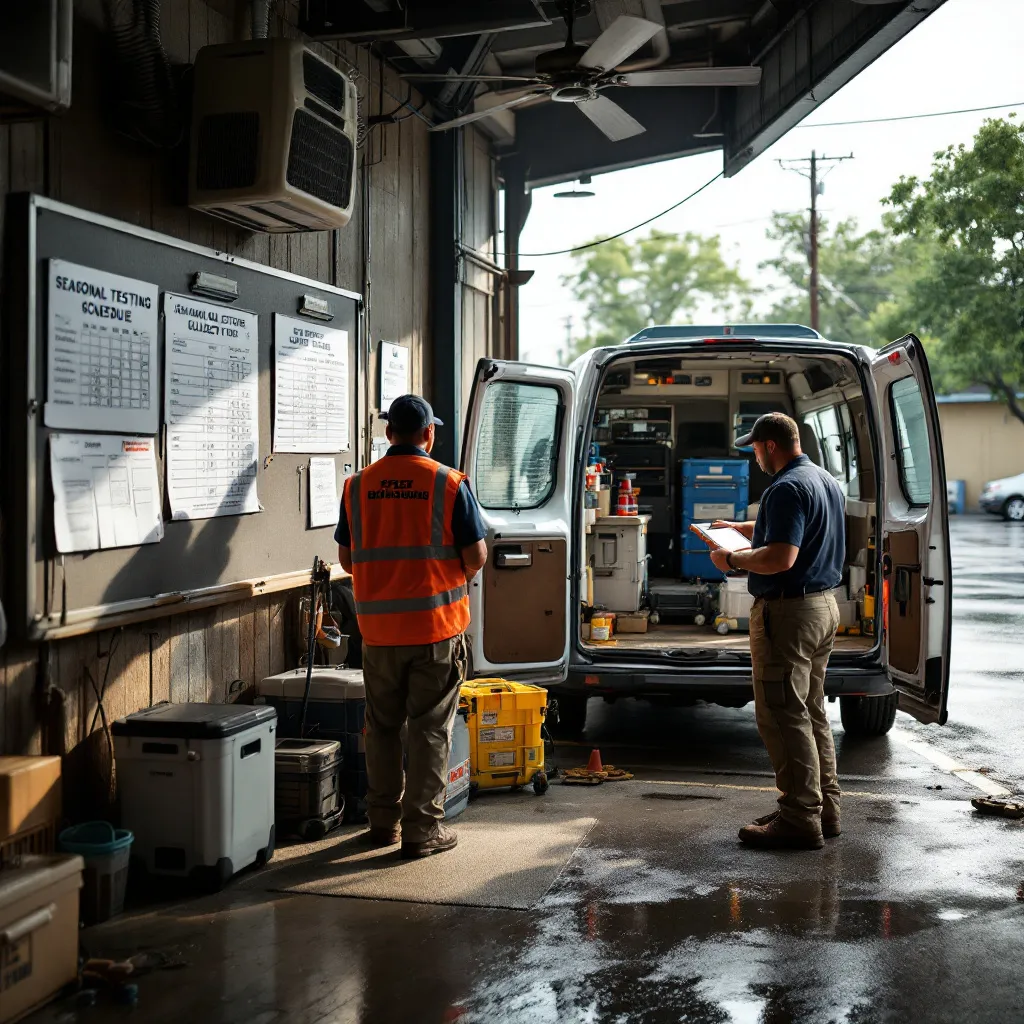
Maintenance for a DOT Drug Testing program is less about shiny equipment and more about dependable processes. In Houston’s humid climate, simple things like monitoring room temperature, protecting specimen cups from contamination, and storing test supplies away from sunlight can make a big difference. A well-maintained facility ensures specimen integrity, minimizes inconclusive results, and supports accurate laboratory analysis. I recommend creating a daily checklist for environmental controls and a weekly review of supplies so small issues are caught before they become regulatory problems.
Equipment Care and Calibration
Every collection site should treat its testing devices and ancillary equipment with predictable, documented care. Refrigeration units used for specimen storage need temperature logs, and point-of-care devices require regular calibration according to manufacturer guidelines. When devices fail calibration or show signs of wear, the facility must quarantine them immediately and record the incident. These actions protect the validity of results and demonstrate to auditors that the site follows a consistent maintenance program rather than relying on ad hoc fixes.
Environment, Cleanliness, and Chain of Custody
Clean collection spaces foster confidence. Keeping surfaces sanitized, using single-use materials where required, and maintaining a clear traffic flow reduces the risk of cross-contamination and preserves the chain of custody. Accurate labeling and secure storage of specimens prior to shipment are part of an overall maintenance mindset. I advise Houston facilities to schedule periodic mock-collections to test the whole process from arrival to shipping, which often highlights subtle maintenance gaps that only surface during full run-throughs.
Recordkeeping and Documentation Practices
Documentation is the backbone of compliance. A disciplined recordkeeping system that logs maintenance, calibration, temperature checks, and staff training demonstrates consistent oversight. Records should be accessible for internal review and available for DOT or state audits. Digital logs can be helpful, but paper backups and redundant storage protect against data loss. In my experience, maintaining neat, timely documentation often resolves questions before they escalate, because you can show exactly what was done, when, and by whom.
Staff Training and Accountability
Maintenance is only as effective as the people who carry it out. Regular training refreshers ensure that technicians understand why each maintenance step matters for DOT Drug Testing and how to execute it correctly. New staff should shadow experienced collectors, and all personnel should receive written procedures and an escalation path for equipment or environmental issues. Pairing accountability with constructive feedback helps teams improve, and scheduling periodic competency checks keeps performance consistent across shifts and over time.
Working with Labs and Vendors
Building a reliable relationship with your laboratory and equipment vendors simplifies maintenance responsibilities. Choose partners who provide clear instructions for specimen handling, pickup schedules, and returns for equipment repair. A responsive lab will flag specimen issues fast and advise on corrective steps, reducing repeat collections. Whenever possible, document vendor communications and service visits so you have a continuous log of external support that complements your in-house maintenance efforts. For local facilities I often recommend reviewing vendor contracts annually to ensure service levels match your operational realities.
Mid-Article Reminder and Local Resources
Keeping maintenance top of mind also means leveraging trusted local resources when questions arise. If you need procedural refreshers or want to streamline controls at your clinic, consider consulting resources that specialize in occupational health for drivers. For practical guidance tied directly to DOT standards, this page is a helpful reference: DOT Drug Testing. Local expertise can translate national rules into day-to-day actions that fit Houston workflows.
FAQ
Q: How often should equipment be calibrated?
A: Calibration frequency depends on manufacturer recommendations and the intensity of use, but a common practice is monthly verification with a documented log. Immediately recalibrate after any suspected malfunction and keep records for audits.
Q: What environmental conditions matter most for specimen integrity?
A: Temperature control is critical, especially in Houston. Maintain recommended storage ranges, avoid direct sunlight on supplies, and ensure collection areas are clean and dry. Regular monitoring prevents degraded samples and preserves laboratory accuracy.
Q: Who is responsible for chain-of-custody maintenance?
A: The collection site is primarily responsible for initiating a clear chain of custody. That responsibility includes labeling, secure storage, accurate paperwork, and timely shipment. Training staff on each link in the chain reduces errors that jeopardize results.
Q: When should I involve my laboratory or vendor?
A: Contact your lab or vendor if you suspect equipment malfunction, receive an unexpected result, or have questions about specimen handling. Vendors often provide troubleshooting and can schedule maintenance or replacement when needed.
If your facility is ready to strengthen maintenance practices and ensure reliable DOT Drug Testing procedures, reach out for a focused review and tailored recommendations that reflect Houston operations. I can help you design checklists, audit templates, and training modules to keep your program inspection-ready and driver-focused. Learn more about practical, local support here: DOT Drug Testing, and let’s set a plan that reduces risk and improves consistency.
Texas DOT Physicals
11811 East Fwy # 230, Houston, TX 77013, United States
Phone: +1 (877) 792-5546