


Common DOT Drug Testing Issues Employers Face in Houston Texas
As someone who has worked with commercial drivers and employers across Houston for years, I often see confusion around DOT Drug Testing and what it truly requires. In this article I’ll walk you through the most common problems employers encounter, from specimen collection errors to misunderstandings about medical review officer (MRO) processes, with practical advice tailored to Houston’s transportation community. If you supervise drivers or manage a fleet, understanding these issues can save you time, legal headaches, and protect your team on the road.
Why DOT Drug Testing matters for Houston employers
DOT Drug Testing is more than a checkbox for compliance: it’s a safety program that reflects how seriously a company takes the health and reliability of its drivers. In Houston, where long hauls, local freight and dense traffic converge, employers must be proactive about policies and the logistics of testing. I emphasize prevention and clear procedures because most problems stem from unclear expectations, rushed collections, or incomplete documentation.
Typical collection and specimen issues
One of the most frequent problems I see involves the collection process. Specimen tampering, chain-of-custody errors, and improper temperature readings are common pitfalls. Collectors and employers sometimes overlook training refreshers, and when procedures deviate from federal guidelines, a test result can be challenged or rendered invalid. In Houston, where staffing turnover can be high, maintaining a list of certified collectors and scheduling routine audits of your paperwork helps reduce these risks.
Common DOT Drug Testing policy and documentation mistakes
Another area where employers stumble is in their internal policy language and documentation practices. Policies that aren’t specific about post-accident testing, reasonable suspicion, or return-to-duty steps invite inconsistency. Employers sometimes fail to document supervisor observations properly or to keep training records that demonstrate enforcement. Clear written policies that reflect federal DOT regulations, combined with documented training sessions for supervisors, will serve you well if a regulatory review ever occurs.
Issues with Medical Review Officers and confirmatory testing
MROs play a crucial role in interpreting lab results and handling legitimate medical explanations. Delays in MRO review or poor communication between the lab, MRO, and employer can create confusion and increase liability. I counsel employers to establish direct channels with their chosen MRO and to ensure drivers understand the process for declaring prescriptions or medical conditions. In many cases, a quick conversation with the MRO clarifies a result and avoids unnecessary disciplinary action.
How misunderstandings about coverage and testing windows create problems
There’s often a misconception about who is subject to testing and when. Employers may not realize that certain DOT-covered positions require ongoing random testing or post-accident tests, and they may be unsure how to manage off-duty incidents that don’t trigger DOT rules. Training that explains covered functions, random pool mechanics, and post-accident criteria helps employers avoid disputes and ensures drivers know what to expect.
Mid-article guidance: improving compliance and minimizing errors
Practical steps include regular staff training, maintaining accurate lists of covered employees, and using reputable collection sites. When employers are unsure where to turn for reliable testing services, a local resource focused on transportation health can be invaluable. For Houston companies, using vetted providers and establishing consistent scheduling practices prevents last-minute scrambling that often leads to mistakes. Many employers I work with find that a clear point person for testing logistics reduces stress for supervisors and drivers alike. For convenience and consistent procedures, I recommend familiarizing yourself with trusted local options such as DOT Drug Testing and aligning internal practices with their recommendations.
Training and communication: the foundation of reliable testing programs
Good communication is the backbone of any DOT program. Supervisors must be trained to identify signs of impairment and to follow the documentation process without delay. Drivers need straightforward explanations about their rights and responsibilities. I advise hosting periodic refresher sessions that include mock scenarios so both management and drivers are comfortable with the steps to take if testing is required. This reduces anxiety and improves cooperation when real incidents occur.
Handling disputes and what to expect during investigations
When disputes arise, whether over a collection procedure or a test result, employers should act methodically: document the timeline, preserve records, and consult with the MRO or legal counsel as appropriate. In Houston, we sometimes see informal resolutions when employers engage transparently and follow established protocols. Avoid ad hoc decisions that aren’t supported by documentation, because those are the situations that most frequently escalate into formal complaints.
Frequently asked questions
Q: What triggers a DOT Drug Testing requirement for a driver? A: DOT testing is typically triggered by pre-employment screening, random selection, reasonable suspicion, post-accident incidents, return-to-duty clearance, and follow-up testing. Each trigger has specific procedures and timelines that must be followed.
Q: How long does a positive result stay on record? A: Positive results are handled through the MRO process, and employers must follow DOT procedures for documentation and any required return-to-duty steps. Records related to the test and MRO determinations are retained according to federal recordkeeping rules.
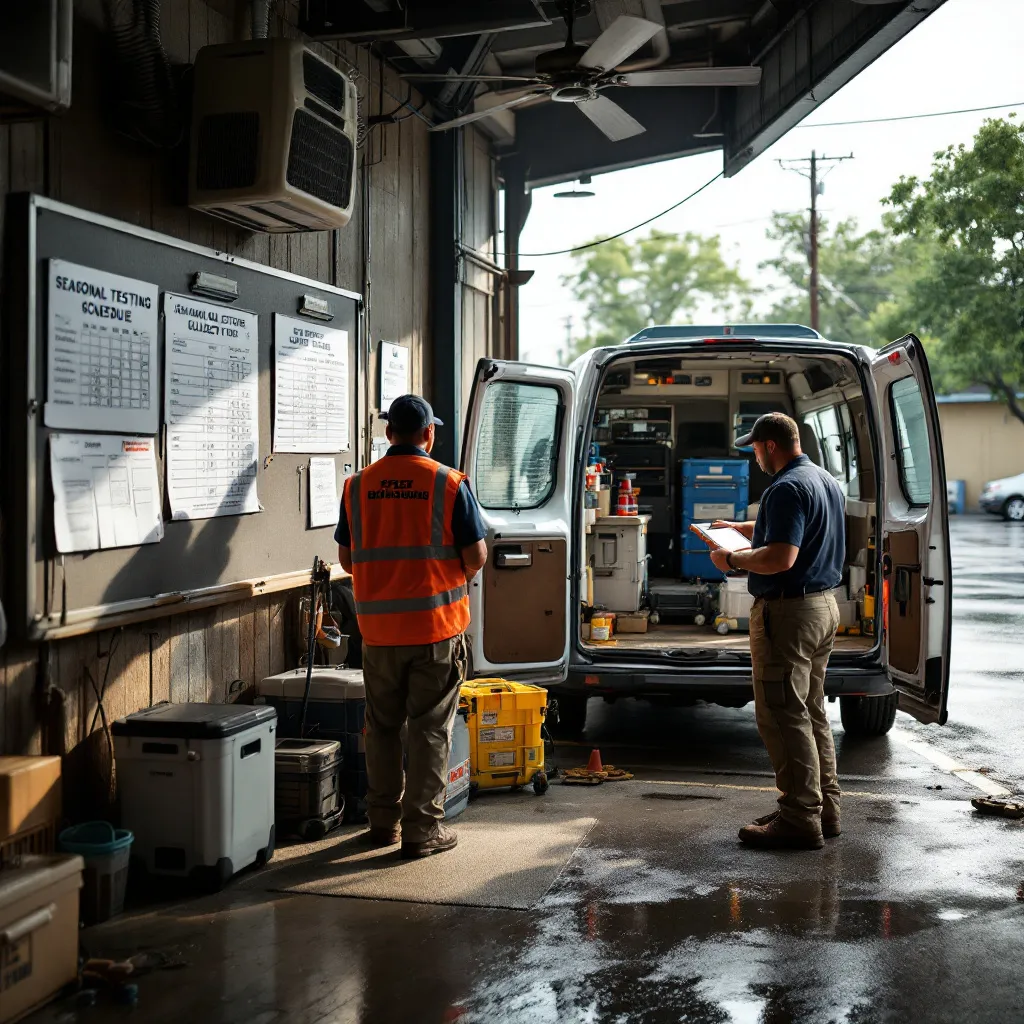
Q: Can an employer perform testing at their own site? A: Employers must use certified collectors and labs that meet DOT standards. While some employers may host mobile collection events, the collector and chain-of-custody procedures must comply strictly with DOT regulations to ensure validity.
Q: What should I do if a driver refuses a test? A: Refusal is treated seriously under DOT rules and often has the same consequences as a confirmed positive. Follow your written policy, document the refusal, and consult the MRO or your safety advisor for next steps.
There’s a lot to manage, but with the right systems in place you can reduce errors and protect both your drivers and your company. If you need a dependable local partner to handle testing logistics or to answer specific questions about federal requirements, reach out and get guidance tailored to Houston operations. For trusted local services and streamlined testing practices, consider connecting with DOT Drug Testing to set up consistent procedures and support.
As a final note, practical compliance is about preparation, open communication, and working with reliable partners who understand the unique demands of Houston’s commercial driving community. If you’re ready to strengthen your program or need help navigating a specific incident, contact a local expert to get started. Learn more about DOT Drug Testing and schedule a consultation through our tested local resources at DOT Drug Testing. We can help you align policies, train staff, and manage collections so your operation runs safely and smoothly.
Texas DOT Physicals
11811 East Fwy # 230, Houston, TX 77013, United States
Phone: +1 (877) 792-5546