


Emerging DOT Drug Testing Trends Affecting Houston Texas Fleets
As someone who has worked with commercial drivers and fleet managers across Houston for years, I’m watching how regulations and on-the-ground realities are shifting. The landscape for DOT Drug Testing is evolving quickly, and local carriers need practical guidance to stay compliant while protecting driver health and operations. I’ll walk you through the trends I’m seeing and what they mean for fleets operating in the Houston metro area.
How DOT Drug Testing Trends are Shaping Houston Fleets
Recent national policy updates and state-level enforcement patterns are intersecting with Houston’s busy freight environment. Changes in testing panels, increased focus on prescription and over-the-counter medication interactions, and more attention on post-accident screenings are all factors. For fleet owners, these aren’t abstract topics: they affect hiring, training, and daily operations. In Houston, where drivers often work long shifts and face unique traffic and weather challenges, understanding these trends helps reduce risk and maintain uptime.
Advances in Testing Technology and Their Practical Impact
Testing technology is improving in sensitivity and speed, and labs are better at detecting a wider array of substances and metabolites. That means a positive result may come from legitimate-use medications or cross-reactivity unless properly documented. Fleets should work closely with Medical Review Officers (MROs) and occupational health providers to interpret findings accurately. In practice, this means better pre-employment screenings, clearer return-to-duty protocols, and defined pathways for drivers to disclose legitimate prescriptions without jeopardizing their careers.
Policy, Compliance, and the Role of Local Providers
Compliance remains a top concern. DOT guidance emphasizes chain-of-custody, timely reporting, and consistent random testing rates. For Houston fleets, partnering with trusted local providers who understand regional enforcement and have experience with commercial driver medical issues is a strategic advantage. A local provider can help fleets design realistic testing schedules, train supervisors to recognize impairment, and craft policies that balance safety with fairness. When you need reliable information, reaching out to a local testing partner can simplify the compliance process and reduce administrative burden.
Driver Wellness, Education, and Retention
Another trend is the growing recognition that effective drug-testing programs are part of a broader driver wellness strategy. Education about prescription interactions, fatigue management, and mental health resources reduces the likelihood of positive tests and supports retention. In Houston’s competitive labor market, drivers value employers who invest in their health and safety. Fleets that pair testing with supportive policies — clear return-to-work pathways, confidential counseling referrals, and ongoing education — often see better outcomes than those that treat testing as purely punitive.
Operational Adjustments for Houston Traffic and Weather
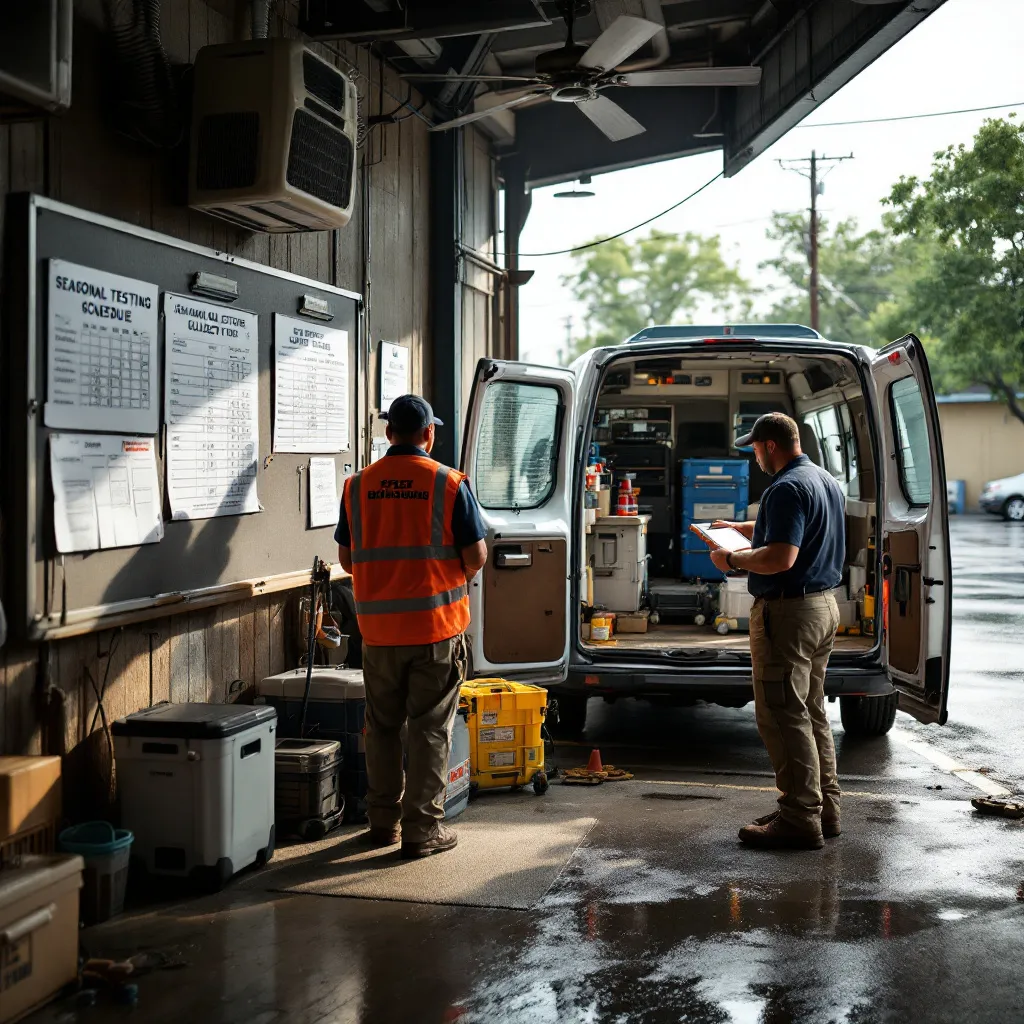
Logistics in Houston present unique operational realities: traffic congestion, long-haul regional trips, and weather-related disruptions such as severe storms or flooding. These factors influence when and how testing can be done. Practical adjustments include flexible testing appointment windows, mobile collection services for roadside or remote needs, and contingency plans for post-accident testing during irregular hours. Building those contingencies into company policy minimizes disruption and keeps drivers informed and prepared.
Where to Start: Resource Coordination and Best Practices
Coordinating testing with HR, safety managers, and healthcare providers creates smoother workflows. Make sure policies are clearly written, drivers receive regular training, and supervisors understand reporting requirements. Establish direct channels for consultation so that when a test result is unclear, your team can quickly engage an MRO or occupational health expert to resolve the case. If you want a straightforward place to begin aligning policies with current practice, consider contacting a local testing specialist who knows Houston’s regulatory environment and fleet challenges: DOT Drug Testing.
Frequently Asked Questions about DOT Drug Testing
Q: What substances are typically screened in DOT tests?
A: DOT panels focus on controlled substances like marijuana, cocaine, opiates, amphetamines, and phencyclidine. Some updates and state-level changes can influence testing emphasis; always confirm the current panel with your testing provider.
Q: How do prescription medications affect test outcomes?
A: Legitimate prescriptions can trigger positive results depending on the substance and test sensitivity. Proper documentation and communication with an MRO are essential to determine if a result reflects proper medical use.
Q: What should a fleet do after a post-accident test?
A: Follow DOT protocols for immediate testing, document the incident thoroughly, and ensure driver safety. Engage an MRO quickly if the result is non-negative to determine next steps and return-to-duty requirements.
Q: How often must drivers be randomly tested?
A: Random testing rates are set by DOT and may change; fleets must follow the current percentage and ensure randomness in selection. Your compliance partner can help implement a defensible random testing program.
Staying ahead of DOT testing trends demands both vigilance and compassion. Practical steps — clear policies, partnerships with experienced local providers, driver education, and contingency planning — will help Houston fleets manage risk and support drivers. If you’d like professional assistance tailored to our region, reach out to a trusted local resource to discuss how these trends apply to your operation: DOT Drug Testing.
Texas DOT Physicals
11811 East Fwy # 230, Houston, TX 77013, United States
Phone: +1 (877) 792-5546