


Common DOT Drug Testing Issues Employers Face In Houston Texas
As a Houston-based DOT physical and commercial driver health expert, I see employers struggle with regulatory and practical problems every day, and one recurring theme is ensuring reliable DOT Drug Testing programs. In the introduction to this topic I want to acknowledge that trucking, transit and other safety-sensitive industries face unique pressures: tight schedules, high turnover, and the constant need to stay compliant with federal rules while protecting the health of drivers and the community.
DOT Drug Testing: Why employers in Houston must pay attention
DOT-mandated testing is not optional for covered employers, and misunderstandings about who, when, and how to test create the bulk of compliance issues I encounter. Employers sometimes assume a one-size-fits-all approach will work, but federal regulations require specific procedures for pre-employment, random, post-accident, reasonable suspicion, return-to-duty, and follow-up testing. Each category has its own timing and documentation standards, and failing to follow these precisely can expose an employer to penalties, litigation, and safety risks.
Common operational hurdles and how they show up on the ground
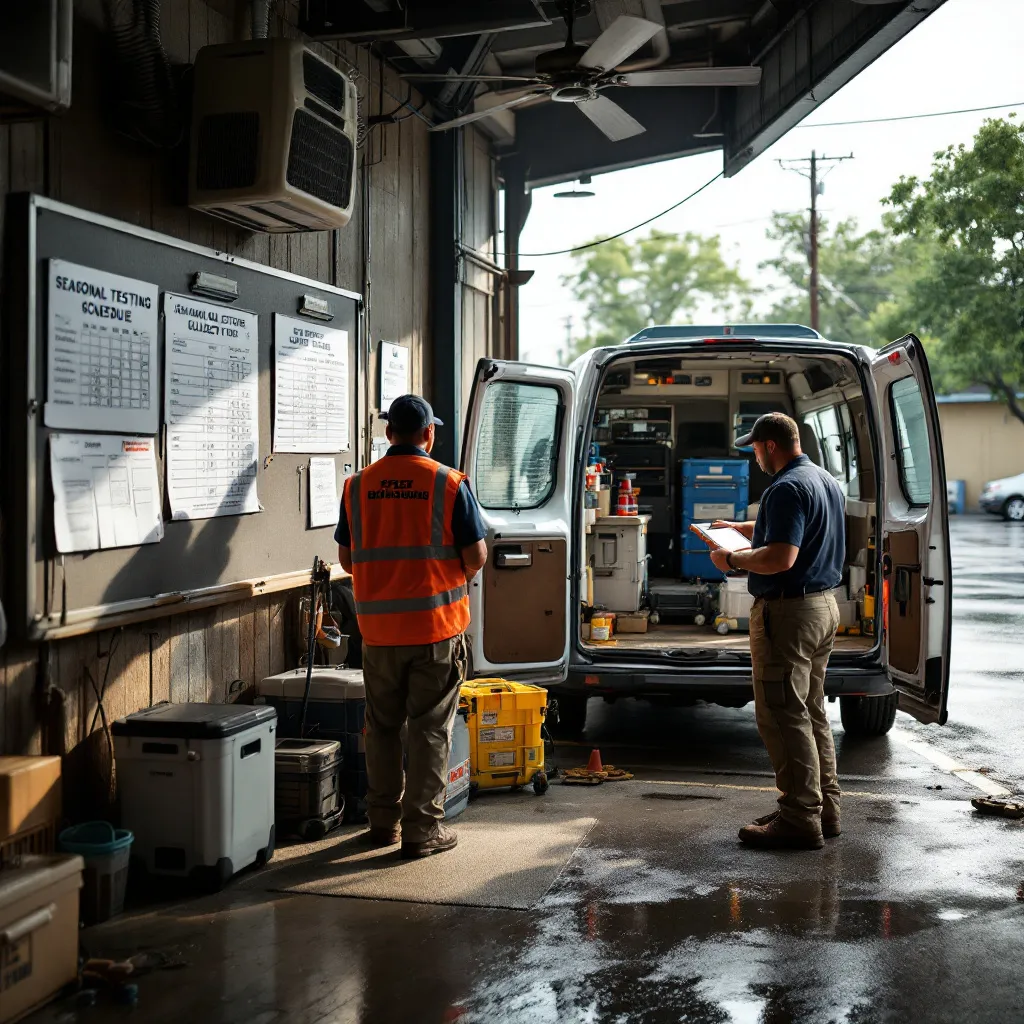
Operational failures tend to be practical: missing a drug test window after an accident, mishandling chain-of-custody paperwork, or using a collection site that doesn’t meet DOT certification requirements. In Houston, where multiple collection sites exist across the metro area, employers sometimes pick vendors based on convenience rather than DOT credentialing. Training gaps are another frequent problem; supervisors may not recognize signs that justify a reasonable suspicion test, or managers may be unclear about how to document and report results. These gaps create delays, inconsistent responses, and sometimes unfair treatment of drivers.
Medical review and documentation: a vital but overlooked piece
The Medical Review Officer (MRO) step is essential and can be a surprising source of delays. An MRO evaluates positive lab results and interviews the employee to determine if there’s a legitimate medical explanation. I regularly advise employers to maintain clear communication channels with their MROs and ensure timely release of test results. Poor documentation of training, testing events, and return-to-duty protocols weakens your defense if a dispute arises, and it hampers your ability to protect drivers who may need treatment rather than punishment.
Random testing programs and statistical compliance
Random testing is legally sensitive because it must meet annual percentage rates set by the Department of Transportation. Employers often misunderstand the math behind sample sizes or delay testing until late in the year, which can cause an artificial spike in positives or noncompliance. A disciplined, year-round approach with reliable vendors helps avoid these pitfalls. In Houston, unpredictable traffic and long shifts can make scheduling random tests harder, so partnering with collections providers who understand commercial drivers’ schedules is essential.
Substance use trends and local considerations
Drug use patterns change over time, and awareness of local trends helps employers interpret test results and shape prevention strategies. In our community, accessibility of treatment resources and stigma around seeking help both influence outcomes. Employers who build a culture of safety that encourages early intervention and confidential help for drivers often see lower rates of violations and better retention. Prevention, education, and clear return-to-duty pathways are all part of a constructive approach.
When choosing a testing partner, verify DOT credentials and look for providers who understand commercial driving rhythms. If you need a reliable resource for setup, confirmation testing, or ongoing program management, I recommend a local provider experienced in trucking and transit operations; they can help streamline processes and reduce the common errors I’ve seen in Houston workplaces. One dependable option to consider is DOT Drug Testing, which can assist with implementing compliant procedures and clearing up confusion about federal requirements.
Training supervisors and protecting employee rights
Supervisor training is more than a checkbox. Effective training teaches managers how to document observable behavior, obtain timely medical evaluations, and treat drivers with respect while protecting safety. I stress that employers must balance enforcement with compassion—when a driver tests positive, prompt referral to qualified treatment and a structured return-to-duty plan often preserves careers and improves safety compared with an exclusively punitive response.
FAQ
Q: What triggers a DOT drug test?
A: Triggers include pre-employment, random selection, post-accident investigations, reasonable suspicion by trained supervisors, return-to-duty after a violation, and follow-up testing. Proper documentation and timing are essential for each type.
Q: How quickly must a post-accident test be performed?
A: The DOT requires prompt collection after certain accidents, and delays can complicate compliance. Employers should have clear procedures in place to get drivers to an approved collection site as soon as safety permits.
Q: Can an employer use any local lab?
A: No. DOT testing must be performed by labs that meet federal certification requirements. Employers should verify credentials before relying on a vendor for collections or analyses.
Q: What should an employer do if a driver tests positive?
A: Confirm that proper MRO review was completed, remove the driver from safety-sensitive duties, and follow mandated return-to-duty processes, including evaluation and any required treatment or follow-up testing.
If your Houston organization is wrestling with program design, supervisor training, or vendor selection for DOT testing, take the next step to protect your drivers and your operation. I encourage employers to seek expert guidance to review policies, train staff, and set up compliant testing pathways—starting with a trusted local partner who understands commercial driving demands. For practical, Houston-focused assistance with program setup and ongoing management, contact DOT Drug Testing and schedule a consultation today to reduce risk and improve safety.
Texas DOT Physicals
11811 East Fwy # 230, Houston, TX 77013, United States
Phone: +1 (877) 792-5546