


DOT Drug Testing Benefits For Houston Texas Employers
As a local DOT physical and commercial driver health expert in Houston, I see firsthand how proactive safety programs protect companies and drivers alike. One foundational element is DOT Drug Testing, which establishes clear expectations, reduces risks on the road, and helps employers maintain compliance with federal regulations. In this article I’ll walk through why DOT testing matters in Houston, how it supports workplace safety, and what employers can realistically expect from an efficient program.
Understanding DOT Drug Testing Requirements
The DOT has strict rules for safety-sensitive transportation roles and these requirements set the minimum standards employers must meet. For Houston companies that employ commercial drivers, meeting those standards means more than avoiding fines; it means assuring public safety and preserving the company’s reputation. I explain policy basics to managers and safety officers in plain language, helping them see that the program is intended to be fair, consistent, and focused on impairment prevention rather than punishment.
Why Houston Employers Should Prioritize Testing
Houston’s robust transportation and petrochemical industries rely on a workforce that moves people and critical goods every day. When employers prioritize testing, they reduce the chances of on-the-job incidents and protect both workers and the public. A strong testing program also creates a predictable framework for hiring, post-accident procedures, random testing, and return-to-duty plans. For many local employers, this translates to fewer liability exposures and clearer pathways for helping employees who need assistance.
How a DOT Drug Testing Program Works in Practice
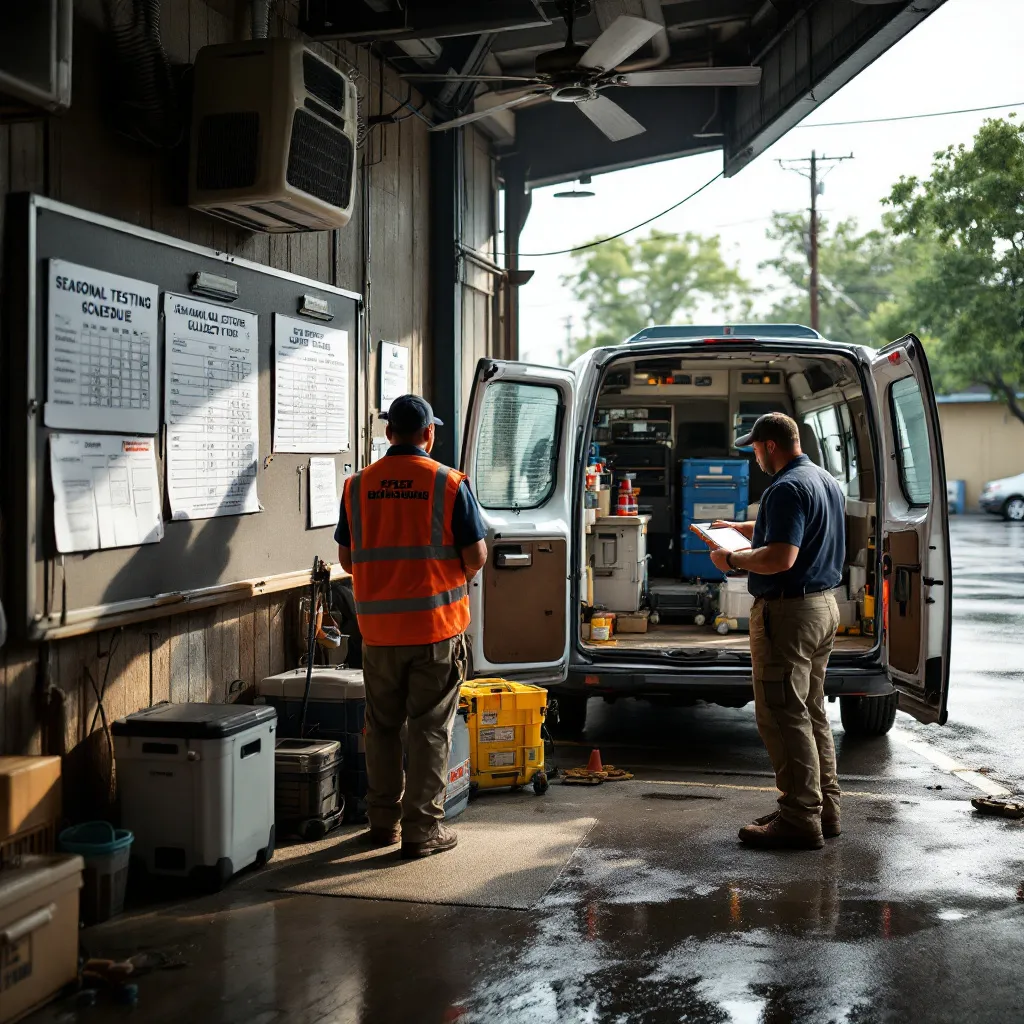
Implementing a DOT-compliant program doesn’t have to be overwhelming. It begins with clear policies, employee education, and choosing the right collection partners. I recommend that Houston employers partner with labs and collection sites experienced in DOT protocols to ensure chain-of-custody is airtight. One convenient resource I frequently refer clients to for local testing is DOT Drug Testing, which offers common DOT services and understands the expectations of both employers and drivers.
Benefits Beyond Compliance: Health, Retention, and Culture
Beyond avoiding regulatory issues, DOT drug testing fosters a culture of safety and supports employee health initiatives. When drivers know there is a standardized testing program, the incentive to remain fit for duty increases. Employers often pair testing programs with training and employee assistance resources to address substance use concerns compassionately. This approach improves retention by showing staff that safety and wellbeing matter, not just metrics and schedules.
Common Concerns and Practical Solutions
Managers frequently ask about fairness, privacy, and how testing affects morale. Addressing these concerns starts with transparent communication: explain the reasons for testing, the procedures, and how results are handled confidentially. Establishing a consistent, non-discriminatory policy and providing access to return-to-duty and treatment options helps maintain trust. With the right policies in place, testing is viewed as part of a larger safety program rather than an adversarial measure.
Working with Local Providers and Recordkeeping
Houston employers benefit from partnering with collection sites and occupational health clinics that understand DOT timelines and documentation requirements. Accurate recordkeeping for pre-employment, random, post-accident, reasonable suspicion, and return-to-duty tests is essential for audits and liability protection. A seasoned local partner can streamline scheduling, results reporting, and follow-up processes so safety officers can focus on broader operational concerns rather than paperwork.
Frequently Asked Questions
Q: What substances are covered by DOT drug testing?
A: DOT testing screens for federally regulated substances, including commonly abused drugs that impair driving ability. Local providers follow the federal testing panel and procedures to ensure results are legally defensible and consistent across industries.
Q: Can an employer in Houston add additional tests beyond the DOT panel?
A: Employers may implement additional testing under non-DOT authority as long as policies are clear and consistently applied. Any supplemental testing should be discussed with legal counsel and occupational health partners to ensure compliance with state and federal law.
Q: How often should random testing be conducted?
A: Random testing frequency depends on the employer’s needs and applicable regulatory minimums. Many employers use randomized schedules to maximize deterrence while remaining compliant with DOT guidance on selection methods.
Q: What happens after a positive test?
A: A confirmed positive DOT test triggers specific procedures, including notification, potential removal from safety-sensitive duties, and a return-to-duty process that includes evaluation and follow-up testing. Employers should have clear policies and work with qualified medical review officers to handle results fairly.
For Houston employers looking to strengthen driver safety and regulatory compliance, a thoughtful DOT program is a clear investment in long-term resilience. To get started or to refine your existing approach, connect with local experts who specialize in commercial driver health and testing—expert partners make the program easier to administer and more effective at preventing incidents. Visit DOT Drug Testing to learn how local services can support your team and compliance efforts.
Texas DOT Physicals
11811 East Fwy # 230, Houston, TX 77013, United States
Phone: +1 (877) 792-5546