

DOT Drug Testing Maintenance Tips For Houston Texas Fleet Compliance
Keeping a commercial fleet safe and compliant in Houston requires attention to many moving parts, and the human element is as critical as the mechanical one. As a local DOT physical and commercial driver health expert, I’ve worked with owners and safety managers to make DOT Drug Testing a routine, reliable part of fleet maintenance rather than an afterthought. When drivers, supervisors, and medical review officers understand the steps and schedules involved, compliance becomes part of daily operations, not paperwork anxiety.
Why DOT Drug Testing Matters for Houston Fleets
In Houston’s busy transportation environment, maintaining a clean and sober workforce protects your drivers, other road users, and your company’s reputation. DOT Drug Testing helps identify risks early, supports return-to-duty protocols when needed, and meets federal and state requirements that auditors check during inspections. Beyond regulation, a consistent testing program reinforces a culture of safety and accountability that crews and customers appreciate. My approach focuses on practical integration: treating drug testing like a scheduled inspection, with predictable routines and clear responsibilities.
DOT Drug Testing and Routine Safety Maintenance Integration
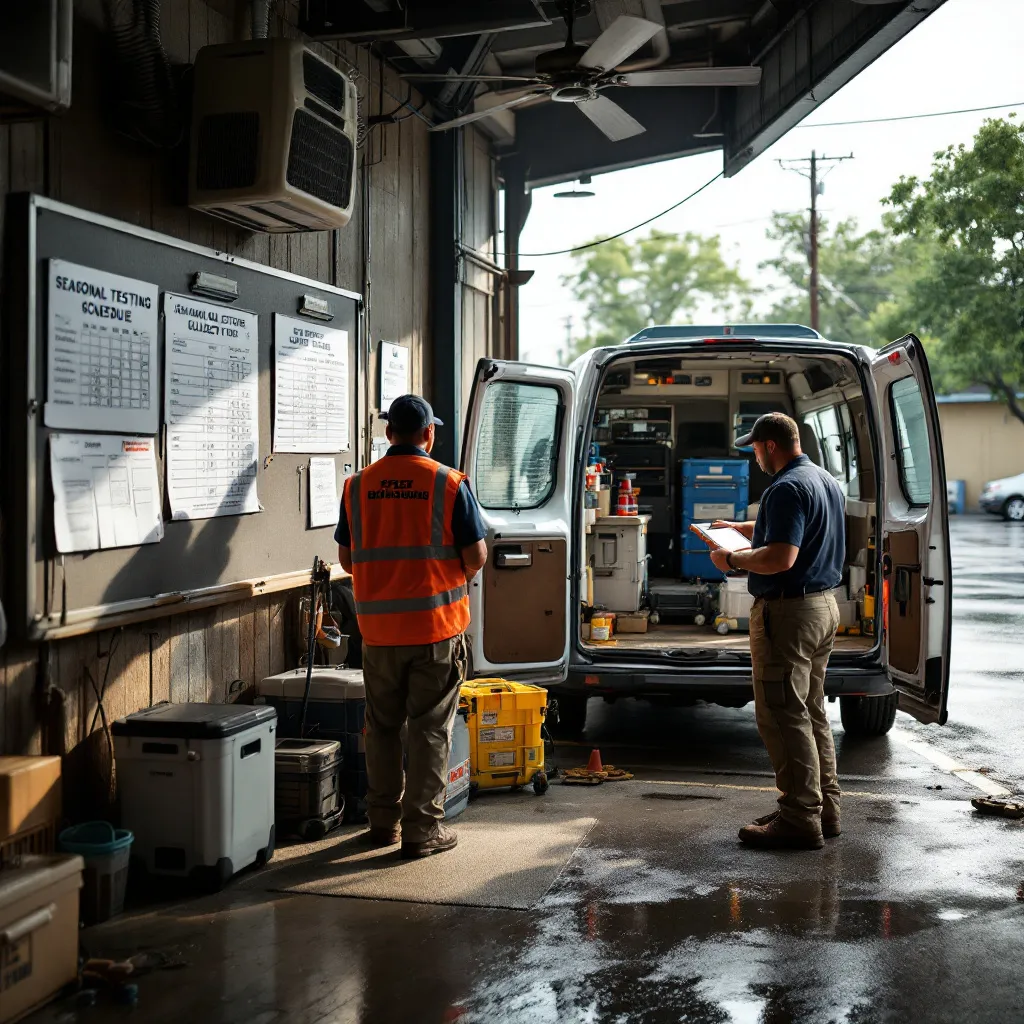
Integrating DOT Drug Testing into routine maintenance schedules reduces disruptions and improves compliance rates. Think of it as aligning annual physicals with vehicle inspections: set recurring reminders, coordinate testing with service appointments, and ensure drivers have time to complete required paperwork. In Houston, where traffic and weather can shift plans quickly, centralized scheduling and consistent communication prevent missed tests and late reports. Partnering with a nearby testing provider and building a simple calendar system are two straightforward steps fleet managers can take today.
Establishing Clear Policies and Training
Clear, written policies make it easier to enforce DOT Drug Testing requirements. Policies should explain who is tested, under what circumstances, how random pools are managed, and what happens when a test is positive or refused. Regular training ensures drivers understand consent forms, collection site procedures, and chain-of-custody safeguards. Use brief, in-person refreshers during safety meetings and provide easy-to-access written materials. Consistency removes ambiguity and helps crews focus on safe driving rather than procedural confusion.
Practical Tips for Recordkeeping and Documentation
Accurate records are the backbone of compliance. Keep test results, consents, employee notifications, and program audits organized and backed up. Many Houston fleets use secure digital systems with role-based access so supervisors can verify tests without exposing private health data. Regular internal audits help catch lapses early: review random selection logs, ensure forms are complete, and verify that medical review officer (MRO) communications are archived. These small investments in organization save time during federal or state reviews.
Working with Testing Providers and Medical Review Officers
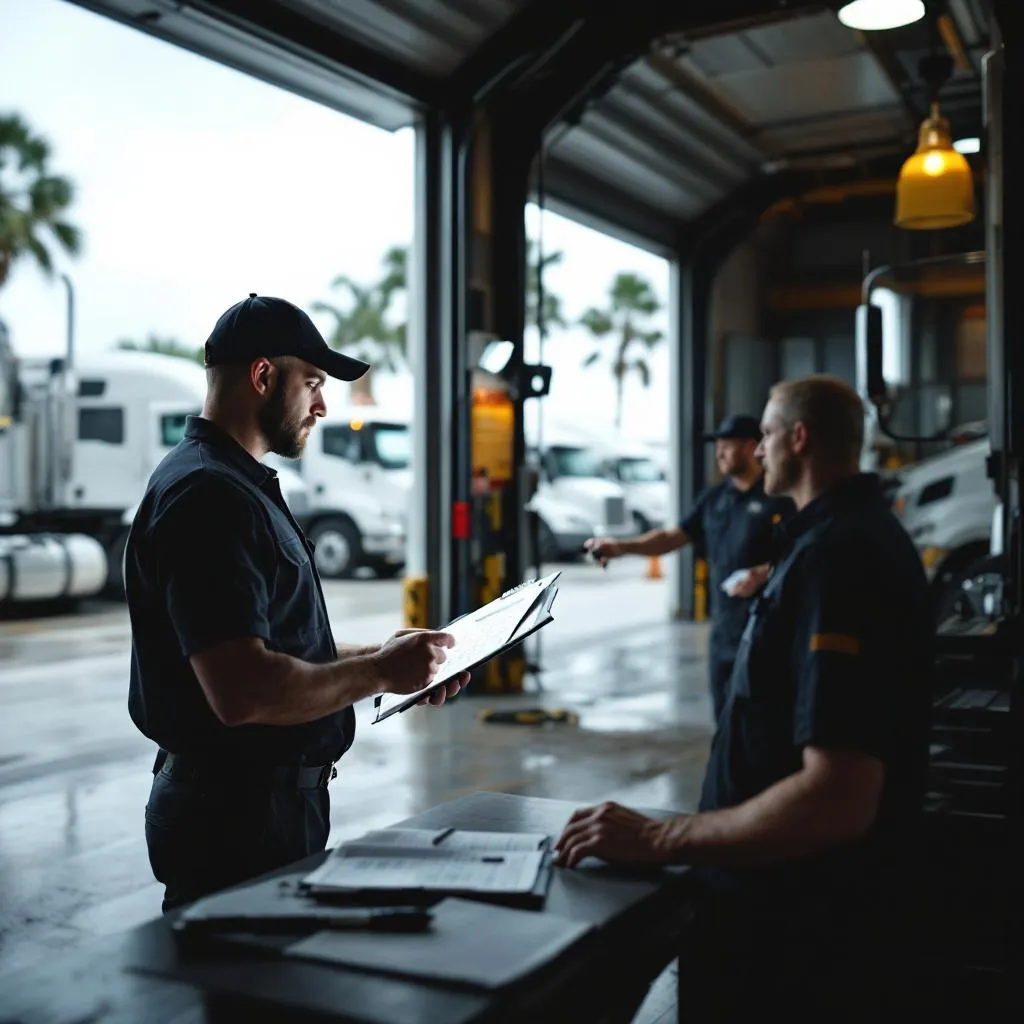
A responsive testing provider and experienced MRO can make a major difference. Establish service-level expectations for turnaround times, specimen handling, and reporting methods. Good providers also offer guidance on return-to-duty procedures and can assist with reasonable suspicion testing training. For Houston fleets, proximity matters during busy shifts; choosing a provider with local familiarity reduces logistical friction and ensures your drivers get prompt, respectful service. When you collaborate with a trusted partner, routine compliance becomes a smoother operational rhythm. For convenient scheduling and local expertise, consider DOT Drug Testing services that understand Houston’s unique needs.
Addressing Common Compliance Challenges
Missed tests, incomplete paperwork, and unclear communication are the typical culprits when fleets fall short. Solve these by assigning a compliance coordinator, automating reminders, and maintaining an accessible policy manual. When incidents occur, respond with consistent steps: secure immediate safety, document actions, and follow return-to-duty protocols. Create a non-punitive environment for reporting medical issues and substance-use concerns so drivers seek help without fear of reprisal. Preventative measures and compassionate management go hand in hand to sustain compliance.
FAQ
Q: How often must DOT Drug Testing occur for CDL drivers?
A: Frequency depends on the program elements required by federal regulations—pre-employment, post-accident, random, reasonable suspicion, return-to-duty, and follow-up testing. Random pools are particularly important; your fleet should maintain an up-to-date list of drivers eligible for selection and follow the required selection rates.
Q: What should I do after a positive test result?
A: A positive test triggers contact with a medical review officer (MRO) who reviews medical explanations and lab results. Follow established company policies, ensure the driver receives appropriate notifications, and adhere to federal return-to-duty steps, which typically include evaluation by a qualified substance abuse professional (SAP) and a follow-up testing plan.
Q: Can drug testing be coordinated with routine vehicle maintenance?
A: Yes. Coordinating testing with vehicle inspections or annual physicals reduces downtime and improves compliance. Plan testing appointments around service schedules and communicate expectations clearly so drivers can attend without disrupting operations.
Q: Who is responsible for keeping DOT testing records?
A: Employers must retain certain records and ensure privacy protections. Designate a records custodian and implement secure storage practices. Regular audits and clear retention schedules help meet regulatory requirements and protect both the company and employees.
Maintaining DOT Drug Testing compliance in Houston is achievable when you treat testing as part of your fleet’s routine health and safety maintenance. Start with clear policies, schedule integration, and reliable partners to reduce friction and elevate safety. If your team needs local support to streamline testing, recordkeeping, or training, reach out to a Houston provider that knows the industry and can help you implement practical, long-lasting processes. Contact our office for guidance and scheduling: DOT Drug Testing. DOT Drug Testing remains a core element of a safe, compliant fleet.
Texas DOT Physicals
11811 East Fwy # 230, Houston, TX 77013, United States
Phone: +1 (877) 792-5546