


DOT Random Drug Testing Requirements for Houston Texas Employers
As a Houston-based DOT physical and commercial driver health expert, I often speak with employers who want clear, practical guidance about DOT Drug Testing and how random testing requirements affect their safety-sensitive employees. Understanding federal rules and how they apply locally can feel overwhelming, but with the right approach employers and drivers in Houston can stay compliant and keep their fleets safe. For Houston companies, clarity about selection methods, testing rates, and proper administration is the first step toward predictable, defensible programs, and that starts with knowing where to get reliable testing services: DOT Drug Testing.
DOT Drug Testing: Who and What Is Covered
The Department of Transportation requires testing for employees in safety-sensitive positions, which typically includes commercial motor vehicle drivers, aviation personnel, pipeline workers, and several other categories depending on the modal agency. In Houston, this means city and private carriers, courier services with CDL drivers, and contractors working on road or transit projects need to have a written policy and an active testing program. Random testing is only one component; pre-employment, post-accident, reasonable suspicion, return-to-duty, and follow-up testing are also part of the regulatory framework. Employers should document job classifications that fall under DOT jurisdiction to demonstrate compliance during inspections.
How Random Selection Works and Maintaining Integrity
Random selection must be truly random to meet federal standards. Agencies require that employers use a scientifically valid method to select employees, often implemented by a third-party consortium or a validated computer-based algorithm. This reduces bias and ensures that every eligible employee has an equal chance of selection. In Houston, many employers contract with local consortiums and clinics to manage the process and produce selection rosters and documentation. A centralized approach helps maintain consistent records and defensible reporting in the event of an audit, and a reliable testing partner can simplify both notifications and specimen collection. If you are looking for a trusted local provider, consider resources like DOT Drug Testing to coordinate selections and collections.
Testing Rates, Frequency, and Employer Responsibilities
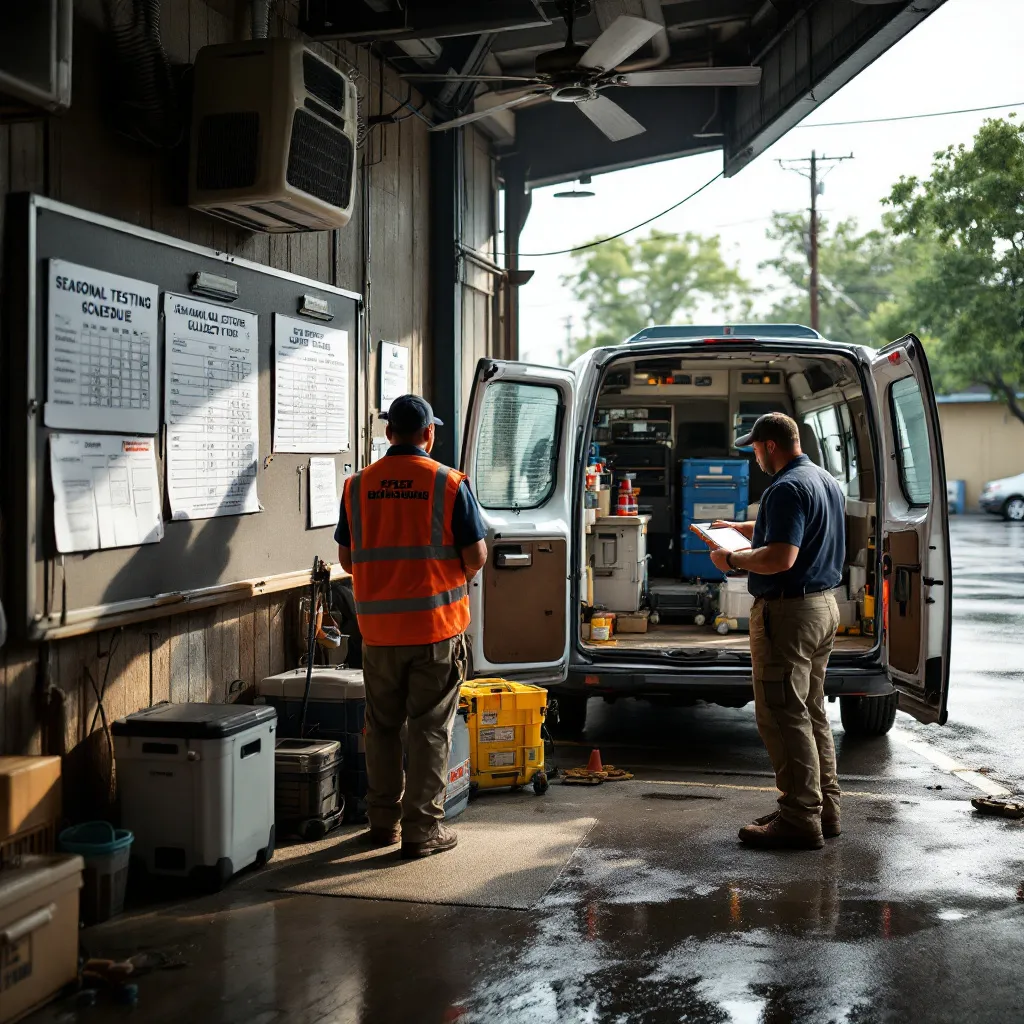
Each DOT agency publishes minimum annual random testing rates for drugs and alcohol. Employers must calculate their rates, implement ongoing lists of eligible employees, and test according to the required percentages. In practice, this means tracking your covered workforce carefully and ensuring notifications go out as soon as an individual is selected. Documentation is critical: keep selection logs, test completion records, chain-of-custody forms, and notices of results. Houston employers should also ensure their testing locations and collectors follow DOT protocols, including proper specimen integrity procedures and timely laboratory confirmation. Consistent recordkeeping reduces liability and demonstrates a proactive safety culture.
Preparing Drivers and Training Supervisors
Effective compliance is part policy and part people. Drivers need clear, accessible information about what to expect during a random test and the consequences of refusing a test or testing positive. Supervisors should be trained to recognize reasonable suspicion signs and to follow strict procedures for initiating tests. In Houston, on-site briefings and written materials in orientation packets reinforce expectations and protect employers during disciplinary actions. Communicating openly about safety goals and the rationale for testing helps maintain morale and promotes voluntary compliance among drivers.
Common Pitfalls and Practical Tips
Small administrative errors can create big compliance headaches. Common pitfalls include failing to update the eligible employee pool, not documenting selection dates, and using unapproved collection sites. Practical tips include partnering with a local clinic that understands DOT protocols, conducting periodic internal audits of your testing program, and keeping clear, centralized records. For employers who manage multiple worksites around the Houston region, standardizing procedures and using a single managed service provider reduces variability and improves traceability when incidents occur.
Record Retention and What to Expect During an Audit
DOT requires specific retention periods for different types of records, and an audit typically examines whether testing was conducted according to published selection rates and procedures. You should be prepared to produce records for random selections, negative and positive test results, and documentation of follow-up actions for employees returning to safety-sensitive duties. Having a consistent partnership with a certified collection site and medical review officer streamlines responses to inquiries and helps ensure that your program meets both federal rules and practical safety objectives in Houston.
FAQ
Q: Who must participate in DOT random testing?
A: Any employee performing safety-sensitive functions under DOT jurisdiction must be included in the random pool. This typically includes CDL drivers and other designated positions depending on the agency. Employers should review job duties carefully to determine coverage.
Q: How are employees notified when they are selected for random testing?
A: Notification procedures vary by employer but should be prompt and documented. Many companies use phone calls, written notices, or electronic alerts. The key is to ensure the employee presents for testing immediately as specified by DOT regulations.
Q: What happens if an employee refuses a random test?
A: Refusal to submit to required testing is treated as a positive result under DOT rules. Employers must follow their established policies, which generally include removing the employee from safety-sensitive duties and beginning the return-to-duty process if applicable.
Q: Can employers set higher random testing rates than required?
A: Yes, employers may choose to conduct testing at higher frequencies. If you opt for this, ensure your documentation reflects the policy and that selection methods remain random and defensible.
Ready to ensure your Houston operation meets DOT requirements?
If you need practical, local support to design or manage your random testing program, I encourage employers to contact experienced providers who can tailor a compliant plan and manage the details for you. For scheduling, coordination, and reliable collection services in Houston, our clinic can help streamline the process and reduce administrative burden—reach out to discuss next steps and schedule a program review: DOT Drug Testing. DOT Drug Testing is an essential part of maintaining a safe commercial fleet, and getting expert help makes compliance straightforward.
Texas DOT Physicals
11811 East Fwy # 230, Houston, TX 77013, United States
Phone: +1 (877) 792-5546