



DOT Return to Work Drug Testing Procedures in Houston Texas
As a local DOT physical and commercial driver health expert in Houston, I talk every day with people navigating post-incident evaluations and return-to-duty steps, and one topic that always comes up is DOT Drug Testing. The federal regulations and Houston-specific practices can feel overwhelming at first, but with clear guidance drivers and employers can move through the process with confidence. In this article I’ll walk you through the return-to-work drug testing procedures, explain roles and rights, and offer practical tips from years of clinic-based experience.
DOT Drug Testing: What Houston Drivers Should Know
When an incident or a reasonable suspicion event triggers testing, the Department of Transportation framework defines specific timelines, specimen types, and result-handling procedures. As a clinician who performs DOT physicals and coordinates testing referrals, I emphasize accuracy and chain-of-custody protocols to protect both the driver and the employer. The initial positive or verified non-negative result is not the end of the story; there are confirmatory tests, medical review officer (MRO) communications, and potential treatment pathways that influence when and how a driver can return to service.
How the Return-to-Work Process Typically Progresses
In Houston, the return-to-work sequence generally begins after an employer places an employee out of safety-sensitive duties following a positive, refused, or otherwise disqualifying test. The driver may be referred to a qualified substance abuse professional (SAP) for evaluation. The SAP’s role is to assess, recommend education or treatment if necessary, and then administer a follow-up testing plan. I’ve guided many drivers through SAP evaluations and the subsequent supervised testing regimen that demonstrates recovery and compliance before a final fit-for-duty determination is made.
Collection, Confirmation, and the Role of the MRO
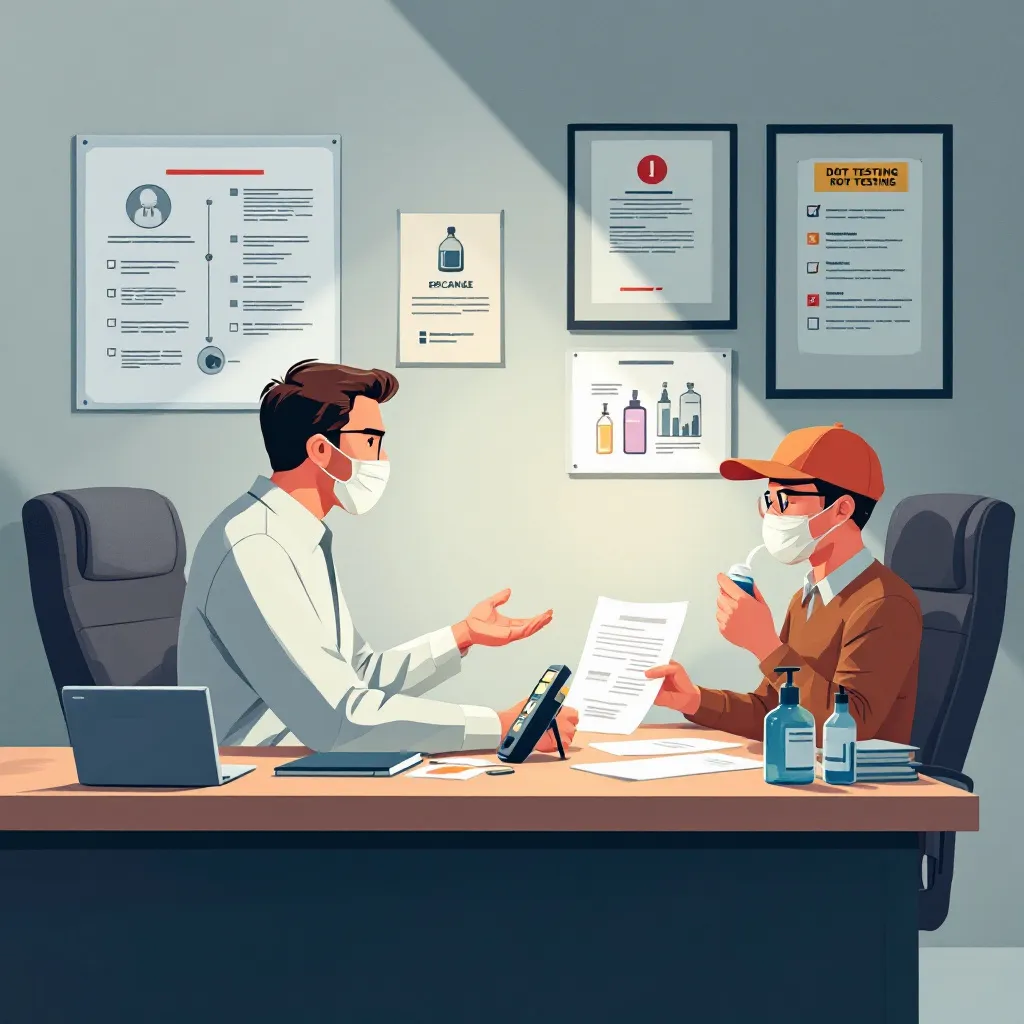
Specimen collection in DOT testing follows strict chain-of-custody rules. Whether urine or hair testing is indicated, collectors in Houston clinics are trained to document every step and protect the integrity of the sample. If an initial screen is non-negative, a confirmatory laboratory test is done. The MRO then reviews the laboratory documentation, interviews the driver if needed, and issues the official verified result. Understanding this flow helps drivers know where to expect communication and preserves rights such as contesting results or providing prescriptions for review.
Employer Responsibilities and For-the-Record Documentation
Employers carry obligations to maintain a safe workplace while following DOT regulations. That means promptly removing drivers from safety-sensitive functions when appropriate, arranging testing through certified channels, and retaining documentation per federal retention schedules. From my perspective at the clinic, clear communication from the employer about the next steps — SAP referral, timelines, and return-to-duty expectations — streamlines the process and reduces misunderstandings that can delay a qualified driver’s return.
Employee Rights and Practical Tips in Houston
Drivers should know they have the right to an MRO review, the right to contest laboratory findings, and the right to privacy during treatment and testing. Practical tips I share with patients include keeping a copy of all test reports, following SAP recommendations closely, and staying in contact with their employer and treatment providers. Local resources and certified clinics that understand DOT procedures can make a meaningful difference in how quickly a compliant return-to-work plan is implemented.
How Local Clinics Support Compliance and Safety
Clinics in Houston that specialize in commercial driver health offer coordinated services: DOT physicals, specimen collections, SAP referrals, and documentation support. When I coordinate care, I focus on record accuracy and timely communication with employers’ designated representatives. For straightforward logistics like scheduling follow-up tests or confirming MRO communications, working with a single trusted clinic reduces delays and helps drivers maintain continuity in their remediation and testing plans. If you need assistance with scheduling or understanding testing windows, a specialized clinic can walk you through each step.
Frequently Asked Questions
Q: What happens after a confirmed positive DOT test? A: The employer must remove the driver from safety-sensitive duties, and the driver is referred to a SAP for evaluation and a recommended course of treatment or education.
Q: Can I challenge a DOT test result? A: Yes. Drivers can request an MRO review, provide medical records or prescriptions, and follow laboratory procedures for retesting or additional specimen analysis.
Q: How long does the SAP process take? A: The timeline varies based on the evaluation, recommended treatment, and the completion of follow-up testing. Engagement with recommended services and adherence to testing schedules generally shortens the process.
Q: Are follow-up tests supervised? A: Yes. Return-to-duty and follow-up tests under DOT rules are typically directly observed or conducted under procedures that maintain chain of custody to ensure validity.
Q: Where can I find reliable local testing? A: Use clinics that specialize in commercial driver health and DOT procedures; they provide the documentation and chain-of-custody protocols required for official results.
For drivers and employers who want clear direction through return-to-duty testing and compliance, local expertise matters. If you’re in Houston and need an experienced partner to manage DOT testing logistics or SAP coordination, our clinic team can help. We arrange DOT-compliant collections, provide clear documentation, and help interpret MRO communications so you know what to expect at each stage.
If you’re ready to schedule an evaluation, need help understanding a verified result, or want assistance with a SAP referral, contact our office for personalized guidance on DOT return-to-work testing and compliance. For trusted local DOT services and ongoing support, reach out today at our clinic — and remember that accurate testing and clear documentation are the keys to a safe, compliant return.
Texas DOT Physicals
11811 East Fwy # 230, Houston, TX 77013, United States
Phone: +1 (877) 792-5546