


Preparing for DOT Drug Testing Inspections in Houston Texas
As a Houston-based DOT physical and commercial driver health expert, I’ve guided hundreds of drivers and employers through the inspection process, and one topic comes up more than any other: DOT Drug Testing. The phrase alone can make a seasoned driver pause, but with clear preparation and an understanding of local expectations, inspections become manageable rather than intimidating. In this article I’ll walk you through practical steps, common pitfalls, and local tips specific to Houston that will help you approach a DOT inspection with confidence.
Why DOT Drug Testing matters for Houston drivers
DOT Drug Testing is more than compliance paperwork; it’s a safety standard designed to protect drivers, the public, and employers. In Houston, where long hauls, hot weather, and complex traffic patterns are the norm, ensuring a drug-free workforce reduces risks on crowded freeways and during complex maneuvers in port and industrial areas. Employers who understand the rationale behind testing programs tend to implement clearer policies and training, and drivers who are informed tend to maintain cleaner records and better on-the-road focus.
What inspectors look for during an inspection
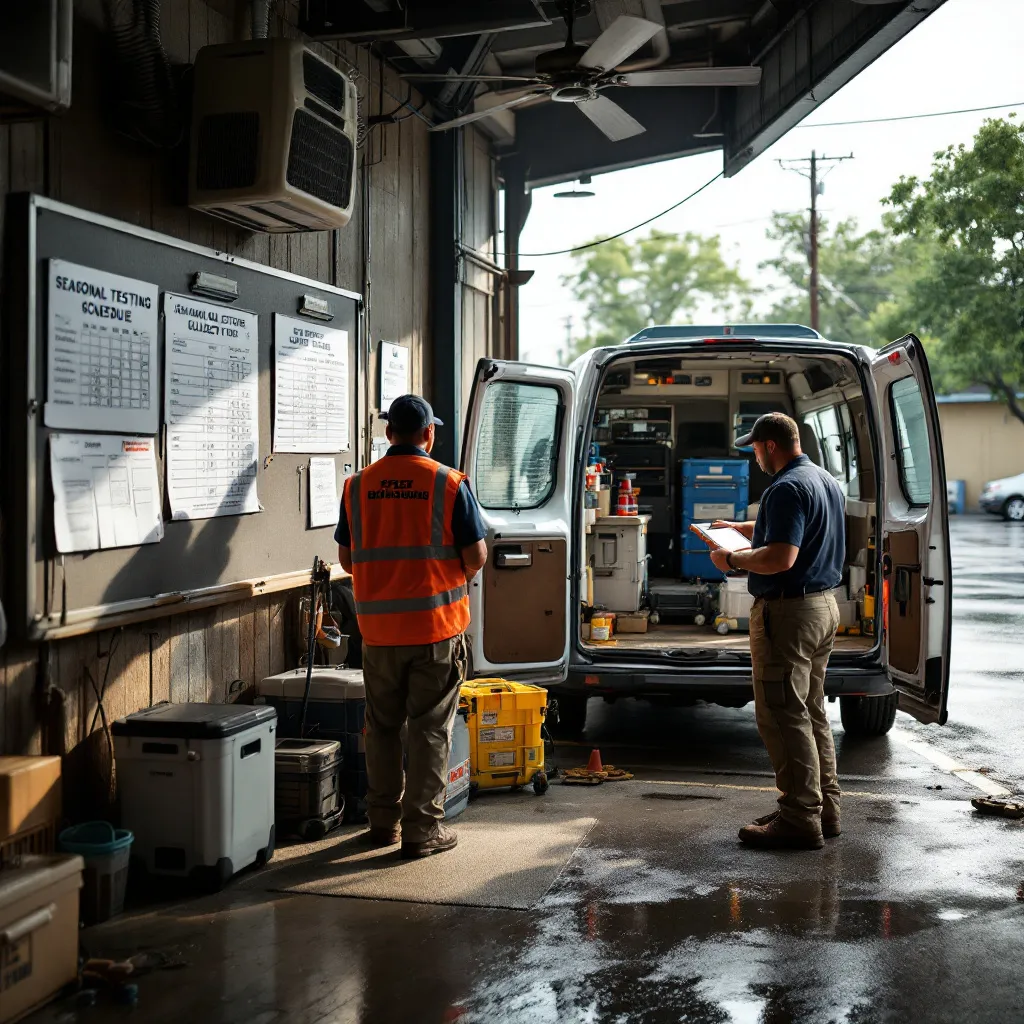
During a DOT inspection the reviewer will focus on documentation, chain-of-custody procedures, and whether employers are following their own written policies. Expect checks on your drug and alcohol policy, consortium or SAP records if applicable, files showing random selection procedures, and documentation that supervisors have been trained to spot impairment. For drivers, inspectors will verify that you participated in required testing programs, completed any follow-up testing if mandated, and that your Medical Review Officer (MRO) communications were handled properly. Keeping tidy, accessible files makes this portion straightforward.
Preparing documents and records the right way
Organization is the single most effective thing you can do before an inspection. Create a consistent folder structure so that a reviewer can find testing logs, negative and confirmed positive results, DOT-required notifications, and proof of return-to-duty steps without searching. Employers should have a written testing policy that reflects current federal regulations and shows evidence of periodic training. Drivers should carry any personal documentation that might be relevant, such as letters from an MRO or SAP, and ensure information is current with their employer’s designated representative.
Managing the testing process and results
From collections to reporting, the chain of custody must be unbroken. Collection sites must follow DOT protocols for specimen handling, and employers should verify that their vendors are DOT-qualified. If an initial result is non-negative, the MRO will manage confirmation and communication; employers and drivers must understand timelines and confidentiality rules. In Houston, where testing partners may be shared across companies, it’s wise to document which facilities you use and maintain clear communication channels so there’s no ambiguity during an inspection.
How employers and drivers can reduce inspection stress
Preparation reduces stress. Employers should schedule periodic internal audits, train supervisors to recognize impairment, and ensure random testing pools are managed transparently. Drivers should stay informed about the substances screened, disclose legitimate prescriptions to an MRO promptly, and maintain up-to-date contact information with their employer’s testing coordinator. If you need resources, local clinics and testing providers in Houston can offer guidance on maintaining compliant programs and arranging timely services like pre-employment screening and random testing enrollment.
Local considerations specific to Houston
Houston’s climate, industry mix, and traffic volumes create unique challenges for drivers. Heat can complicate specimen storage and transport, so verify that your collection sites adhere to temperature controls and DOT guidelines. Port and petrochemical area operations often require additional site-specific safety briefings; ensure any testing program accounts for shift work and on-site constraints. Engaging a trusted local testing partner helps streamline scheduling and can reduce delays that otherwise cause rushed or incomplete documentation during inspections.
How to select and work with testing partners
Choosing a reliable testing partner is critical. Look for providers who understand federal DOT regulations, who can demonstrate secure chain-of-custody procedures, and who offer clear reporting processes so employers and drivers receive timely notifications. Working with a local provider that knows Houston’s logistical nuances can prevent common hiccups, such as late sample transport or confusion about specimen handling. If you need a starting point to ask the right questions of a vendor, prioritize credentials and evidence of consistent DOT-compliant practices.
Common myths and misconceptions
There are myths that can trip people up—things like the idea that random testing is rare or that certain over-the-counter medications are always safe. Reality is nuanced: random testing is an ongoing obligation for many employers, and some OTC medications or supplements can produce unexpected results. Always consult with your MRO before assuming a substance is permissible. Clearing up these misconceptions early prevents surprises during inspections and helps drivers maintain clean records.
FAQ: Frequently asked questions about DOT Drug Testing
Q: What triggers a DOT drug test?
A: DOT tests can be triggered by random selection, reasonable suspicion, post-accident reviews, pre-employment screening, or follow-up after a return-to-duty. Employers should document the basis for testing and follow DOT procedures for each type.
Q: Can I be tested for prescription medications?
A: Yes. Prescription medications are not automatically disqualifying, but you should disclose them to the MRO and provide legitimate documentation so the MRO can make an informed determination about safety and compliance.
Q: How long should I retain testing records?
A: Retention times vary by record type, but employers typically keep certain drug and alcohol program records for several years. Regular audits help ensure retention meets regulatory expectations and inspection readiness.
Q: What if I receive a confirmed positive?
A: A confirmed positive will involve the MRO and possibly a Substance Abuse Professional (SAP). Follow-up, treatment, and a documented return-to-duty process are required before you can resume safety-sensitive duties.
Ready to simplify inspection readiness and protect your team
If you want practical, Houston-focused support to stay inspection-ready, start by contacting a trusted local provider to discuss scheduling and policy review. Whether you’re an employer organizing records or a driver wanting clarity on next steps, we can guide you through the DOT testing landscape and help you avoid common missteps. To arrange testing or get personalized advice, schedule DOT Drug Testing with a local specialist who understands Houston operations and timelines. Staying proactive keeps you compliant and keeps your drivers—and everyone on Houston roads—safer.
Texas DOT Physicals
11811 East Fwy # 230, Houston, TX 77013, United States
Phone: +1 (877) 792-5546