
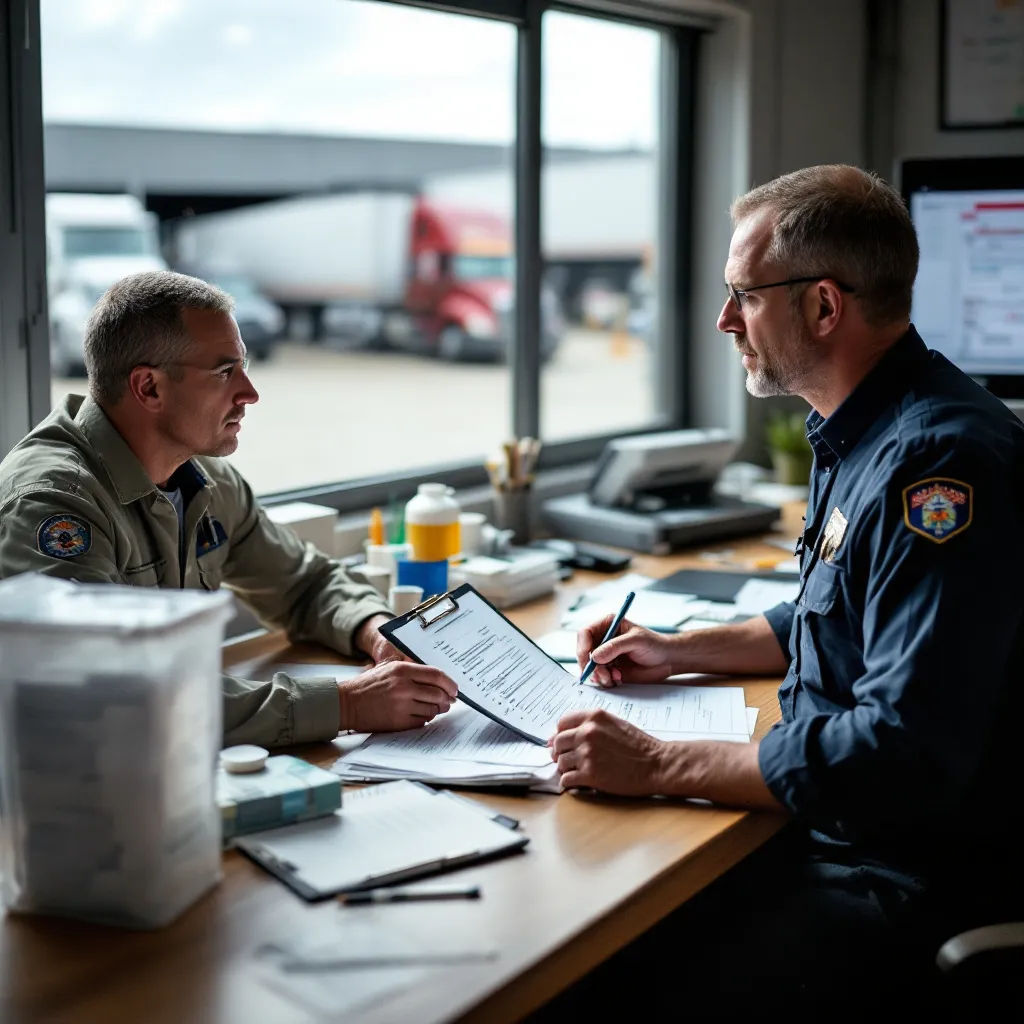
What To Expect During DOT Drug Testing Inspections in Houston Texas
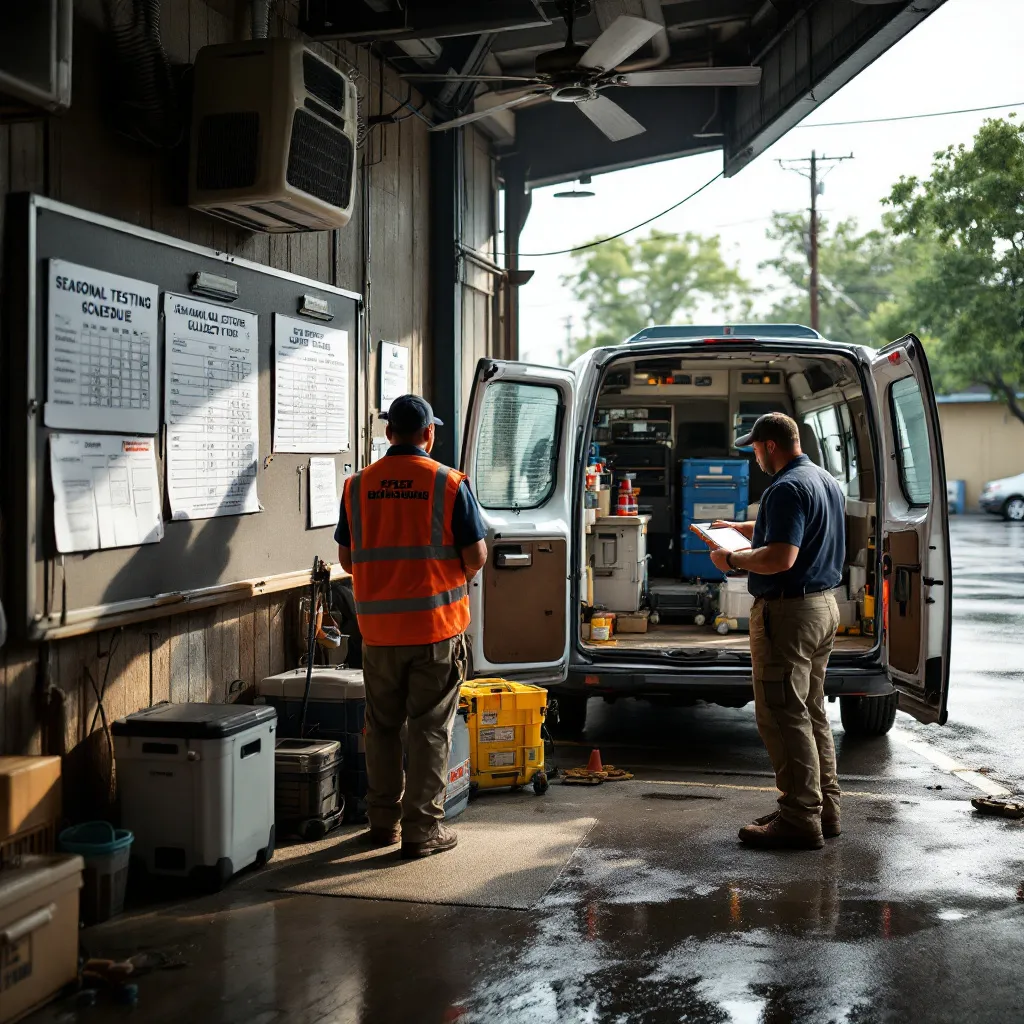
As someone who has managed DOT compliance and helped countless commercial drivers in Houston prepare for federal reviews, I know the nervous energy that comes with inspection day. Understanding the rules, the paperwork, and the practical flow of collection can turn uncertainty into confidence. If you want a straightforward starting point, begin with a clear grasp of how DOT Drug Testing inspections are organized and what inspectors look for when they visit your yard or request documents.
DOT Drug Testing Inspections: What Inspectors Focus On
Inspectors have a checklist driven by federal regulations and agency expectations. They’ll review company policies to confirm your written drug and alcohol program matches what you do in practice. They will look at training records for supervisors authorized to make reasonable suspicion referrals, verify that your random testing pool is being managed correctly, and inspect your chain of custody forms and collection site logs. As a local expert, I emphasize that consistency between your policy language and employee-facing procedures is the single most common area for improvement.
How Records and Documentation Are Reviewed
During an inspection the documentation review is both detailed and practical. Inspectors expect to see signed consents, completed chain of custody forms, Medical Review Officer (MRO) reports when applicable, and a log of random selection dates and results. They will check that you maintain employee notification records for random selections and that refusals or mishandled tests are documented with follow-up actions. In Houston, where driver turnover and subcontracting can be high, keeping a clean, organized file for each driver saves time and reduces exposure during an inspection.
Collection Procedures and the Role of the Collection Site
The physical collection process matters. Inspectors will probe whether collections were done at approved sites, whether collectors followed required identification and observation rules, and whether specimens were handled in line with the chain of custody. If you work with third-party providers, make sure they supply complete documentation and that their collectors are trained to DOT standards. If you haven’t yet picked a dependable provider, consider verified local options that specialize in federal requirements and can support your program during an audit. A trusted provider makes demonstrating compliance much easier, and partnering with a compliant lab and collection team helps avoid procedural red flags such as incomplete forms or improper specimen handling. For many employers here, using a local, experienced provider is the difference between a routine review and a drawn-out corrective action plan; it’s wise to confirm your vendor’s experience with DOT Drug Testing cases.
Common Deficiencies Inspectors Find and How to Avoid Them
Frequent findings include missing signatures, inconsistent supervisor training, expired collector certifications, and gaps in chain of custody records. Another common issue is failing to document corrective actions after a confirmed positive or refusal. My practical advice is to run periodic internal audits that mirror an inspector’s approach: pull a handful of driver files at random and verify each required document exists and is current. Train one staff member to act as the compliance coordinator so inspections have a single point of contact and a clear paper trail. In Houston’s busy logistics environment, this role prevents small documentation lapses from becoming costly compliance problems.
Responding During and After an Inspection
When an inspector arrives, be cooperative and proactive. Provide the requested records promptly and offer a brief overview of your program’s key processes. If the inspector identifies corrective actions, document your agreed timeline for addressing each item and follow up in writing. After the visit, treat the report as a roadmap: implement changes, retrain staff where needed, and retain a record of completed corrections. Timely response demonstrates commitment to safety, which inspectors take into account when assessing overall compliance.
Frequently Asked Questions
Q: What triggers a DOT Drug Testing inspection? A: Inspections may be routine, result from a complaint, or follow a significant incident. Agencies also conduct targeted audits based on risk factors they identify.
Q: How long should I keep testing records? A: Maintain most drug and alcohol testing records for at least two years, and some records related to drug testing policies and programs for up to five years, depending on the specific documentation and federal guidance.
Q: Can a driver be tested at the workplace? A: Yes—collections can occur at workplace collection sites if the site meets DOT requirements and maintains proper privacy and procedural standards.
Q: What is the role of the Medical Review Officer? A: The MRO reviews test results, verifies legitimate medical explanations for certain findings, and communicates confirmed positives to the employer following DOT procedures.
Ready to Protect Your Drivers and Fleet
If you want to reduce anxiety around audits and ensure your program is inspection-ready, start with a focused review of policies, supervisor training, and collector/vendor documentation. We help Houston fleets and drivers get practical, on-the-ground support for federal compliance and can walk you through paperwork and best practices. To take the next step toward consistent compliance and safety, schedule a local consultation for DOT Drug Testing and let us help you prepare thoroughly.
Texas DOT Physicals
11811 East Fwy # 230, Houston, TX 77013, United States
Phone: +1 (877) 792-5546