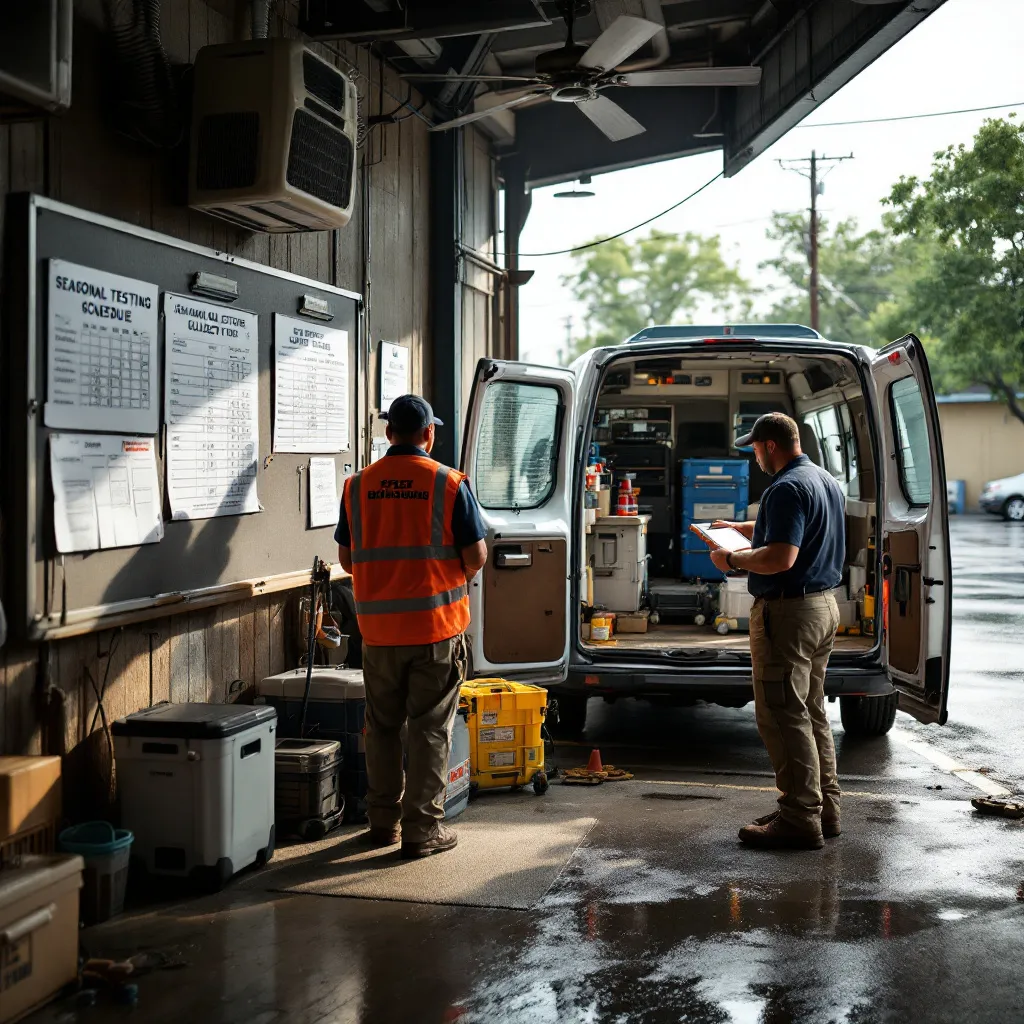



Why DOT Drug Testing Is Important For Houston Texas Fleets
As a local DOT physical and commercial driver health expert in Houston, I see firsthand how a strong testing program protects drivers, companies, and our city’s roadways. For many Houston fleets, DOT Drug Testing is not just a regulatory checkbox — it’s a cornerstone of safety, reliability, and trust between employers and drivers. In this article I’ll explain why it matters, how it works, and what practical steps Houston operators can take to keep drivers healthy and fleets compliant.
Why DOT Drug Testing Matters for Houston Fleets
The nature of commercial driving in Houston — with heavy freight traffic, busy port operations, and long hauls across Texas and beyond — raises the stakes for safety and compliance. DOT Drug Testing helps identify impairments that can lead to catastrophic accidents, costly downtime, and lasting damage to a company’s reputation. Beyond legal compliance, testing programs demonstrate that an employer is committed to protecting drivers, other road users, and the community. A robust testing protocol creates predictability: it reduces the likelihood of on-road incidents, supports driver wellness programs, and underpins safer hiring and retention practices.
Understanding the Different Types of DOT Drug Testing
DOT-regulated testing includes pre-employment screenings, random tests, post-accident testing, and reasonable-suspicion evaluations. Each type serves a specific purpose: pre-employment checks help screen candidates before they operate vehicles, random testing acts as a deterrent to substance misuse, and post-accident tests can clarify whether impairment played a role in a crash. Reasonable-suspicion testing, when supervisors observe behavior or signs consistent with impairment, provides an important safety safeguard. Together, these measures ensure that drivers are fit for duty on any given day while supporting organizations in making informed staffing decisions.
In Houston, where operations can be fast-paced and high-pressure, consistent testing is an element of a culture of safety. It also aligns with the federal Drug and Alcohol Testing Regulation (49 CFR Part 40), so fleets operating regionally will meet both state and federal expectations when they implement documented policies and work with certified collection sites and Medical Review Officers (MROs).
Implementing a Practical Testing Program for Your Fleet
Creating a testing program that actually works requires more than a signed policy. Employers need clear communication, supervisor training to recognize impairment, a reliable vendor network for timely specimen collection and lab processing, and confidential procedures for handling positive results and return-to-duty evaluations. Partnering with experienced local providers ensures that collections happen quickly and that the results are processed according to DOT standards. For many Houston operators, establishing relationships with local clinics and MROs reduces turnaround time and helps address issues before they cascade into operational disruptions.
Education is another vital piece. Drivers respond better to programs that are framed around safety and support rather than punishment. Offering resources for substance-use treatment, clear guidance on how testing is conducted, and assurances about privacy build trust. Practical logistics also matter: convenient testing locations near major industrial corridors or the Port of Houston, flexible scheduling for drivers, and clean, professional collection sites make compliance easier and less disruptive to daily operations.
When you’re ready to standardize processes and streamline compliance, partnering with a trusted provider for DOT Drug Testing can simplify setup and keep your program aligned with federal requirements.
Common Concerns and How to Address Them
Fleet managers often worry about false positives, driver morale, and interruptions to service. Addressing these concerns proactively helps programs succeed. Using certified laboratories, following strict chain-of-custody protocols, and involving a qualified MRO for review all reduce errors and protect drivers’ rights. Transparent communication about the purpose of testing and the processes involved eases anxiety. For morale, emphasize that testing exists to protect drivers’ lives and livelihoods; for interruptions, plan contingencies such as backup drivers or staggered testing to avoid service gaps.
FAQ
Q: What substances are included in DOT Drug Testing?
A: DOT panels typically test for substances such as marijuana, cocaine, opiates, amphetamines, and phencyclidine (PCP). The specific panel is defined by DOT standards, and labs follow strict procedures to ensure accuracy. If a test is non-negative, the specimen is reviewed by an MRO who contacts the employee and verifies any legitimate medical explanations.
Q: How often can drivers be tested under DOT rules?
A: Drivers can be tested at several points: before employment, randomly throughout employment, after certain accidents, and when there is reasonable suspicion. Random testing is unannounced and the selection process must be scientifically valid. Employers must follow the frequency and procedures outlined in DOT regulations.
Q: What happens after a positive DOT test?
A: When a confirmed positive result is reported, the MRO communicates findings to the employer. The driver may be removed from safety-sensitive duties and referred to a Substance Abuse Professional (SAP) for evaluation and a recommended treatment plan. Return-to-duty requires a documented process including follow-up testing and compliance with the SAP’s recommendations.
For Houston fleet operators who want to reduce risk and strengthen compliance, having a clear, compassionate, and well-documented testing program is essential. If your team needs help designing or managing a DOT testing program, reach out to local professionals who understand the unique demands of Houston operations and can provide reliable, timely service. Contact our office to learn how tailored solutions can keep your drivers safe and your fleet moving forward with confidence. For assistance with implementing or refining your program, schedule DOT services through our dedicated testing team: DOT Drug Testing. Protect your fleet and your drivers with an experienced local partner dedicated to compliance and safety.
Texas DOT Physicals
11811 East Fwy # 230, Houston, TX 77013, United States
Phone: +1 (877) 792-5546