


Why DOT Drug Testing in Houston Texas Matters for Safety
As a local DOT physical and commercial driver health expert in Houston, I see firsthand how clear policies and regular testing protect drivers, passengers, and the public. When fleets and individual drivers understand the standards, they can operate with confidence. That’s why DOT Drug Testing is such an essential part of our road safety culture here in Harris County and throughout the greater Houston area.
Why DOT Drug Testing is Critical for Houston Drivers
Driving in Houston means navigating heavy traffic, long routes, and tight delivery schedules. Commercial motor vehicle operators shoulder more responsibility than many realize: the decisions made behind the wheel affect dozens of other people every day. DOT drug testing is designed to identify impairment risks before they lead to incidents. It supports a preventive approach that emphasizes safety, trust, and compliance with federal regulations.
What the Testing Process Looks Like
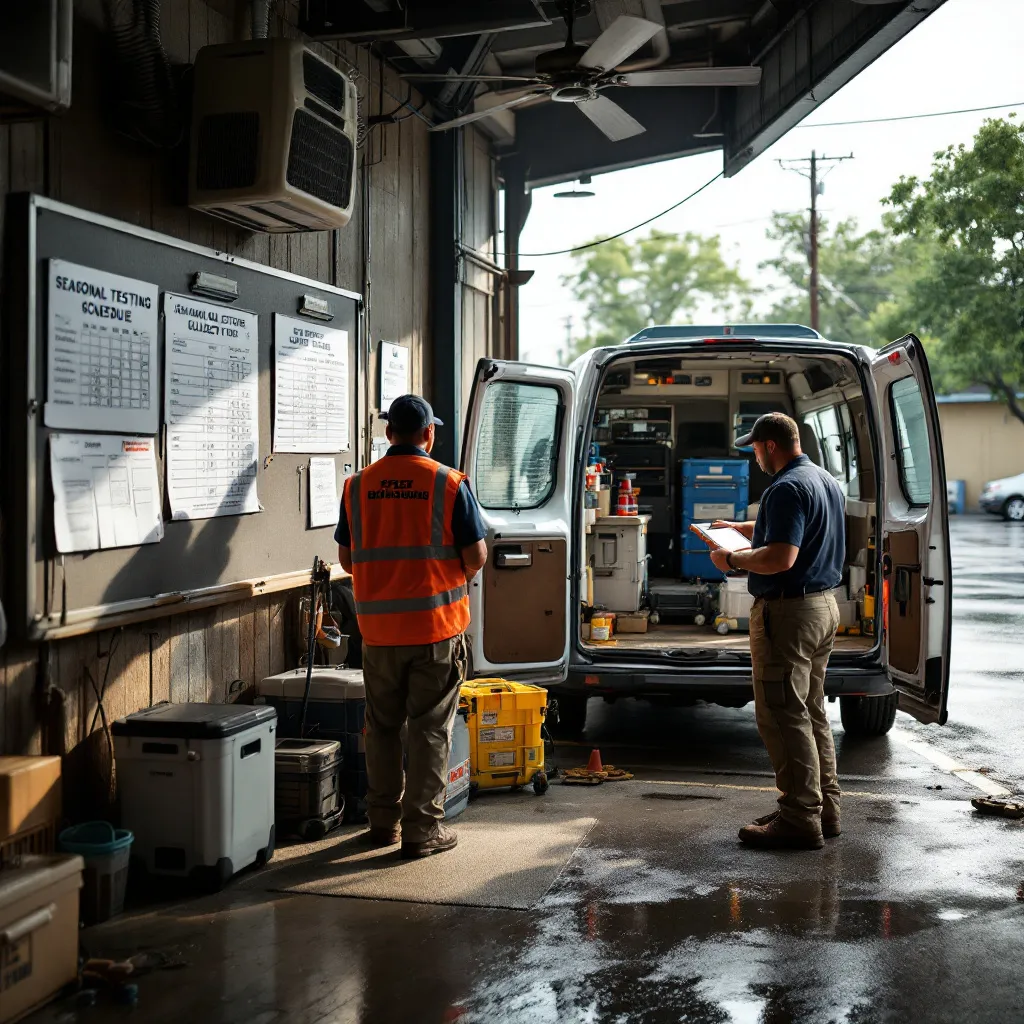
From my experience conducting pre-employment, random, post-accident, and reasonable suspicion tests, the process is straightforward when handled by trained professionals. Technicians follow strict collection procedures to maintain chain-of-custody and sample integrity. Results are reported through approved channels and, when necessary, a medical review officer interprets positives to distinguish between prescribed medication use and illicit substances. Keeping this process transparent helps drivers feel respected and employers maintain safe operations.
Common Concerns and Misconceptions
Many drivers worry that testing is invasive or that a legitimate prescription will automatically disqualify them. In reality, the protocol protects privacy and accommodates lawful medical treatment. A certified medical review officer will verify prescriptions and medical explanations, ensuring fair outcomes. Education about what substances are tested, detection windows, and how to disclose medications properly reduces anxiety and fosters cooperation.
How Testing Improves Fleet Safety and Reputation
For companies based in Houston, maintaining a rigorous testing program strengthens safety records and reduces liability. Consistent testing discourages substance misuse and encourages employees to seek help when needed. It also signals to customers and partners that safety is a priority. In my role advising local carriers, I’ve seen fleets with proactive testing protocols enjoy fewer incidents, lower turnover, and a culture of accountability that benefits everyone on the road.
Practical Steps for Drivers and Employers
Drivers should keep clear documentation of prescriptions, talk openly with their employer or medical review officer, and follow company policies. Employers should provide training, clear notifications about testing schedules, and access to confidential assistance programs. When organizations work together with trusted testing providers, the process is efficient and supportive, not punitive. If you’re looking for a dependable local partner for testing, consider the expertise available through DOT Drug Testing to help implement or refine your program.
FAQ
Q: What substances are included in DOT testing?
A: DOT panels typically include alcohol, marijuana, cocaine, amphetamines (including methamphetamine), opiates, and PCP. Some programs may add other tests as required by regulation or employer policy. A medical review officer can explain specifics for your situation.
Q: Can a prescription cause a positive DOT test?
A: Prescriptions can trigger a positive result, but they are reviewed by a medical review officer. If the medication is legally prescribed and properly documented, the MRO will record the result as a legitimate therapeutic use rather than a violation. Always disclose your prescriptions during the testing process.
Q: How often are drivers tested?
A: Frequency depends on the testing category—pre-employment, random, post-accident, reasonable suspicion, return-to-duty, and follow-up testing each have different schedules. Random testing is particularly important because it is unannounced and can occur throughout the year, providing a consistent deterrent.
Q: What should an employer do after a positive test?
A: Employers should follow DOT protocols, which include involving a medical review officer, documenting findings, and providing employees with information about rehabilitation programs when applicable. Maintaining confidentiality and following regulatory steps helps ensure fairness and legal compliance.
In Houston, safety on our roads is a community effort. Whether you’re a driver preparing for a new job, a fleet manager tightening policies, or a safety director updating procedures, clear information and professional support make a difference. To take the next step and ensure your program meets federal standards while protecting your team, reach out to local experts who understand the unique demands of Texas roads. Learn more about reliable testing and how it can fit into your safety plan by contacting DOT Drug Testing and discussing your needs with experienced professionals.
Texas DOT Physicals
11811 East Fwy # 230, Houston, TX 77013, United States
Phone: +1 (877) 792-5546