

DOT Drug Testing Inspection Requirements in Houston Texas
As a Houston-based DOT physical and driver health expert, I often start conversations about workplace safety and compliance by emphasizing the importance of DOT Drug Testing. Drivers and employers in the region face inspections that can be stressful without the right preparation, and understanding the inspection requirements helps protect careers and businesses. In this article I’ll walk through the practical steps, local expectations, and common questions I see every day, with guidance tailored to Houston’s commercial driving community.
DOT Drug Testing Requirements in Houston
The federal Department of Transportation sets the baseline for drug and alcohol testing, but Houston employers must also navigate local implementation and logistics. At a minimum, testing programs cover pre-employment screening, post-accident testing, reasonable suspicion, return-to-duty, and random testing. Employers are responsible for maintaining a consistent program that meets 49 CFR Part 40 standards, ensuring collectors are qualified, and that testing is documented correctly. Staying current with these regulations reduces the risk of failed audits and protects public safety on Houston roadways.
How inspections are conducted and what officials look for
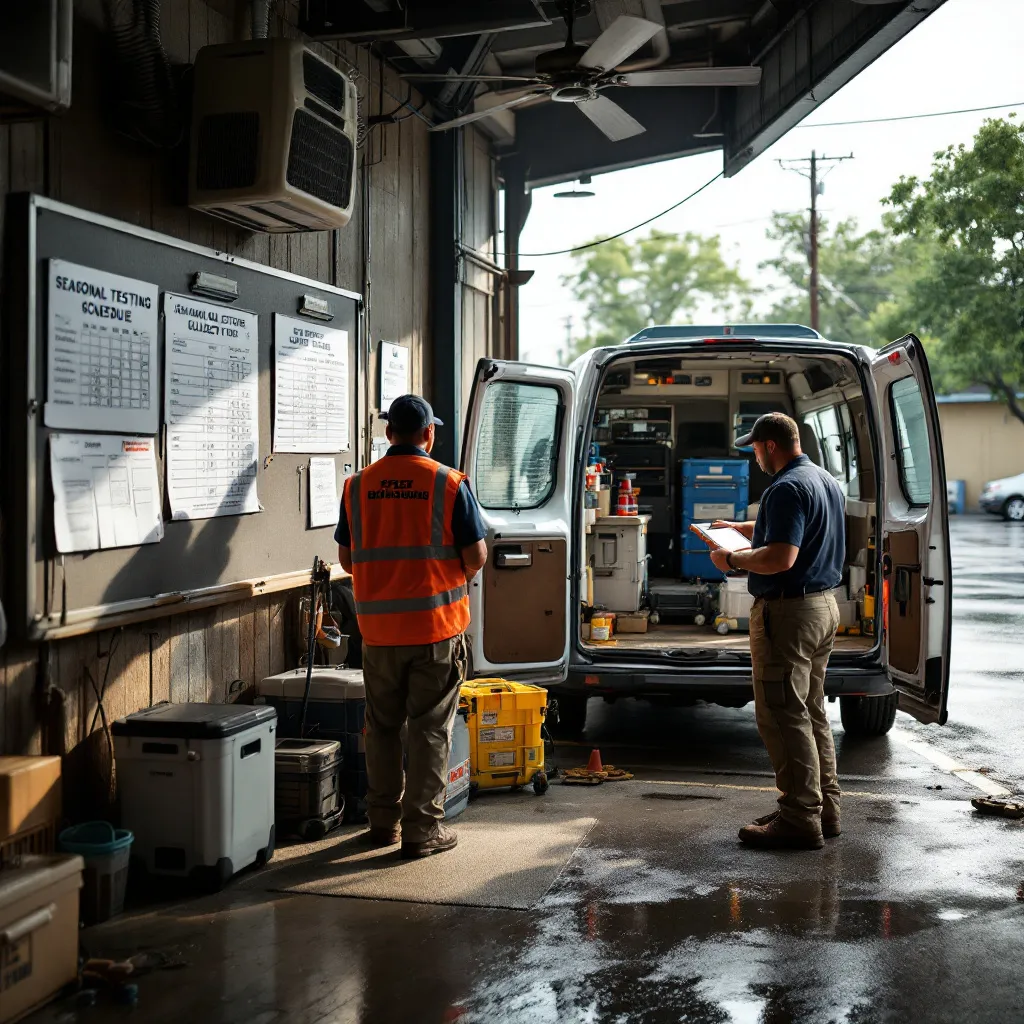
During a DOT inspection, auditors verify records, observe testing procedures, and may review chain-of-custody forms. They look for clear policies, properly trained supervisors who can identify reasonable suspicion, and evidence that random testing pools are mixed and unpredictable. Collectors must follow strict procedures to avoid contamination, and employers need to keep results and medical review officer (MRO) documentation on file. Practical preparation — like ensuring drivers know where testing occurs and that record retention schedules are followed — often makes the difference between a routine check and a compliance issue.
What drivers should expect during a testing event
For most drivers the testing process is straightforward, but nerves are common. A certified collector will explain each step, verify identification, and collect specimens according to federal standards. Privacy and dignity are protected throughout the process, and results are sent to the MRO for interpretation. If any questions arise about prescription medications or medical conditions, having documentation and honest communication with the MRO and employer prevents misunderstandings. For local drivers, it’s wise to keep prescriptions and medical letters accessible and to communicate proactively with occupational health providers.
Employer responsibilities and recordkeeping
Employers must maintain careful records and ensure their supervisors are trained to spot and document reasonable suspicion. This includes written policies, clear procedures for post-accident testing, and a roster for random testing selection. When an auditor reviews files they expect chain-of-custody forms, confirmation of MRO reviews, and evidence that any positive tests followed the correct return-to-duty protocols. Regularly auditing your own program and consulting with local DOT testing experts can help catch weak points before an official inspection arrives.
Preparing your team and staying compliant
Education and practice calm the stress of an inspection. Routine training sessions, clear communication, and mock demonstrations of the testing process build confidence for drivers and supervisors. If you need testing services or policy consultation, working with trusted local providers ensures tests are performed to federal standards and documented properly. Our center routinely supports employers and drivers with on-site guidance and clear explanation of results so teams in Houston can stay operational with minimal disruption. We also provide resources to answer questions quickly during an inspection or when planning a compliance review.
Common pitfalls to avoid
Too often, employers lose trust during an inspection because of missing documentation, inconsistent application of policies, or inadequate training. Avoid ad hoc procedures that deviate from written policies, and ensure vendors and collectors are certified under federal rules. When random pools are not updated or supervisors are not trained, the program becomes vulnerable. Attention to detail — from proper urine specimen handling to timely MRO communication — is what keeps programs robust under scrutiny.
Mid-article practical resource
If you’re organizing a testing plan or preparing for an inspection, consider scheduling testing with local specialists who understand Houston logistics and employer needs. For many of our clients, a reliable local partner simplifies the process and provides documentation in the format auditors expect. Learn more about our recommended testing procedures and how to coordinate testing for fleets through trusted services like DOT Drug Testing, which streamline collection and reporting.
Frequently Asked Questions
What triggers a DOT drug test?
Tests are triggered by specific events: pre-employment, random selection, reasonable suspicion, post-accident, and follow-up testing after a violation. Each scenario has its own timeline and documentation requirements, and supervisors should be trained to identify and document behavior that may justify reasonable suspicion testing.
How long do employers keep DOT testing records?
Record retention varies by document type, but many DOT testing records must be kept for at least one to five years depending on the form. Employers should maintain a secure, organized system for filing these documents and be ready to present them during an inspection.
Can a driver refuse testing?
Refusal to submit to testing when required by DOT rules is treated as a violation and carries serious consequences, including removal from safety-sensitive duties. Drivers should discuss any concerns with their employer or an MRO before refusing, and employers should ensure drivers understand the implications.
What happens if a test is positive?
A positive result is reviewed by an MRO who may determine if a legitimate medical explanation exists. Confirmed positives follow strict return-to-duty procedures, which include evaluation and follow-up testing. Employers must follow federal protocols to ensure safety and compliance.
When you need local, reliable guidance to navigate DOT inspections and testing, reach out to experienced professionals who understand Houston’s regulations and road realities. For straightforward, compliant testing and help preparing your team, contact us to arrange screening and consultation. We make it easy to meet federal requirements and protect your drivers with clear, compassionate service; schedule your DOT Drug Testing with confidence today.
Texas DOT Physicals
11811 East Fwy # 230, Houston, TX 77013, United States
Phone: +1 (877) 792-5546