


Maintaining DOT Drug Testing Programs for Houston Fleets Texas
As a local DOT physical and commercial driver health expert in Houston, I know that maintaining clear policies and practical workflows around DOT Drug Testing is a top concern for fleet managers and drivers alike. The topic can feel technical, but I’ll walk you through what matters most for compliance, driver safety, and operational continuity in the Houston, TX market. My goal is to give you a usable roadmap grounded in local realities so you can keep drivers on the road and your records solid.
DOT Drug Testing Requirements in Texas
Federal and state regulations set the baseline for drug and alcohol testing for safety-sensitive transportation workers. In Texas this means following FMCSA guidance while ensuring your program addresses pre-employment, random, post-accident, reasonable suspicion, return-to-duty, and follow-up testing. As a fleet manager, you should be familiar with the types of testing required and the proper documentation, including drug testing consents, chain-of-custody forms, and visual confirmation steps for breath or urine specimens. Properly administered testing protects drivers, the public, and your business reputation.
Designing a Practical Program for Houston Fleets
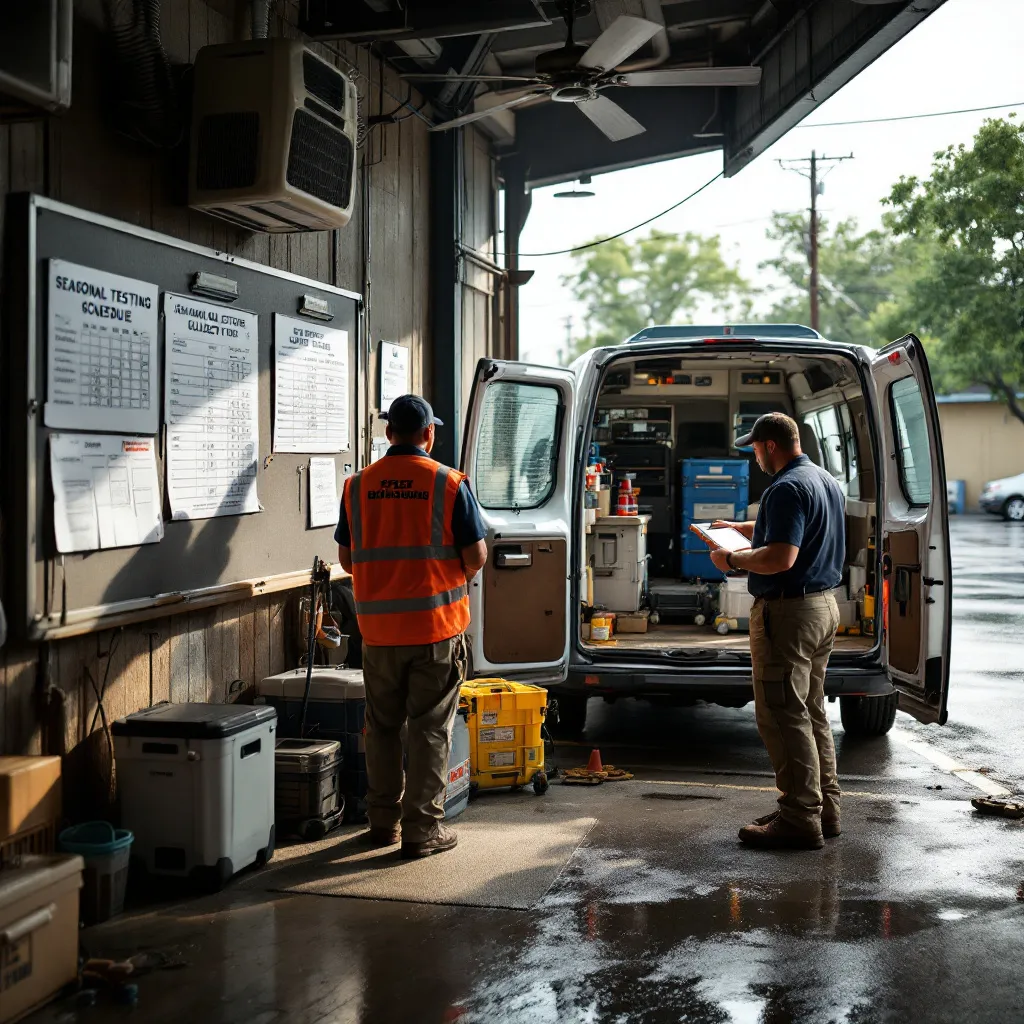
Creating an effective program starts with clear policies communicated in driver orientation and ongoing training. Policies should explain what triggers testing, how random selections are made, and the consequences of a confirmed positive result. A practical approach includes setting a schedule for random testing that meets federal minimums, establishing designated testing locations or mobile providers, and ensuring supervisors are trained to recognize signs of impairment. When everyone understands the process ahead of time, it reduces confusion during stressful incidents and supports a culture of safety.
Testing Logistics and Working with Local Providers
Logistics are where most programs succeed or falter. Reliable access to testing facilities, timely specimen transport, and straightforward communication of results are essential. For Houston fleets, partnering with a local provider who understands regional workflows and traffic patterns can reduce downtime for drivers. If you need to set up testing quickly or want a trusted partner for ongoing management, our preferred local resource is available for consultation: DOT Drug Testing. That single point of contact for scheduling and results management often saves valuable hours and prevents administrative errors.
Recordkeeping, Privacy, and Compliance Documentation
Maintaining thorough records is not just bureaucracy — it’s your proof of compliance during audits or inspections. Keep organized files for employee consent forms, test results, return-to-duty agreements, and documentation of random selection procedures. Privacy matters: store medical information securely and limit access to those who need it for compliance or safety reasons. In Texas, record retention timelines vary by document type, so establish a retention policy that meets federal and state requirements to avoid costly penalties and to demonstrate due diligence.
Supervisory Training and Recognizing Impairment
Supervisors play a pivotal role in reasonable suspicion testing. Train them to identify behavioral and physical signs of impairment without making medical diagnoses. Clear checklists and documented observations help to establish reasonable suspicion when testing is necessary. When supervisors act promptly and follow written procedures, the program maintains credibility and protects employees’ rights while prioritizing public safety.
FAQ
Q: What types of tests are included in DOT drug testing programs? A: DOT drug testing programs generally include urine drug tests for substances mandated by federal regulations and breath alcohol tests when required. Programs cover pre-employment, random, post-accident, reasonable suspicion, return-to-duty, and follow-up testing.
Q: How often must random tests be conducted? A: Random testing rates are set by federal agencies and can change; employers must follow current FMCSA rates. Many fleets schedule regular monthly or quarterly draws to ensure required annualized percentages are met.
Q: Can a driver be tested at any time? A: Drivers in safety-sensitive positions can be subject to testing under the program triggers. Reasonable suspicion and post-accident testing may occur during or after a shift, and random testing can be performed without advance notice.
Q: What happens after a positive test? A: A confirmed positive test requires removal from safety-sensitive duties and referral to a Substance Abuse Professional (SAP) for evaluation and a return-to-duty plan. Employers should follow federal rules carefully and document each step.
Q: How do I handle record retention and confidentiality? A: Keep records organized and secure, following federal retention schedules for different document types. Limit access to sensitive medical and testing information to personnel responsible for compliance and safety.
Ready to Maintain Compliance?
If you manage a Houston fleet, hands-on support can make compliance manageable instead of burdensome. I recommend setting up a simple action plan: formalize your written policy, schedule supervisor training, and secure a dependable local testing partner to handle logistics and reporting. For dependable assistance in setting up or auditing your program and arranging local appointments, reach out to our trusted provider: DOT Drug Testing. Implementing thoughtful procedures now protects your drivers and your company from unnecessary risk.
Texas DOT Physicals
11811 East Fwy # 230, Houston, TX 77013, United States
Phone: +1 (877) 792-5546