


DOT Drug Testing Trends in Houston Texas for Fleets
As a local DOT physical and driver health expert in Houston, I often talk with fleet managers about evolving safety practices and why consistent testing matters. In this piece I’ll walk through what I’m seeing on the ground, how federal guidelines intersect with our local realities, and practical ways fleets can remain compliant. Right away it’s worth noting the central role of DOT Drug Testing in maintaining safe operations across Houston’s congested corridors and busy port terminals.
DOT Drug Testing requirements for Houston fleets
Understanding the regulations is the first step. Federally mandated testing covers pre-employment, random, post-accident, reasonable suspicion, return-to-duty, and follow-up evaluations. In Houston, that framework sits alongside a unique operational environment: long haul runs to and from the Port of Houston, dense urban traffic, and tight delivery windows. These conditions make it essential for carriers to design programs that are both compliant and practical, balancing legal obligations with the realities of driver schedules.
Trends I’m seeing in testing practices
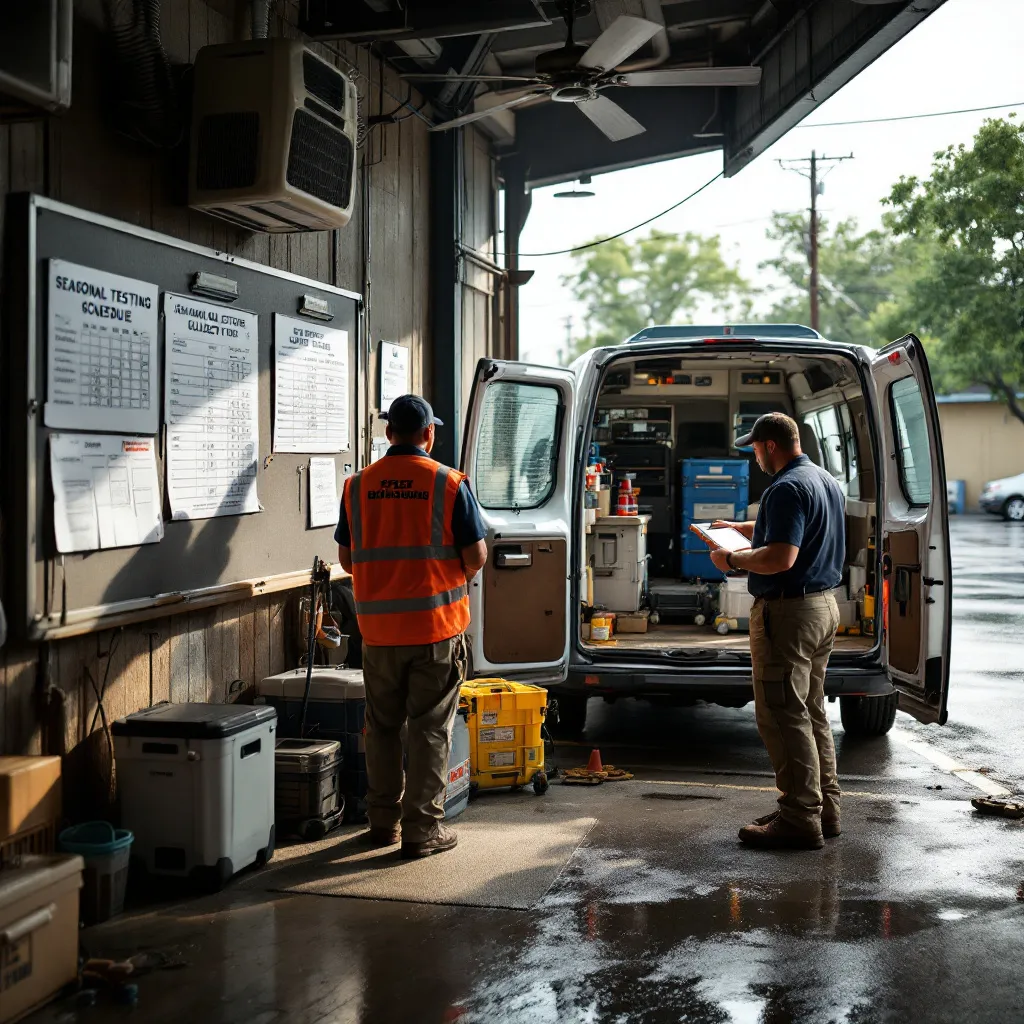
Over the past few years, there has been a noticeable shift toward more structured random testing programs and improved documentation. Fleets are investing in digital tracking of test results and schedules to reduce gaps in compliance. Another trend is proactive education: drivers who understand the why behind testing are less likely to make choices that jeopardize safety. In Houston specifically, carriers that coordinate with local collection sites and mobile services find it easier to meet timing requirements without pulling drivers off route for long periods.
Integrating testing with fleet safety culture
Testing is most effective when it’s part of a broader safety culture rather than an isolated procedure. That means clear policies, regular training, and consistent follow-through when issues arise. Supervisors must be trained to identify signs of impairment and to initiate the correct testing protocols. When testing is normalized as an element of driver health and public safety, it becomes less adversarial and more protective—a shift I encourage across Houston’s trucking community.
Logistics and coordination for Houston operations
Coordinating tests around delivery windows is a frequent challenge. I advise fleets to establish a network of reliable collection facilities and to communicate testing expectations clearly at hiring and during safety meetings. For companies operating out of the greater Houston area, partnering with a local provider that understands both DOT standards and the city’s traffic patterns can reduce downtime and administrative burden. If you’re evaluating options, consider how easily a provider integrates with your driver schedules and recordkeeping systems; that practical alignment is what keeps programs running smoothly.
How technology is shaping compliance
Digital recordkeeping, automated reminders, and mobile testing options have reduced missed tests and improved audit readiness. Fleets that adopt these tools often find quicker turnaround on results and fewer administrative errors. Technology also supports transparency: drivers can better access their own records, and safety managers can generate reports quickly when regulators come calling. When technology is paired with clear policy and training, the whole program becomes more defensible and efficient.
Mid-article note about local resources
For Houston fleets looking to tighten their programs, tapping a partner who knows local testing logistics can be a game changer. A clinic familiar with area collection sites and DOT procedures helps ensure that testing is done correctly and that records are maintained to federal standards. If you need a straightforward, local resource for implementing or refining a testing program, consider connecting with a trusted provider such as DOT Drug Testing to streamline the process.
Preparing for audits and inspections
Audits are stressful if records are scattered or incomplete. The best preparation is routine: consistent testing according to schedule, documented supervisor training, and clearly filed results. When irregularities appear, address them immediately and transparently. From my experience in Houston, the carriers who weather inspections with the least friction are those who have treated compliance as continuous work rather than an occasional scramble.
FAQ
Q: What tests are required under DOT rules? A: DOT mandates urine testing for certain substances and outlines procedures for pre-employment, random, post-accident, reasonable suspicion, return-to-duty, and follow-up testing.
Q: How often must random testing occur? A: Random testing rates are set by federal regulation and vary by drug and calendar year; employers must ensure selection is truly random and documented.
Q: Can a driver be removed from duty after a non-negative test? A: Procedures require that a confirmed positive result be handled according to DOT rules, which typically include removing the driver from safety-sensitive duties and referring them to a qualified professional for evaluation.
Q: How do Houston-specific factors affect testing? A: Long routes, traffic delays, and port schedules can complicate collection logistics. Planning, local partnerships, and mobile collection services help mitigate these challenges.
Q: What records should a fleet keep? A: Maintain documented testing results, chain-of-custody forms, training records for supervisors, and any communications related to testing decisions. Organized records simplify audits and investigations.
Q: Who can I call for help implementing a program? A: Seek a local clinic or DOT testing provider experienced with commercial drivers and federal procedures to help design a compliant workflow.
Keeping drivers, the public, and your business safe requires a deliberate and sustained effort. If you’re ready to align your fleet’s practices with current expectations and local realities, I’m here to help. Reach out for guidance tailored to Houston’s unique environment and let us help you build a testing strategy that supports both safety and operational efficiency. Connect with our local team to review your program and next steps: DOT Drug Testing. We’ll work through scheduling, recordkeeping, and driver education so your fleet stays compliant and your drivers stay healthy.
Texas DOT Physicals
11811 East Fwy # 230, Houston, TX 77013, United States
Phone: +1 (877) 792-5546